Terence Crawford’s welterweight unification path and mandatory rules
Terence Crawford faces complex mandatory defense requirements from the WBC following his ninth-round stoppage victory over Errol Spence Jr. The expiration of the rematch clause and new weight management rules shape his future path at welterweight.

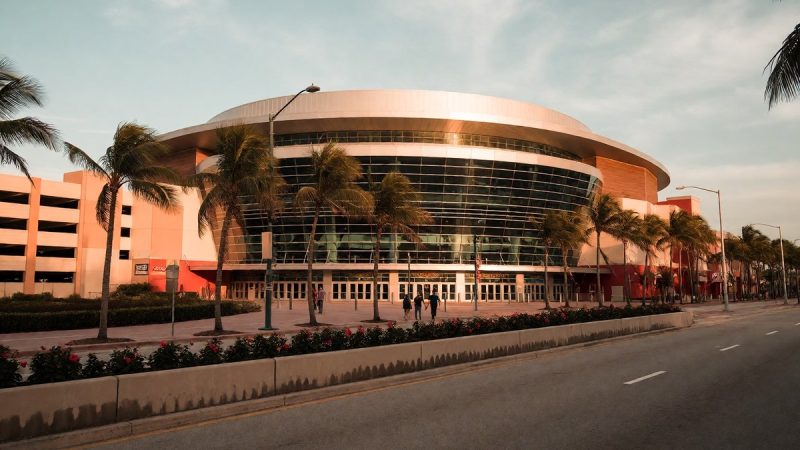
The expiration of the contractual rematch clause between Errol Spence Jr. and Terence Crawford leaves the welterweight division without an immediate return bout. Crawford won the undisputed welterweight championship on July 29 via a ninth-round stoppage at the T-Mobile Arena. He knocked Spence down three times during the contest, which ended when the referee intervened to prevent further damage. Crawford improved his professional record to 40-0 with 31 knockouts following that victory. You already know that Spence’s trainer, Derrick James, sought a rematch at the 154-pound limit. Because the 30-day window to press the "re-do button" passed without a signed contract, the opportunity for an immediate follow-up vanished. The fight in Las Vegas saw Crawford use a snapping southpaw jab to dismantle Spence, who struggled to adjust his aggressive approach. The encounter lacked the homicidal savagery seen in historic four-king era clashes. The victory earns Crawford recognition as the pound-for-pound best fighter in boxing.
Mandatory rules and weight limits
The World Boxing Council enforces strict defense requirements for all titleholders. Rule 3.5 dictates that champions must fulfill at least one mandatory defense per year unless the organization grants an exception. This obligation becomes complex for fighters like Crawford, who holds titles across multiple weight classes. The WBC coordinates with the WBO, IBF, and WBA to manage mandatory status for unified champions through a process designed to create a common mandatory contender that provides a higher level of opposition with proven talent. This system aims to allow unified champions more activity rather than forcing them to fight the mandatories of every separate organization.
| Rule Identifier | Requirement Detail |
|---|---|
| Rule 3.5 | One mandatory defense per year |
| Rule 4.14 | 14-day limit: 5% above division limit |
| Rule 4.14 | 7-day limit: 3% above division limit |
| Rule 6.7 | 12-month inactivity leads to removal |
The WBC also implements rules regarding weight management to ensure fighter safety. A fighter must weigh no more than 5% above the division limit 14 days before the bout. They must also stay within 3% of the limit 7 days prior to the fight. These regulations prevent excessive weight cutting for champions pursuing unification. Inactivity also threatens rankings, as a boxer who avoids the ring for 12 months faces removal from the rankings. Fighters must also follow the Clean Boxing Program to comply with anti-doping requirements. Failure to comply with these anti-doping procedures can affect a fighter’s status and mandatory challenger privileges. Additionally, holding the number one ranking does not automatically grant a boxer mandatory challenger status under Rule 3.7.
Crawford’s looming decisions
Crawford faces pressure from various contenders while he manages his legacy. Ryan Garcia continues to call for a fight against the Omaha native. Crawford also proposed a megafight against Saul "Canelo" Alvarez. This proposed matchup would require Crawford to move up three weight divisions to compete at super middleweight. He remains the pound-for-pound king, but the mandatory landscape forces difficult decisions.
Spence suffered the first loss of his career, which dropped his record to 28-1. While Spence seeks to regain his belts at a higher weight, Crawford has expressed interest in facing different opponents. The Omaha native’s dominance at 147 pounds remains absolute, yet the sanctioning bodies’ rules regarding mandatory challengers create a constant stream of potential obstacles. One challenger, Teofimo Lopez, could become a mandatory threat if Top Rank secures a "super champion" designation for him at super lightweight. Crawford, a versatile boxer-puncher, switches between orthodox and southpaw stances with ease. He uses angles and varying attack speeds to keep opposition off-kilter, a skill that proved decisive against the aggressive Spence. Will Crawford remain at welterweight to defend his titles or chase glory at higher weights?