Scheffler’s Houston defense and the shifting PGA Tour structure
Scottie Scheffler faces physical recovery risks from a hand injury as he prepares for his 2026 Houston Open title defense. The PGA Tour's new Signature Event structure and dense scheduling further complicate competition for the world No. 1.
Physical recovery and course pressure
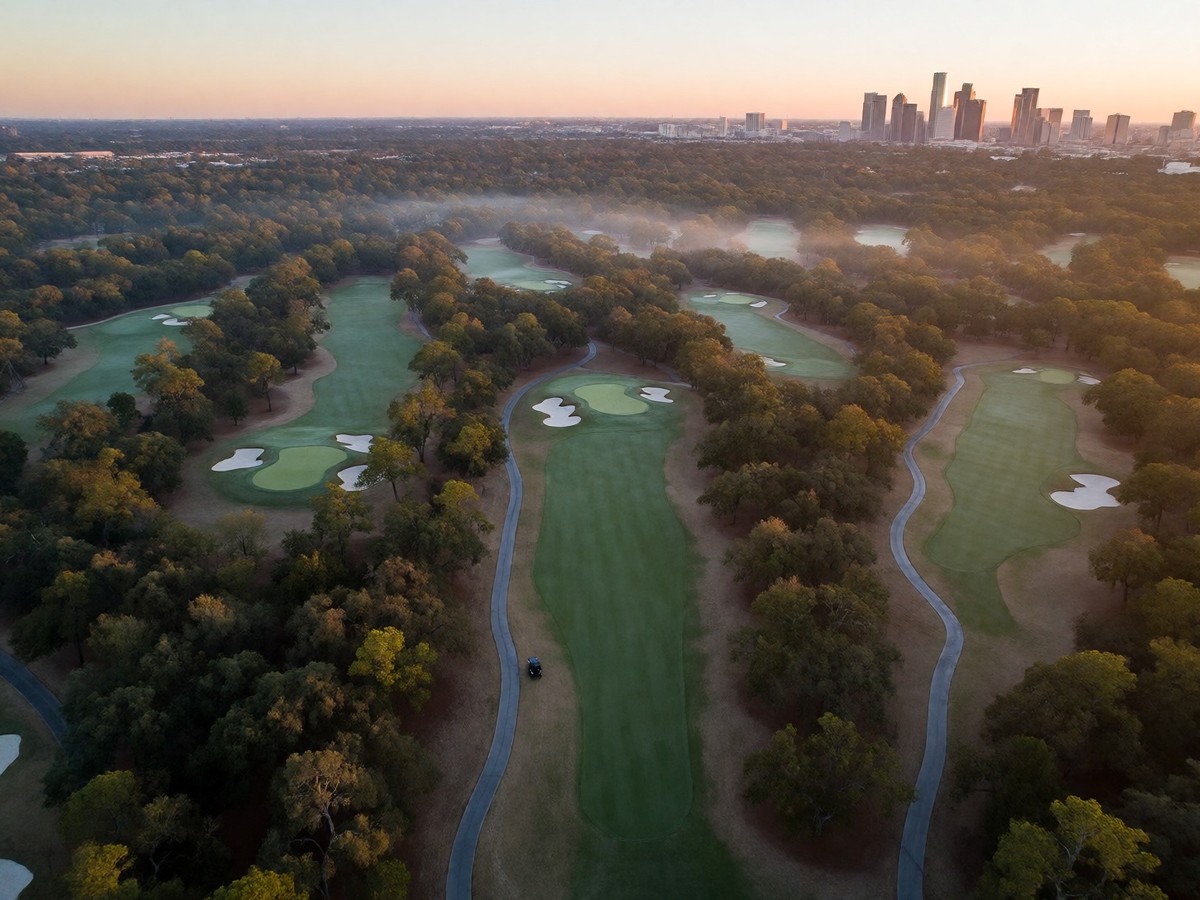
Scheffler withdrew Tuesday from the Houston Open at Memorial Park citing family reasons. He is recovering from surgery to remove glass fragments from his right palm after a Christmas Day accident while preparing ravioli. He previously shared the Memorial Park course record with a 62. His power and sharp iron play make him the favorite at the par-70, 7,475-yard layout. I view his physical recovery as the primary risk for his 2026 campaign. He told reporters in Florida that he will not rush back just to rush back. He is the 20-time winner on Tour and won seven tournaments last year, becoming the first player to reach that tally since Tiger Woods in 2007. He missed the season-opening Sentry in Hawaii because of the injury. His last official victory was at East Lake. The Memorial Park layout rewards players who combine strong ball-striking with patience on approach shots. Scheffler has never missed a weekend in five previous events at this course. He shared second in three of his last four appearances at Memorial Park and earned a T9 payday in another. He remains the world No. 1 and the defending 2024 Masters champion. His 2026 campaign included a T24 at the Arnold Palmer Invitational and a T22 at THE PLAYERS championship. I find his inability to hit balls or perform gym workouts while his hand heals to be a significant complication.
The Signature Event divide
The 2026 season includes eight Signature Events with field sizes between 70 and 80 players, many of which have no 36-hole cut to guarantee a paycheck for every participant. This structure favors certain players, such as Rickie Fowler, who received six sponsor exemptions in 2025 despite finishing 108th in the FedExCup standings. Fowler earned 319 of his 665 FedExCup points through those invites. This creates a growing gap between the elite and the journeymen who struggle for relevancy. I think the use of sponsor exemptions to keep players like Fowler in the top 50 creates a two-tier system that contradicts the meritocracy the Tour promotes. Jordan Spieth remains 48th in the FedExCup rankings because he receives sponsor invites into nearly every Signature Event. The concentration of points in these events means players like Collin Morikawa, who earned $3.6m at Pebble Beach, can distance themselves from the rest of the field with extreme ease. The Aon Next 10 and Aon Swing 5 pathways offer other ways to qualify, but they target players in form rather than the established elite. The prize money at these events is vast, with some purses reaching $20 million, which further widens the financial gap. Does the limited access to these big-money events ultimately prevent younger players from rising through the rankings?
Scheduling congestion and load management
The 2026 schedule is congested, with one six-week period featuring two majors and three Signature Events. This density forces top players to manage their workloads. Rory McIlroy skipped three Signature Events this year, including the RBC Heritage and the Memorial. Scheffler also skipped the Truist Championship. The addition of the Miami Championship to the nine-event Signature lineup increases the pressure on players. The Tour is considering making participation in all Signature Events mandatory for players to be eligible for the Tour Championship. I find the scheduling changes do not satisfy the stars or the rank-and-file players. The top 100 players from the previous season have exempt status, while players between 101 and 150 have conditional status. The field sizes for some full-field events have also dropped from 156 to 144 players. This compression means golfers who do not qualify for Signature Events must watch the elite accumulate wealth and points from the sidelines. Justin Thomas noted that players sometimes struggle to find courses that fit their game, making the dense schedule even harder to navigate.