Mendoza’s exit leaves the Mets in flux
The New York Mets fired manager Carlos Mendoza on June 26, 2026, following a 34-47 record and a last-place standing in the NL East. This roster instability coincides with Dodgers bullpen volatility and new MLB automated ball-strike challenge rules for the postseason.
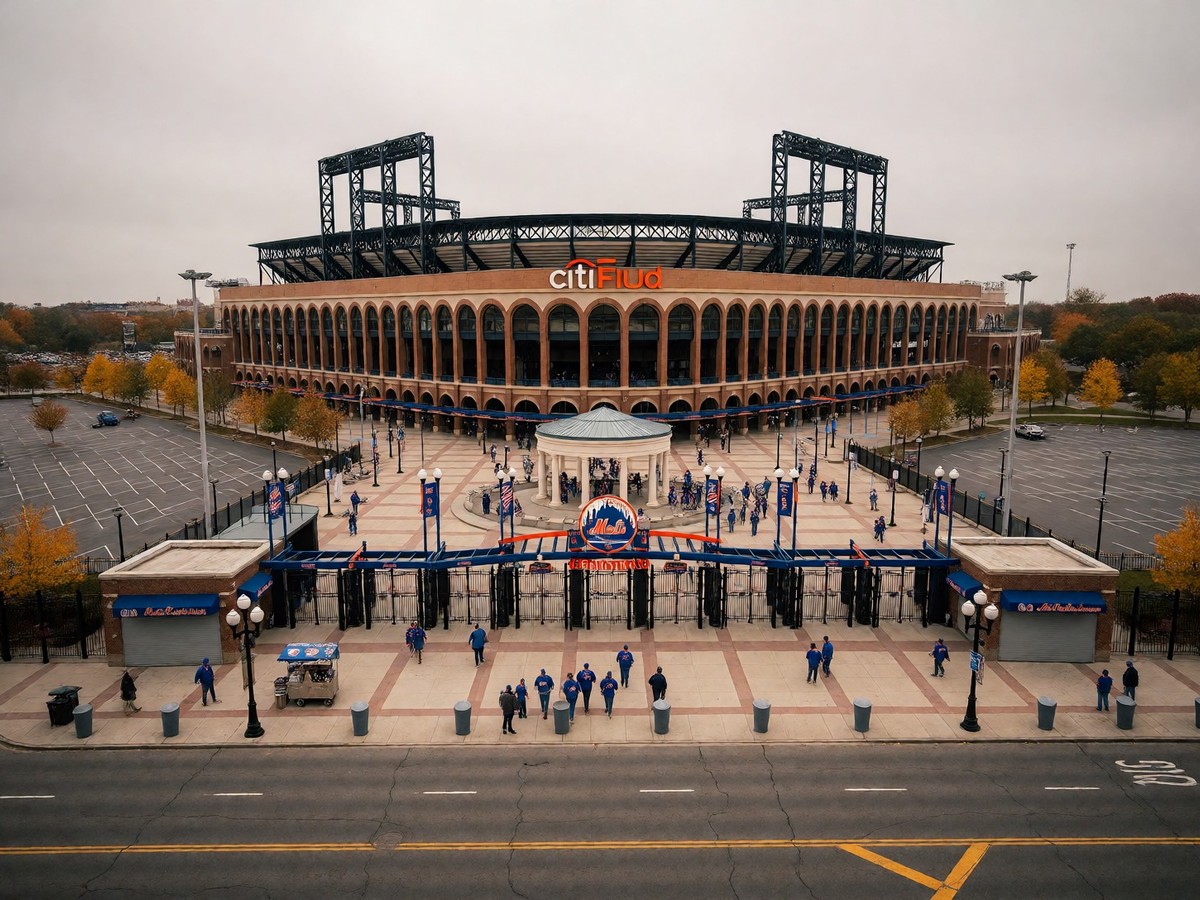
The New York Mets fired manager Carlos Mendoza on June 26, 2026, after the team posted a 34-47 record and sat in last place in the NL East. Mendoza previously guided the club to the NLCS in 2024 with an 89-73 record. The organization carries a $365 million payroll, which ranks second in the league. President of baseball operations David Stearns hired Mendoza in November 2023. The Mets offense posted a 91 wRC+ this year, which ties for the third-worst mark in the majors. The team also holds the worst position player WAR in the league at 4.5. The roster includes infielder Bo Bichette, who earns a $42 million annual salary, and reliever Edwin Diaz. Mendoza’s dismissal follows a season where the team lost nine of 12 games, including six consecutive losses. The team also experienced a nightcap debacle where the infield combined for six errors in a single game. Injuries to Francisco Lindor and Juan Soto hampered the roster, as the team went 3-16 without Soto in the lineup. Lindor missed time following surgery to remove a fractured left hamate in February and later strained his left calf on April 23. Soto strained his right calf on April 6 and missed 15 games. The rotation’s 4.82 ERA is the fourth-worst mark in the majors. This follows a 2025 season where the Mets went 83-79 and finished second in the NL East. Stearns also acquired Freddy Peralta and Jorge Polanco, but the roster remains inconsistent.
Dodgers bullpen instability threatens postseason runs
Dave Roberts faces immediate bullpen concerns after his relievers surrendered 4 runs over the final 4 innings of a 6-5 extra-inning loss to the Philadelphia Phillies. Jack Dreyer surrendered a two-run blast to Weston Wilson in the seventh inning, while Alex Vesia gave up a solo home run to Bryce Harper. Blake Treinen took his third loss in his last four outings by allowing an unearned run in the 10th inning. The Dodgers offense, which includes names like Shohei Ohtani and Freddie Freeman, struggles to produce when they face high-leverage situations, as seen in their recent scoring drought against the Diamondbacks. Roberts continues to audition relievers for high-leverage spots to see who rises to the occasion. This bullpen volatility remains the primary risk for a team that seeks its 13th straight postseason appearance. The Dodgers lead the San Diego Padres by two games in the NL West with 12 games left to play. The club went 6-7 in September and posted a 28-34 record over their past 62 games since July 4. The offense averaged only 3.2 runs per game over their last nine contests. Shohei Ohtani and Blake Snell lead a starting rotation that likely includes Yoshinobu Yamamoto and Clayton Kershaw. The Dodgers follow a 2-1 win against the Phillies from Saturday and a 4-2 loss to the Diamondbacks on Sunday. Will the current relief corps stabilize before the NLCS begins?
New ball-strike challenge rules change dugout tactics
The 2026 introduction of the automated ball-strike challenge system alters how teams manage their resources during the postseason. Each team starts every nine-inning game with two challenges. If a player successfully overturns an umpire’s call, the team keeps that challenge for later use. If the technology confirms the call, the team loses the challenge. In extra innings, a team that used both attempts receives a new challenge at the start of the tenth inning.
| ABS Challenge Specification | Rule Detail |
|---|---|
| Starting Challenges | 2 per nine-inning game |
| Successful Overturn | Team retains challenge |
| Confirmed Call | Team loses 1 challenge |
| Extra Innings Provision | New challenge at 10th |
| Eligible Callers | Pitcher, catcher, or batter |
The "Hawk-Eye" technology monitors the location of every pitch relative to the batter’s strike zone. The videoboard and home team’s television broadcast receive the replay near-instantly via a T-Mobile network. The Joint Competition Committee voted on September 23 to implement the system after testing in the Florida State League. Only the pitcher, catcher, or batter can initiate a challenge by tapping their helmet or cap. This process must happen immediately without any sign from the dugout or manager. During spring training, players overturned calls in more than 50% of attempts. Fan surveys from spring training showed 72% of respondents felt the ABS challenge system had a positive impact on their experience. You should monitor how this affects pitching rhythm in October.