Tracking the 2026 NBA rule shifts
NBA officials are increasing scrutiny on defensive three-second violations and illegal offensive screening. Veteran players like Jrue Holiday must navigate these nuances as the league implements new enforcement regarding off-arm contact and illegal contact during screens.
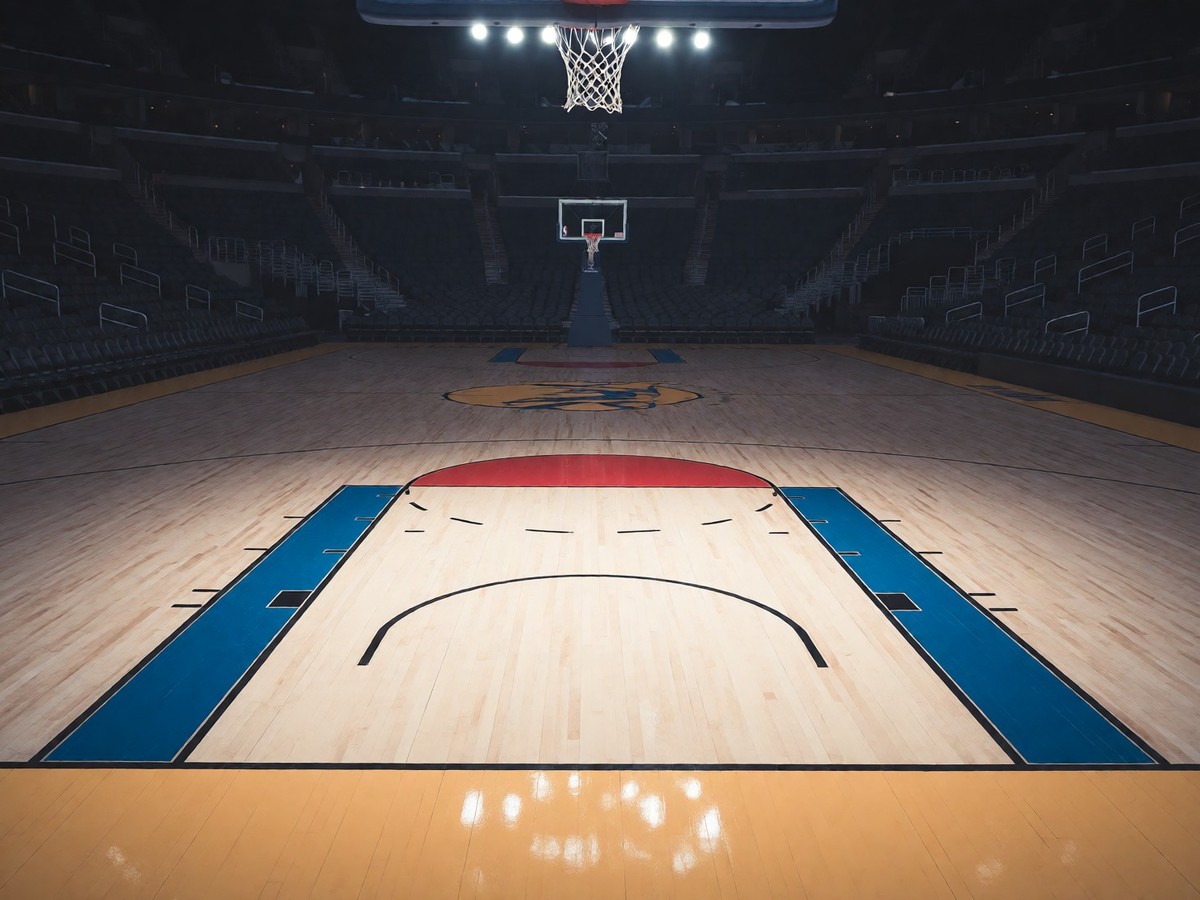
A defender in the 16 ft lane must actively guard an opponent within 3 seconds. This defensive three-second rule requires a guarding position within arm’s length, though the count suspends during a shot, loss of control, or active guarding. If a defender violates this rule, the NBA awards a technical free throw to the offense and retains possession with at least 14 seconds on the shot clock. NBA officials face additional scrutiny this year as the league instructs them to monitor illegal contact by offensive players during screens, such as shoving, and illegal contact by defenders that impedes movement through grabbing or holding.
The NBA also issued new guidance on offensive player off-arm contact using the "Four F’s" framework to determine fouls. Referees assess if a ball handler uses "force" or "full extension" to create an advantage. While a player may "feel" an opponent or "firm up" to defend their space, a straight arm bar or stiff arm constitutes an offensive foul. Scottie Barnes drew an offensive foul for pushing off within the first two minutes of a preseason game between the Toronto Raptors and Miami Heat. Officials must also watch "straight line pathway plays" where players bump opponents off their trajectory toward the basket.
Defensive nuances and veteran savvy
Defensive strategies rely on specific positioning to avoid technical penalties. A defender must maintain a guarding position to avoid the three-second violation, but the rule provides a special exemption for defenders guarding the ball handler until another defender actively guards that player or a pass occurs. Veteran players like Jrue Holiday manage these nuances to maintain defensive integrity without triggering whistles.
| Rule Type | Consequence of Violation | Condition |
|---|---|---|
| Defensive three seconds | Technical free throw and possession | Defender fails to guard within arm’s length |
| Offensive three seconds | Turnover | Attacker remains in the lane beyond 3 seconds |
| Illegal screen | Foul on offense | Screener uses a shove or push |
| Off-arm push-off | Offensive foul | Contact involves force or full extension |
The league also instructs referees to distinguish between flagrant fouls and common fouls during shot closeouts. A flagrant foul occurs when a defender does not allow landing space or makes a reckless closeout, while a regular defensive foul allows landing space but still involves contact.
Screening enforcement and officiating trends
The NBA aims to eliminate the "hand shiver" or "chuck" seen during screens. This occurs when an offensive player uses a single or double arm shove while setting, leaving, or holding a screen. In the preseason, officials saw these behaviors, including a play where Jaylen Brown shoved into the chest of Kelly Oubre Jr. to set up a jumper.
Referees must also monitor perimeter and post contact to prevent illegal grabbing. In the post, it is illegal to punch a player in the kidneys or grab them while they try to establish position. The NBA also targets players who jump in front of an offensive player to bash them off their trajectory after the defender gets beat on a straight line drive.
The enforcement of these rules often fluctuates. NBA officials sometimes enforce new points of emphasis for three weeks before slipping back into old habits. For example, when the league introduced rules to curtail transition take fouls, those fouls eventually fell off tremendously. Players often test the limits of new rules, much like they did when the NBA introduced technical fouls for flopping. Whether the current focus on off-arm contact and screening movement holds through the season remains an open question.