AFC West Standings and the New Tiebreaker
The Kansas City Chiefs pursue a division clincher as the NFL enforces a new conference record tiebreaker. This rule shifts strategic focus from raw win-loss totals to intra-conference performance, affecting rivals like the Denver Broncos and Las Vegas Raiders.
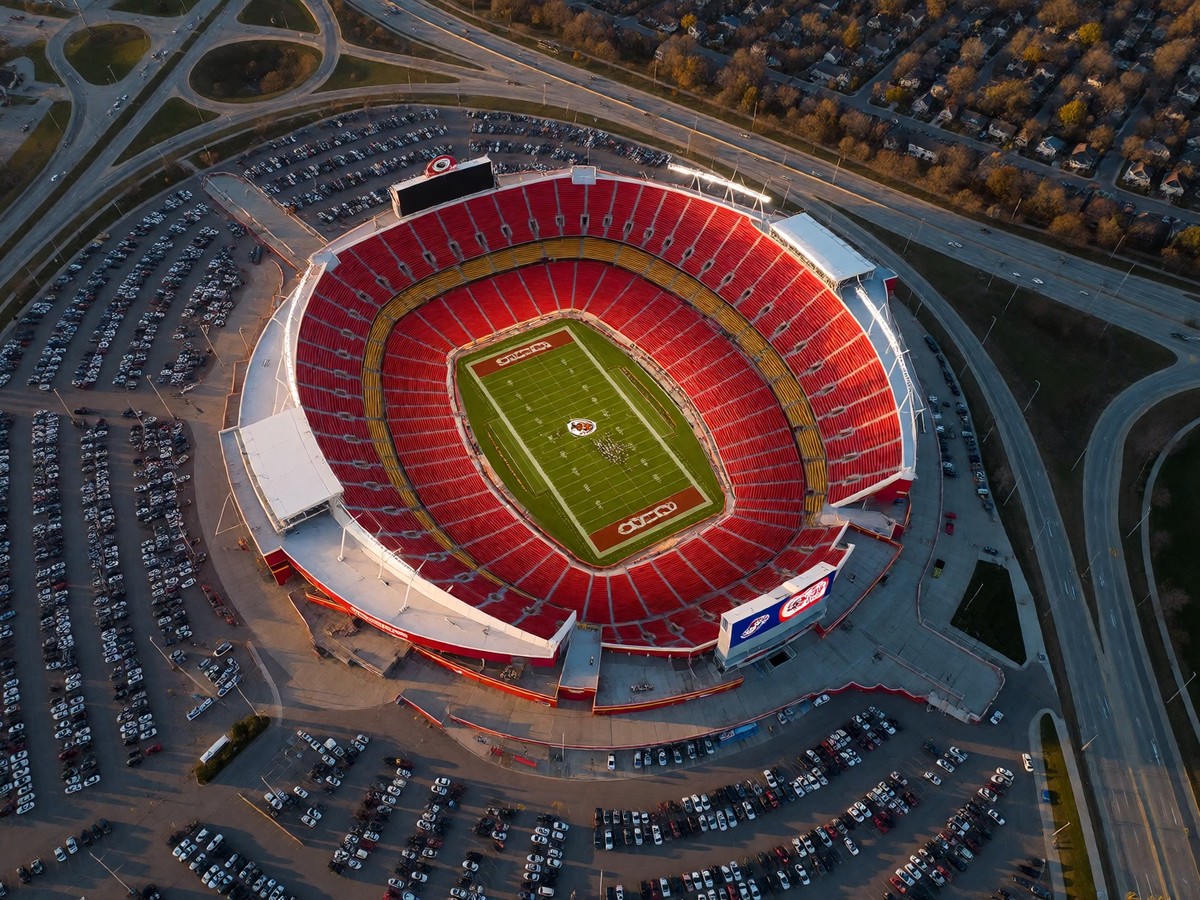
The Kansas City Chiefs are currently in a "division clincher push" for the 2026 season, with their quarterback Patrick Mahomes returning from knee surgery to lead the charge. The league’s new conference record tiebreaker enforcement has altered how teams calculate their path to the playoffs, creating a complex landscape for the four AFC West rivals: the Denver Broncos, Las Vegas Raiders, and Los Angeles Chargers. While the Chiefs aim for the division title, the other three teams must navigate a schedule where non-divisional games against the AFC East and NFC North determine critical tiebreakers. This shift means that winning close games against specific opponents now carries more weight than raw win-loss totals alone.
The NFL’s scheduling formula assigns each team eleven non-divisional games, with three based on previous standing and eight split between two other divisions. For the 2023 cycle, AFC West teams played every AFC East and NFC North opponent, but this assignment shifts annually. Under the new rules, if two teams finish with identical records, the head-to-head result is no longer the sole deciding factor; the "conference record" becomes the primary metric. This change forces teams to prioritize wins within their own conference over interconference matchups, which previously held less strategic value. The Chiefs, as the most recent AFC Super Bowl winner in 2024, face a heightened scrutiny regarding their ability to maintain dominance under these stricter criteria.
Strategic Implications for Rivals
The Denver Broncos, who lost the 2025 AFC Championship Game to the New England Patriots, must secure early wins to avoid falling into a tiebreaker scenario. The Las Vegas Raiders and Los Angeles Chargers, both products of recent relocations, lack the historical playoff pedigree of Kansas City or Denver, making the new tiebreaker rules a potential disadvantage. A team with a 10-7 record but poor performance against conference rivals could lose out to a 9-8 team with superior intra-conference results. This dynamic creates a "must-win" list that extends beyond divisional games, requiring careful management of the remaining regular-season slate.
The trade deadline on November 10 adds another layer of complexity, as teams like the Indianapolis Colts look to move star running back Jonathan Taylor. While this does not directly impact the AFC West standings, it signals a league-wide trend of roster adjustments that could influence future tiebreaker scenarios. The Chiefs’ receiver Rashee Rice has filed for bankruptcy claiming $3.5M in debts, a personal issue that contrasts sharply with the team’s competitive focus. Meanwhile, the Baltimore Ravens have lost four straight games, including three by 20-plus points, illustrating how quickly a team can fall out of contention regardless of its overall record.
For the reader familiar with basic NFL standings, the key takeaway is that the new tiebreaker system rewards consistency within the conference. It is no longer enough to simply win; teams must win against the right opponents. The question remains whether the Chiefs can maintain their momentum through the final stretch of the season while managing the added pressure of the new rules. The answer will likely depend on how well they handle their non-divisional matchups in the coming weeks.