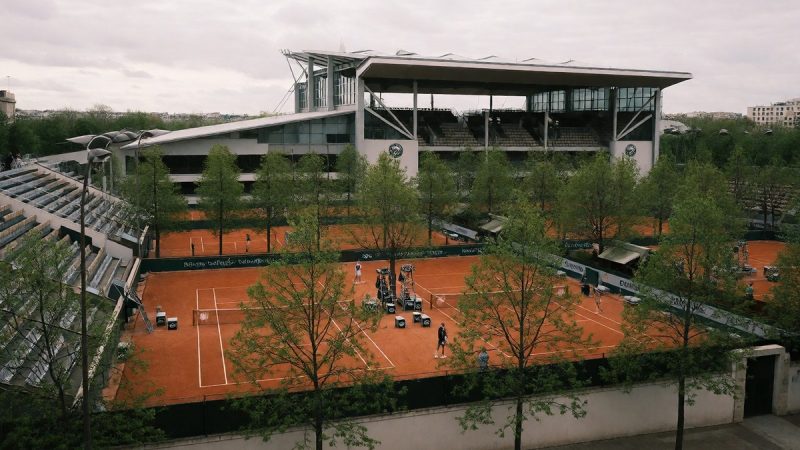
The fight for equal prize money at Wimbledon
Venus Williams successfully pressured the All England Club to implement equal prize money in 2007 after a 2005 boardroom rejection. Her advocacy ensured she became the first woman to receive an equal champion's check of 700,000 pounds following her victory.
The 2005 boardroom confrontation
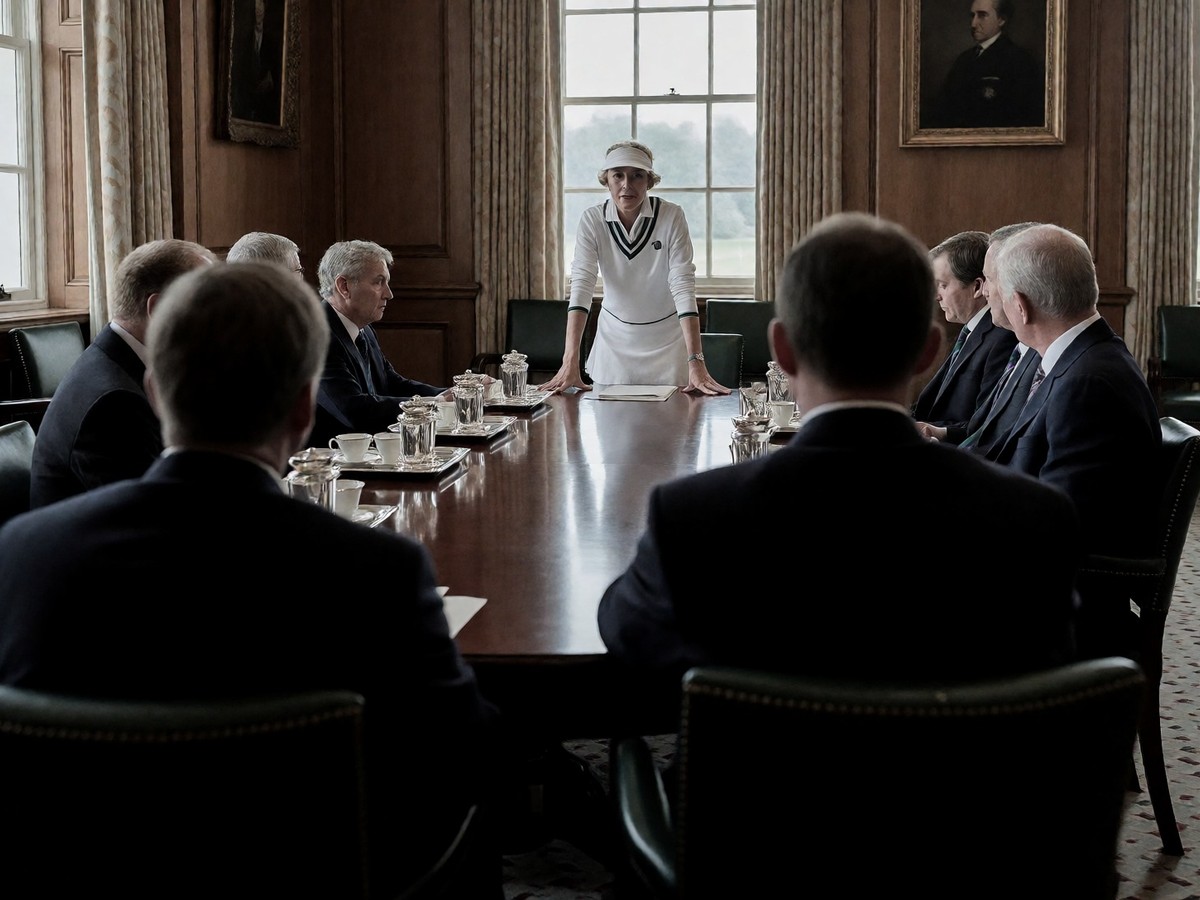
Wimbledon introduced prize money in 1968. The men’s singles winner took home £2000 while the women’s singles winner received £750. By 2005, the prize money difference between men and women had narrowed to 30,000 pounds, with the men’s winner receiving 630,000 pounds and the women’s receiving 600,000 pounds. In 2005, Venus Williams entered the Grand Slam Committee meeting on the eve of her final against Lindsay Davenport to demand that she receive the same prize money as her male counterparts. The meeting took place in a boardroom where they served tea. Williams told the committee members to close their eyes so they could not distinguish if the person next to them was a man or a woman. She asked them if they would want a female loved one to be paid less. The committee rejected the request for equal pay. This rejection was a blunt dismissal of the equality Williams sought. She noted that the committee members were more buttoned up than Americans and the meeting was boring. She said she "bounced" right after the meeting ended. Following the 2005 refusal, Williams wrote an essay in The Times of London in 2006. She wrote, "My fear is that Wimbledon is loudly and clearly sending the opposite message" regarding the absence of a glass ceiling.
Williams forces a change
The All England Club announced equal prize money in February 2007. This decision followed Williams’ advocacy in her speech and her essay. In July 2007, Williams won her fourth Wimbledon crown in London by defeating Marion Bartoli 6-4, 6-1. She was the 23rd seed during that tournament and did not drop a set in her final four rounds. Her run included a 6-1, 6-3 win over the number 2 seed, Maria Sharapova. She became the first woman to collect an equal-sized champion’s check. Williams took home £700,000 for her victory. Roger Federer also took home £700,000 the following day. This victory was a direct result of the pressure she applied to the tournament organizers. Williams credited her mother, Oracene Price, for teaching her to stand up when she saw something wrong. She also spoke at the US Open Champions of Equality event alongside Billie Jean King, Telva McGruder of General Motors, and journalist Christiane Amanpour to discuss her history of activism. She said progress is often agonizingly slow and rarely easy. She also mentioned that "the tough thing and the right thing are often the same thing." After the committee’s refusal in 2005, Williams continued her advocacy by writing a column in The Times of London where she argued that the tournament was sending the opposite message of equality.
Comparing the Grand Slam timelines
Different Grand Slam tournaments moved at different speeds to achieve parity. The US Open offered equal prize money in 1973 due to pressure from Billie Jean King and the WTA. The US Open move in 1973 occurred after the work of the leader of the Original 9. A cash supplement from Ban deodorant aided this move. The Australian Open reached parity in 2001. Roland Garros announced equal prize money one month after Wimbledon did. Williams won her first Wimbledon title in 2000. The tournament organizers at Wimbledon cited higher television audiences for men as a reason for the gap. The Australian Open’s parity followed a struggle that lasted 28 years.
| Tournament | Year of Parity |
|---|---|
| US Open | 1973 |
| Australian Open | 2001 |
| Wimbledon | 2007 |
| Roland Garros | 2007 |
The committee’s repeated refusals for years after the Open Era began showed the historical lack of progress for female athletes. You should know that the fight for equality was a successful long game for Williams. Will smaller tournaments eventually reach this same level of parity?