UFC Apex Facility Economics and 2026 Scheduling Strategy
UFC invested $30 million in the Meta APEX to host twelve events in 2026, prioritizing margin optimization over international tours. This shift aligns with a $7.7 billion Paramount deal, replacing PPV revenue with streaming shares and increasing fighter bonuses to $100,000.
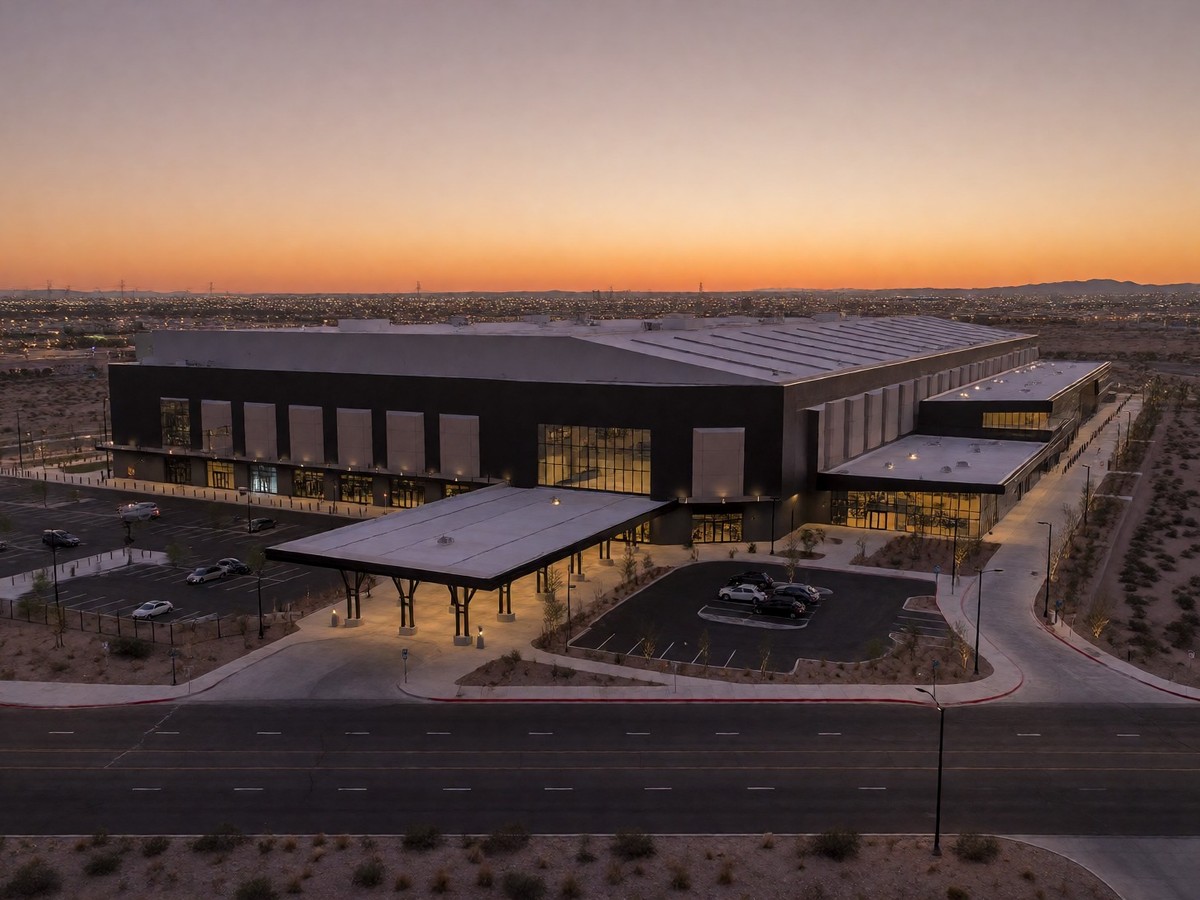
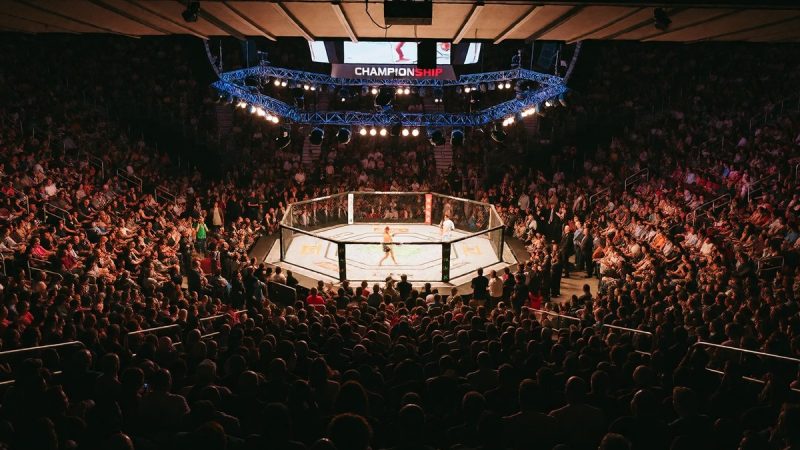
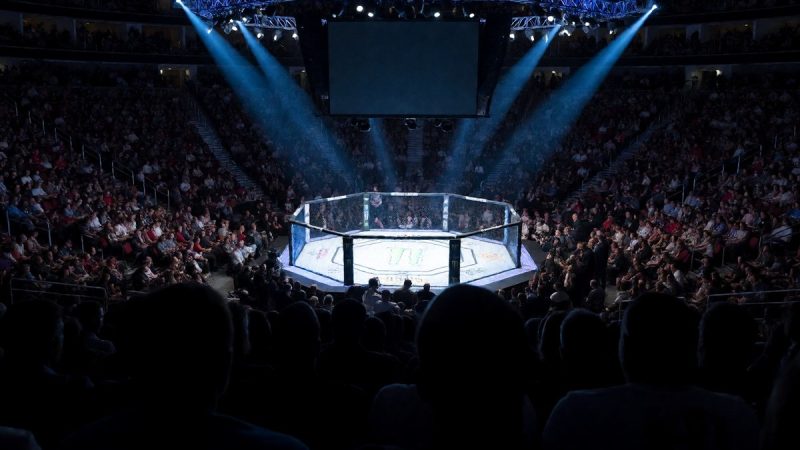
The UFC spent roughly $30 million to renovate the Meta APEX in Las Vegas, adding 5,000 to 10,000 seats and upgrading hospitality amenities. This investment aligns with a seven-year, $7.7 billion media rights deal with Paramount that began in 2026, which replaced ESPN+ as the primary broadcaster for numbered events. Under this new agreement, the promotion no longer relies on pay-per-view sales for its biggest cards, shifting revenue toward subscription metrics and streaming shares. Dana White confirmed the facility expansion is real, dismissing earlier reports of a 10,000-seat capacity as "complete lie," but acknowledged the construction adds significant seating. The Nevada Athletic Commission approved permits for four additional late-2026 events at the venue, bringing the total to twelve cards for the year, matching the previous schedule volume.
Margin Optimization Over Global Reach
TKO Chief Operating Officer Mark Shapiro explicitly stated that UFC margins could be higher if the company held fewer international events and more domestic shows at the APEX. He argued that viewers cannot distinguish between a stadium and the "small but mighty Apex" on television, making the local venue a cost-effective alternative to touring. This strategy prioritizes financial efficiency over the economic ripple effects seen in other markets, where a single event can generate substantial local revenue. For instance, the UFC’s first event in France generated €33.4 million for the Paris region, including €3.4 million in ticket revenue from a sell-out crowd of 15,405. That card also created 400 jobs and produced €16.1 million in compensation and wages, figures that do not exist for a closed-door Las Vegas show.
Shapiro’s comments drew immediate backlash from fans who value live atmosphere, yet the business logic remains clear: owning the arena eliminates travel and production costs. The renovation includes new gathering areas and improved ambiance, aiming to make the experience "leaps and bounds better" than the pandemic-era setup. However, the facility still lacks the name value of major arenas, and fans have criticized the scheduling of high-profile fights like Amir Albazi vs. Kyoji Horiguchi at the Apex. One fan noted that it is ridiculous to host such bouts in a space originally built for a health crisis. The UFC now sells standard tickets through AXS for these events, limiting purchases to eight per person, which signals a move away from exclusive VIP packages.
Financial Reality for Fighters and Fans
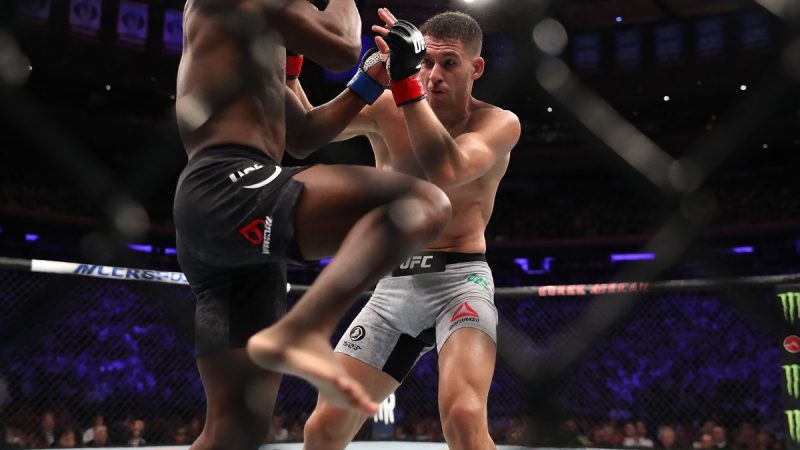
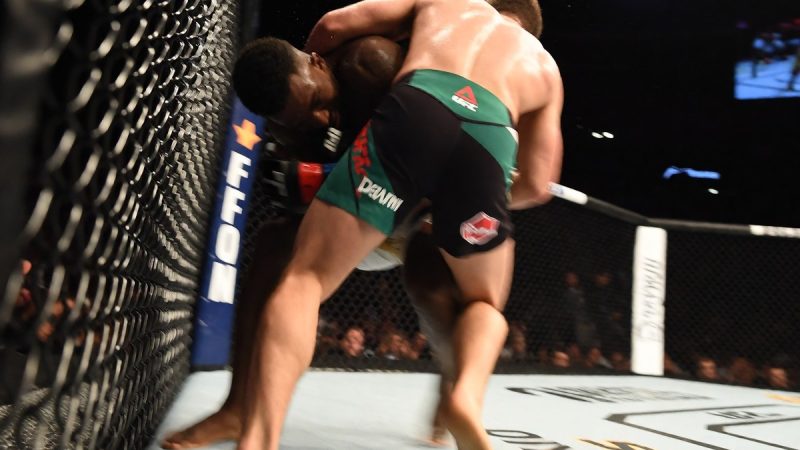
The shift to a subscription model affects how fighters earn backend money, replacing traditional PPV points with a "streaming share" metric based on viewership milestones. Elite stars receive tiered payout bumps if an event drives record-breaking unique viewers or subscription surges during fight week. Meanwhile, the promotion doubled its standard post-fight bonuses to $100,000 for Fight of the Night and Performance of the Night awards, starting with UFC 324. A new $25,000 finish incentive also applies to eligible winners who do not receive a headline award. These changes alter fighter strategy, providing a financial reason to chase finishes even in lopsided bouts.
| Metric | Value |
|---|---|
| Apex Renovation Cost | $30 million |
| Paramount Deal Value | $7.7 billion |
| New Bonus Amount | $100,000 |
| Finish Incentive | $25,000 |
| Annual Apex Events | 12 |
I find the margin argument compelling given TKO’s reported UFC segment revenue of $535.7 million for the second quarter of 2026, a 29% increase over the same period in 2025. The growth links partly to the new Paramount agreement and partnerships like UFC Freedom 250. Yet, cutting international tours risks alienating fans who drive global engagement. Will the long-term brand strength justify sacrificing the immediate economic boost provided by overseas markets?