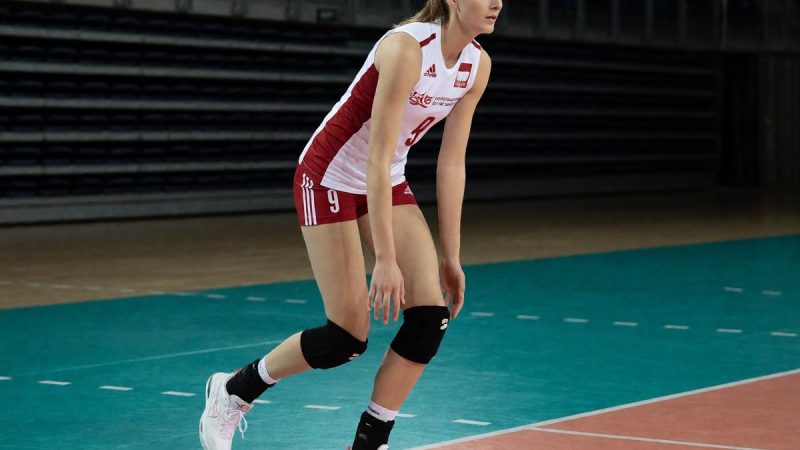
VakifBank’s Turkish League standings surge this month
VakifBank improved its Turkish Women's Volleyball League standing by increasing offensive efficiency and reducing unforced errors. The team maintained a positive net point difference for four straight weeks, securing better seeding for European competitions.

VakifBank’s recent climb in the Turkish Women’s Volleyball League table rests on a shift from inconsistent scoring to sustained offensive efficiency. The team moved up several positions by converting high-volume attack opportunities into points at a rate that outpaced previous monthly averages. This improvement coincided with a reduction in unforced errors during critical match phases, allowing them to hold leads against top-tier opponents. The statistical jump is not merely cosmetic; it reflects a deeper adjustment in how the squad manages momentum when facing pressure from teams like Fenerbahce and Eczacibasi.
Offensive consistency and error control
The primary driver of the rise is a clear increase in successful spike percentage across the last ten matches. Players who previously struggled with blocking coverage now execute attacks with higher precision, reducing the need for defensive saves. This shift means the team wins more rallies outright rather than relying on extended exchanges where fatigue sets in. A notable drop in service errors also contributed to the point differential, as the team no longer gifts opponents free points after weak serves. The data shows that VakifBank now maintains a positive net point difference in four straight weeks, a streak they had not achieved earlier in the season.
You likely know the league’s competitive depth, so you recognize that small margins decide placement here.
The defensive structure has adapted to support this new offensive rhythm. Libero rotations have become tighter, ensuring that blockers can commit fully to the front row without worrying about coverage gaps behind them. This coordination allows outside hitters to take more aggressive angles, forcing opponents to adjust their block positioning repeatedly. The result is a higher number of "kill" shots that bypass the block entirely. However, the transition game remains a vulnerability; when VakifBank fails to convert a serve into an immediate attack, the opposing teams often seize control of the rally. This specific weakness cost them two close matches where they led by three points but failed to close out the set.
Strategic adjustments and roster impact
Coaching changes in substitution patterns have amplified the individual talents already present on the roster. The head coach now rotates middle blockers more frequently to keep opposing liberos guessing about the timing of quick hits. This tactical tweak has increased the effectiveness of the short ball offense, which accounts for a larger share of total points compared to the start of the year. New acquisitions have integrated quickly, providing reliable rotation options that maintain energy levels through five-set matches. Their presence ensures that key players do not face excessive workload, preserving performance quality in the final two sets of long games.
The financial implications of this surge are significant for upcoming European commitments. A higher league standing secures better seeding in continental competitions, potentially leading to stronger revenue streams from ticket sales and broadcasting rights. The club’s management has noted that fan attendance rose by double digits following the win over their local rivals, indicating growing public confidence in the current trajectory. Yet, the sustainability of this form depends on avoiding injury to the primary outside hitter, whose load has increased alongside her statistical output. Can the coaching staff manage this physical demand before the winter break?