Canelo vs Crawford changes Las Vegas boxing scheduling traditions
The Canelo vs Crawford fight at Allegiant Stadium drew 70,482 fans and 36.6 million live viewers, breaking Las Vegas attendance records. This shift to streaming and larger venues disrupts traditional pay-per-view models and alters how promoters schedule major title bouts.
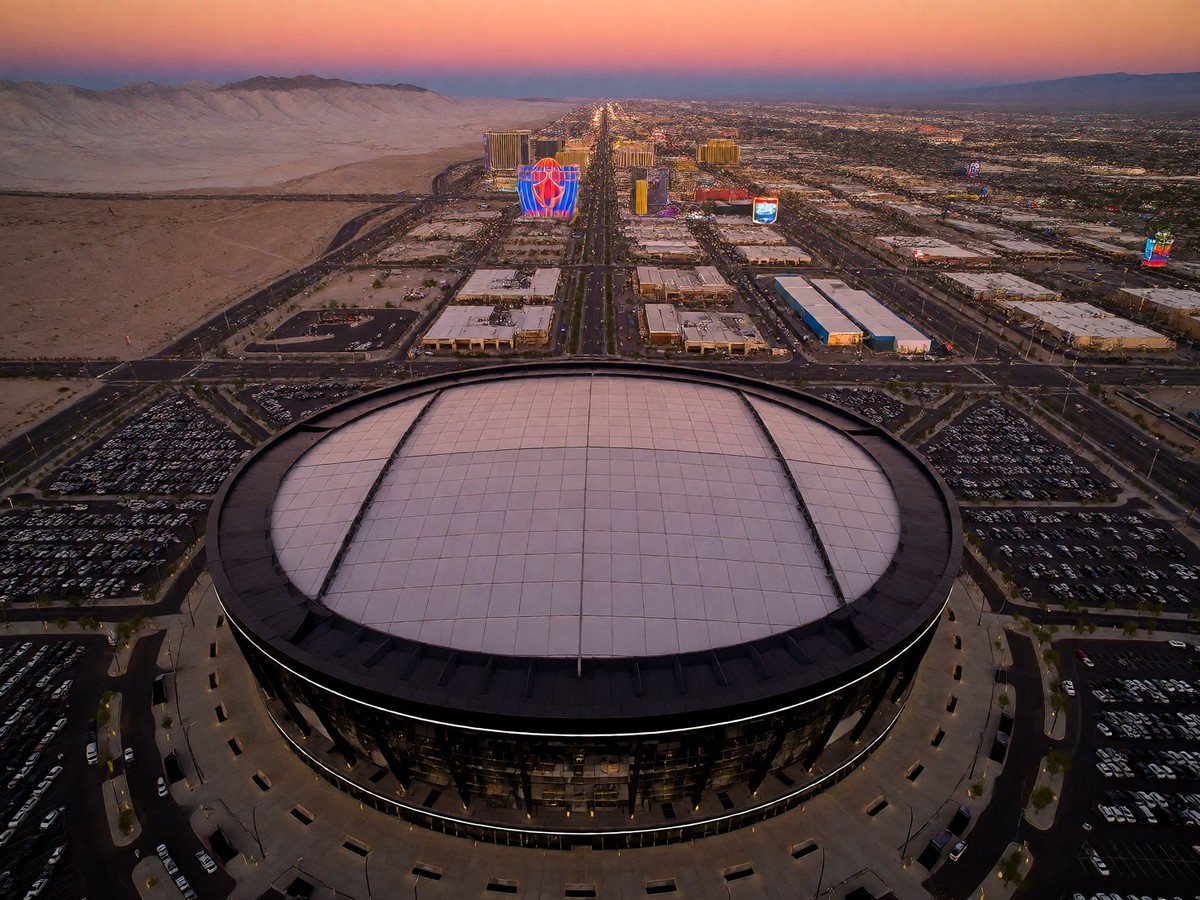
The 70,482 fans at Allegiant Stadium set a new record for the venue’s largest gate, generating over $47 million in ticket sales. This single event shattered the previous attendance ceilings that defined Las Vegas boxing for decades. The fight drew an estimated average minute audience of 36.6 million live viewers on Netflix, making it the most-viewed men’s championship boxing match this century. I see this as a definitive break from the traditional pay-per-view model that dominated the sport for years. The shift to streaming has fundamentally altered how promoters calculate risk and reward for major title bouts.
A new venue and a new business model
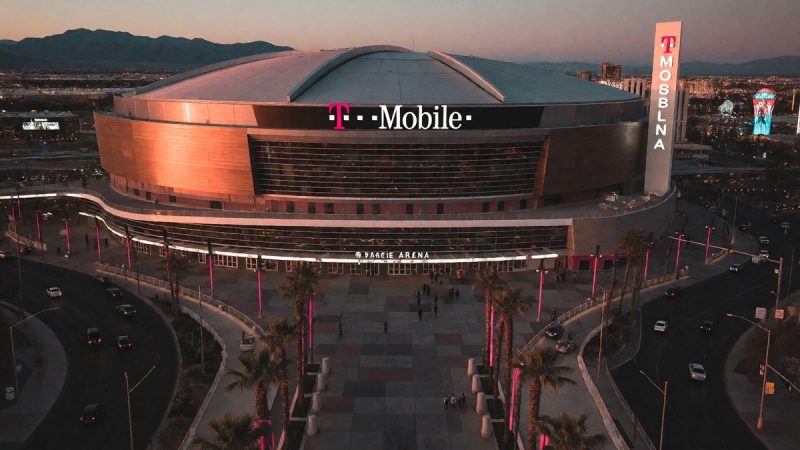
Allegiant Stadium hosted its first-ever boxing match during this September 13 showdown. Before this, the city relied on smaller venues like T-Mobile Arena or MGM Grand Garden Arena for its biggest fights. Those older spaces typically held fewer than 20,000 people, limiting the potential revenue per seat. Dana White and Riyadh Season promoted the card, marking White’s first foray into professional boxing. He does not plan to make it his last, signaling a long-term commitment to this hybrid sports entertainment approach. The UFC recently reached a seven-year deal with Paramount, moving away from the PPV model for its numbered cards. This strategic pivot suggests that subscription-based viewing will become the norm for high-profile combat sports events in Las Vegas.
| Venue | Typical Capacity | Event Date | Gate Revenue |
|---|---|---|---|
| Allegiant Stadium | 70,482 | September 13, 2025 | $47,231,887 |
| T-Mobile Arena | ~18,000 | May 2024 | $50,400,000 |
| MGM Grand Garden | ~17,000 | November 2021 | $64,000,000 |
I find the financial data compelling but the crowd dynamics concerning. While the total gate was massive, the per-ticket price likely dropped significantly compared to older arena shows. Fans could watch the fight via a Netflix subscription rather than paying $90 or $100 for pay-per-view. This accessibility boosted global viewership to 41.4 million but potentially diluted the exclusive experience that once defined Las Vegas fight nights. The event trended number one in 30 countries, including the US and Mexico, proving the global reach of the new distribution method.
Scheduling shifts and legacy comparisons
The traditional "Fight Capital" schedule is now disrupted by these mega-events. Historically, top fights like Ali versus Holmes in 1980 or Mayweather versus Pacquiao in 2015 filled specific arenas without competing against other major sporting events. Now, a single boxing night can command the attention of a stadium built for football. Bruce Trampler, who booked many classic matches, noted that no male fighter had previously captured unified titles in three weight classes before Crawford attempted it. However, Crawford lost to Alvarez by unanimous decision, ending his perfect record. This result complicates the narrative of a clean transition to a new era.
Kevin Iole pointed out that Crawford did not reach the stardom level of legends like Sugar Ray Leonard or Mike Tyson when they fought in Las Vegas. Yet, the digital footprint of this fight far exceeded those historical benchmarks. The fight generated over 950 million owned impressions across social channels. It accounted for 21 of the top 30 trends in the US alone. I question whether this digital dominance compensates for the loss of physical intimacy in the viewing experience. The next major test comes in December when Tyson Fury faces Anthony Joshua in Cardiff. Will that event replicate the scale of the Canelo-Crawford spectacle, or will the market settle back into a more moderate rhythm?