How USADA mobile tracking and testing changes fighter training camps
USADA's move toward 24/7 mobile tracking for fighter movements forces athletes into more predictable training environments. This digital oversight arrives as the UFC transitions toward its own independent anti-doping program following a split from USADA.
USADA considers a mobile phone application to track fighter movements 24/7. This system makes location updates passive rather than requiring fighters to manually provide updates. Some fighters face penalties for failing to provide active location updates. Sean Strickland stated he would find it "Not at all likely" that he would use the USADA service. I conclude that the move toward 24/7 mobile tracking forces fighters into more predictable training environments. This tech arrives as the UFC moves toward its own independent program following a split from USADA. The UFC hired USADA to run its anti-doping program in 2015. The relationship between the organizations became untenable because of the situation involving Conor McGregor. USADA insisted he spend at least six months in the testing pool and pass two drug tests before competing, but the UFC questioned this stance.
Global collection and local hurdles
The UFC employs Drug Free Sport International to collect samples from over 600 fighters. This agency employs over 5,000 collection personnel worldwide to provide greater global coverage than the prior program. You probably know that fighters often move to remote areas for privacy. I find the move toward 24/7 mobile tracking invasive. Testing occurs randomly and unannounced, 24 hours a day, 365 days a year. Dana White called USADA’s decision to publicize the split a "scumbag move."
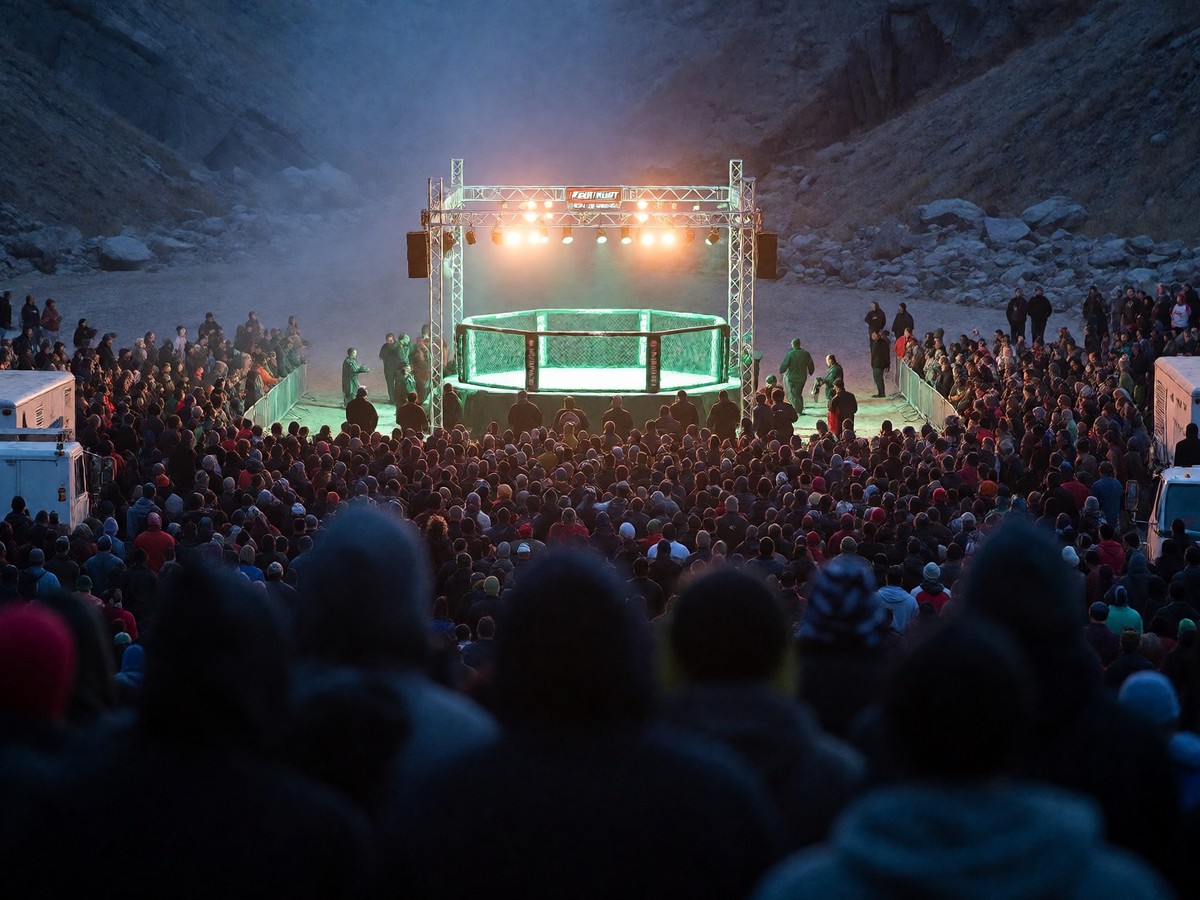
In places like Dagestan, USADA agents face risks from airport security or local officials who might warn athletes about a tester’s arrival, which allows metabolites with short half-lives to leave a fighter’s system before the collector arrives. Some observers question if USADA can conduct thorough testing in countries like China or Russia. Will fighters relocate to countries with less oversight to escape this digital net?
New substance restrictions
The 2026 WADA Prohibited List includes new rules for carbon monoxide use and gene doping. The rules also prohibit the withdrawal of blood or blood components except for medical tests or donation at accredited centers. The prohibition on gene doping specifies the use of cell components like nuclei, mitochondria, and ribosomes. For inhaled salmeterol, the maximum total daily dose is 200 micrograms, but athletes cannot exceed 100 micrograms in any 8-hour period. The list also contains new examples of hormone and metabolic modulators like BAM15, as well as stimulants like flmodafinil and fladrafinil.
The UFC program differentiates between intentional use and unintentional exposure by setting specific limits for certain substances. If a sample tests positive at or below these limits, Combat Sports Anti-Doping handles the atypical finding. CSAD, led by George Piro, manages all administration issues. The program uses the Sports Medicine and Research Testing Laboratory in Utah, headed by Dr. Daniel Eichner, to handle samples. The failure rate for out-of-competition testing is 26.3 percent, an alarming rate according to Lorenzo Fertitta.
| Substance | Limit |
|---|---|
| Clomiphene/clomiflene | 0.10 ng/mL |
| DHCMT metabolite (M3) | 0.10 ng/mL |
| SARMs | 0.10 ng/mL |
| GW-1516 (GW-501516) | 0.10 ng/mL |
| Epitrenbolone (Trenbolone metabolite) | 0.20 ng/mL |
The UFC program also sets specific limits for anabolic agents and hormone modulators. The program permits deviations for substances like Clomiphene or SARMs. These thresholds allow the program to differentiate between intentional use cases and cases stemming from unintentional exposure to low level contaminants. The UFC and USADA also updated rules regarding marijuana. They no longer punish athletes who test positive for THC unless evidence demonstrates the substance was taken for performance-enhancing purposes. Jeff Novitzky stated the decision follows science showing no correlation between THC levels and impairment.