The economics of Naoya Inoue’s 2026 bantamweight purse split
Naoya Inoue is projected to earn between $12 million and $20 million for his undisputed super bantamweight title bout against Junto Nakatani. The payout distribution favors Inoue due to his status as the undisputed champion and larger international draw.
Inoue and Nakatani purse estimates
Inoue will earn between $12 million and $20 million for the undisputed super bantamweight title bout against Junto Nakatani. This fight at the 55,000-seat Tokyo Dome could see Nakatani earn between $4 million and $8 million. The payout distribution favors Inoue because he is the undisputed champion and a bigger international name. A split of 70-30 or 65-35 after guarantees would place Nakatani in the low-to-mid seven-figure range if total fighter compensation reaches $25 million. Nakatani holds a 32-0 record with 24 knockouts and aims to become a four-division world champion. The event occurs during Japan’s Golden Week holiday and will broadcast in over 100 cinemas across the country. This fight surpasses Inoue’s 2024 payday against Luis Nery, which brought in roughly $6.3 million to $6.5 million. The fight will also be shown on DAZN. Nakatani earned this opportunity after winning on the same Riyadh card as Inoue last December.
Negotiation leverage and revenue splits
| Component | Financial Detail |
|---|---|
| Inoue revenue estimate | $12 million to $20 million |
| Nakatani revenue estimate | $4 million to $8 million |
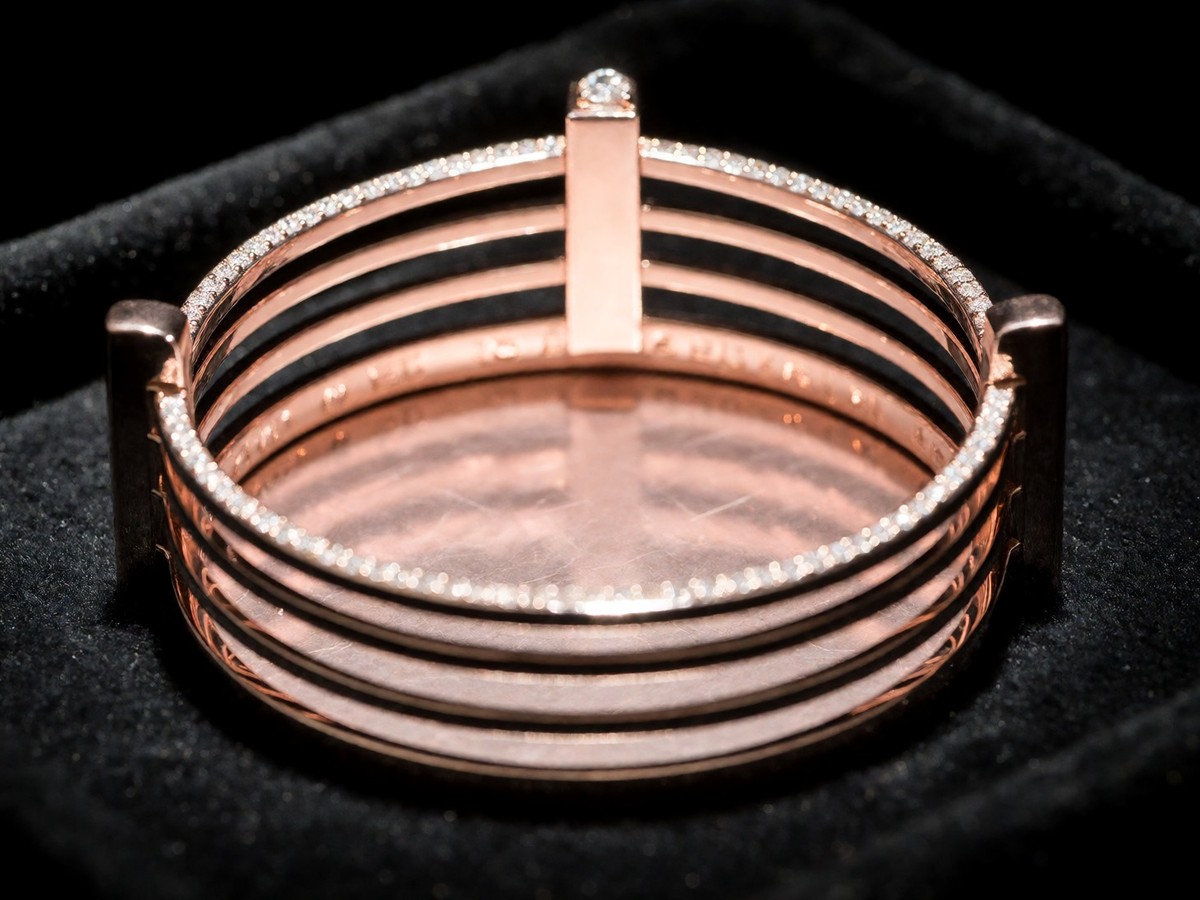
| Winner’s prize | WBC Crown Series ring ($100,000+) |
| Ring stone count | 626 stones, 573 diamonds |
| Ring stone weight | 11 carats |
Negotiations for elite bouts depend on whether a fighter is the primary attraction. Stephen Fulton used the possibility of a rematch with Brandon Figueroa for leverage during his talks with Inoue. You should understand that the distributor takes roughly half of what households spend on a pay-per-view event. Because the distributor takes roughly half of the gross revenue from households, the remaining funds must cover production costs, venue rental, sanctioning fees, and the fighters before the promoter sees any profit from the event. Negotiated terms often include rematch and option clauses that dictate how money moves. The money moves in a fixed order: households pay the distributor, the distributor passes a share to the promoter, the promoter pays fighters and production, then sanctioning bodies take their fees. Sanctioning bodies like the WBA, WBC, IBF, and WBO take license and inspection fees. Distributors like DAZN or ESPN+ take their fees before any other party. This fee is often around 50 percent of the gross consumer spend. For a card with a proven sellable attraction, a distributor might accept a fee closer to 40 percent. However, a card with one champion and an unproven opponent may see the distributor take 55 percent. The promoter also pays for the venue and production staff, such as lighting, audio, and security.
Comparing fighter compensation
The Nakatari purse split is clearly the most significant part of this economic comparison. The Nakatari payday is a significant increase from his past checks. However, the split remains heavily skewed because Nakatani is the challenger. Nakatari’s earnings are much lower than Inoue’s despite his status as a three-division champion. The winner also receives a rose-gold ring worth over $100,000. This piece contains 626 stones, including 573 diamonds. The massive sale of 55,000 tickets at the Tokyo Dome provides multiple sources of income. The fight is the biggest all-Japanese boxing match in history. In previous matchups, like the 2023 fight between Inoue and Stephen Fulton, the economic pressure differs. Fulton, who was 21-0 and 8 KOs, traveled to Japan to defend his WBC and WBO super-bantamweight titles. Inoue won that fight via an eighth-round TKO. Will Nakatani’s position as a three-division champion eventually force a higher percentage of the international broadcast revenue?