UFC Fight Night London booking logic explained
UFC Fight Nights utilize rising stars and specific card pacing to drive ESPN+ subscriptions and build momentum for numbered events. Matchmakers prioritize high-engagement matchups, such as the Evloev versus Murphy bout, to manage viewer interest and platform transitions.
Rising stars and subscription models
UFC Fight Nights build a steady stream of future stars and promote upcoming numbered events. These events focus on up-and-coming fighters rather than the established names seen in pay-per-view matchups. Fans watch these broadcasts via an ESPN+ subscription, which costs $69.99 per year. This differs from numbered events, which require a $69.99 pay-per-view purchase for a single fight night. If a fan buys 12 pay-per-view events at $69.99 each, the cost reaches $840.
| Event Type | Primary Focus | Broadcast Method | Typical Price |
|---|---|---|---|
| Fight Night | Rising stars | ESPN+ | $69.99 per year |
| Numbered Event | Established stars | Pay-per-view | $69.99 per event |
Matchmaking for Fight Nights allows fighters to introduce themselves to the audience and impress Dana White. While numbered events like UFC 257 achieved 1.6 million buys and UFC 229 reached 2.4 million buys, Fight Nights provide a regular stream of content. The promotion earns revenue from ticket sales, merchandise, and fight replays. Sponsors also pay to have advertisements placed around the venue or inside the octagon to reach the audience.
Pacing the octagon floor
Dana White designs fight cards to create a specific pacing that peaks at certain points to engage fans. The UFC begins the evening with preliminary bouts featuring athletes making their way through the rankings. The promotion selects main card openers intended to "open with a bang" to set the stage for the pay-per-view transition. While career status often influences interest, the UFC matchmakers prioritize matchups that promise high engagement over strictly following a fighter’s ranking. For example, Aljamain Sterling fought on the preliminary card for UFC 310 to build momentum for his featherweight bout against Movsar Evloev.
The promotion also selects certain matchups to ensure the night starts with energy, such as the Doo-ho Choi versus Nate Landwehr bout. Even if a fighter’s career status reflects their position on a card, the bout order remains subject to these pacing needs. In 2019, the UFC signed a deal with ESPN requiring the production of 42 events for the network, which results in at least two or three events held ahead of numbered events. The goal of the matchmakers involves planning around the fact that you cannot guarantee a fight will deliver once the Octagon door closes. They aim to have the night peak at certain points to engage the fans. Will the matchmaking always prioritize excitement over historical rankings?
London card structures
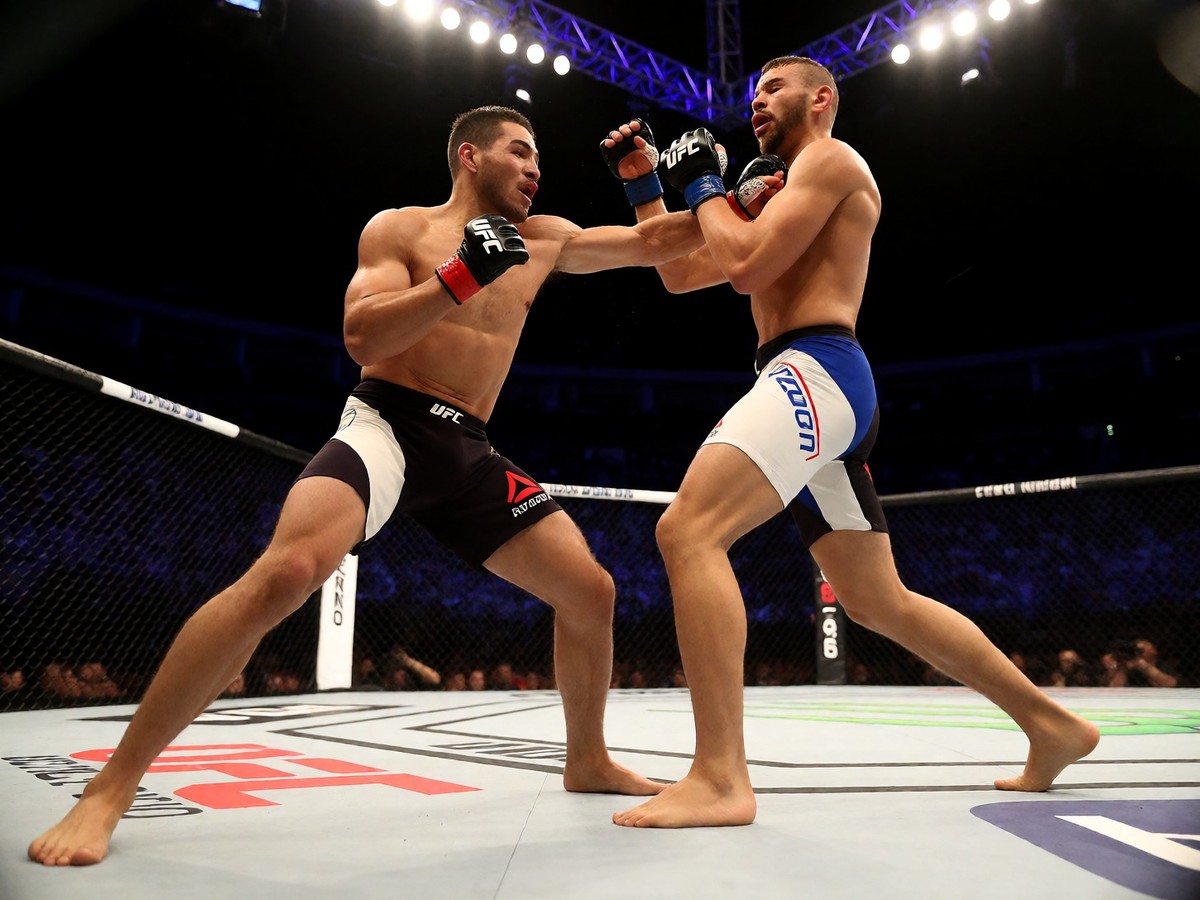
London Fight Night cards often include a mix of veterans and prospects to satisfy the local crowd. One card included a heavyweight matchup between former champion Fabricio Werdum and Alexander Volkov as the headliner at 5 p.m. ET. This same event placed light heavyweight contenders Jan Blachowicz and Jimi Manuwa in the co-main event slot. Another London card saw featherweight contender Movsar Evloev face Lerone Murphy in the main event. This event used the co-main event slot for featherweight prospect Luke Riley against Michael Aswell Jr. to build momentum in that division.
You should understand that these placements help the UFC manage the transition between different viewing platforms. In that same Evloev versus Murphy event, Michael Page defeated Sam Patterson by unanimous decision, while Iwo Baraniewski earned a performance bonus after delivering a rapid 28-second knockout of Austen Lane. The Evloev versus Murphy fight ended in a majority decision (48-46, 48-46, 47-47) after a point deduction for a second low blow during the fourth round. Other fighters on such cards include Tom Duquesnoy, Terrion Ware, Leon Edwards, and Peter Sobotta. Leon Edwards entered his bout on a four-fight win streak. In the middleweight division, Christian Leroy Duncan defeated Roman Dolidze by unanimous decision after controlling the distance and pace. Danny Silva also secured a second-round TKO against Kurtis Campbell to silence the London crowd.