The 2001 season that changed Japanese player scouting
Ichiro Suzuki redefined MLB scouting after recording 242 hits and winning the American League MVP in 2001. His success with the Seattle Mariners bridged the gap between Japanese and American baseball cultures, paving the way for future stars like Hideki Matsui and Shohei Ohtani.
The 242-hit rookie campaign
Ichiro Suzuki won the American League MVP and Rookie of the Year in 2001, a season where he recorded 242 hits. This hit total broke the American League record and surpassed Lloyd Waner’s 1927 mark of 223. He batted .350 and stole 56 bases during that year. The Seattle Mariners won 116 games, which tied the major league record for most wins. The Mariners paid Orix over $13 million for his rights after he used the posting system. He led the league in total hits, batting average, and stolen bases. He scored 127 runs and drove in 69 runs. He also hit .600 in the American League Division Series against the Cleveland Indians. Before arriving in Seattle, he set an NPB record in 1994 with 210 hits and batted .385. His 27-year-old frame arrived in Seattle after he led the Orix Blue Wave to a Pacific League pennant in 1995. Kazuhiro Sasaki had already established himself as an effective closer in 2000, recording 37 saves and a 3.16 ERA.
| Category | 2001 Stat |
|---|---|
| Hits | 242 |
| Batting Average | .350 |
| Stolen Bases | 56 |
| Runs Scored | 127 |
| RBI | 69 |
Questioning the "slap hitter" profile
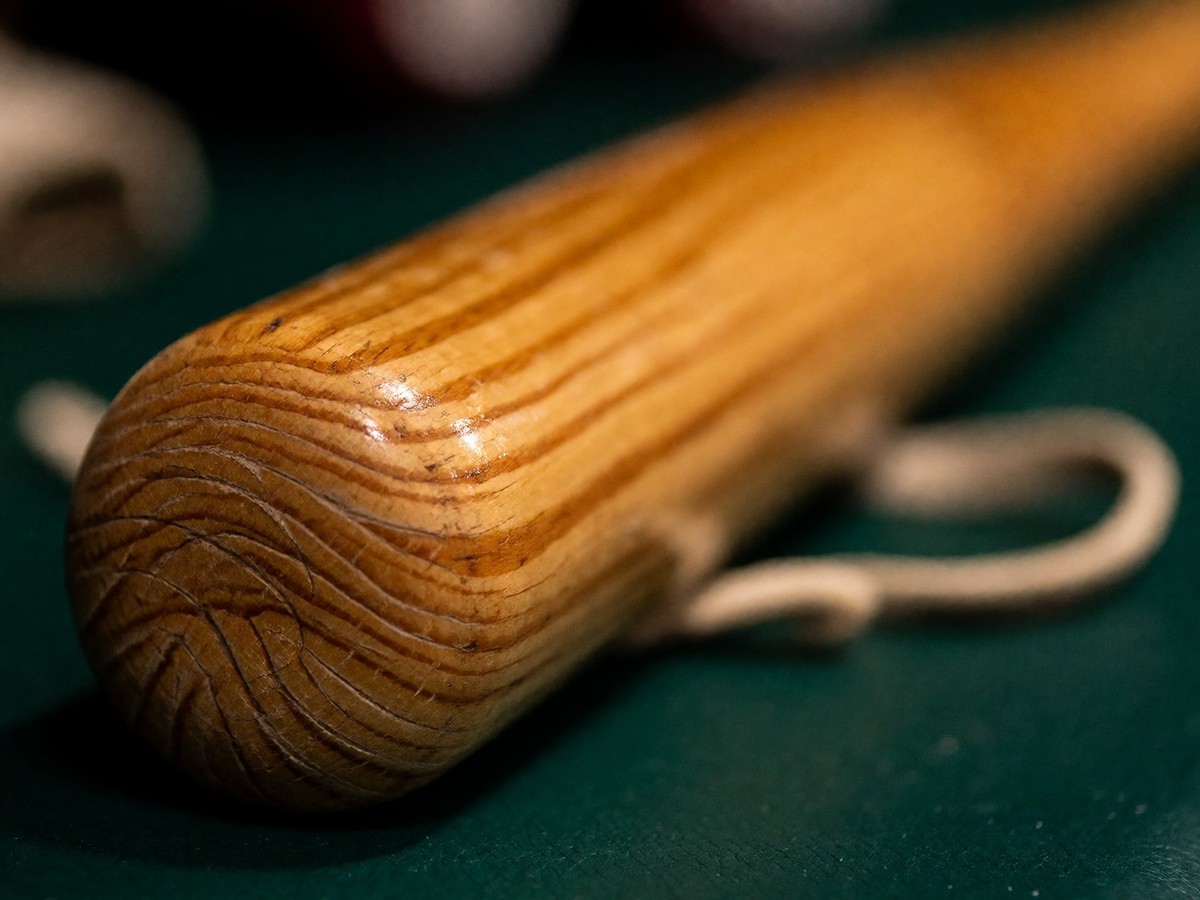
Critics argued that Ichiro lacked power and functioned as a "slap hitter." During spring training, manager Lou Piniella asked if he could hit more than soft singles to left field. Ichiro replied that he could hit hard to right field if the manager wanted. His swing used a pendulum-like leg motion to shift weight. Some analysts claimed his preference for right field hamstrung the offensive production of the Mariners. You should know he earned ten Gold Gloves during his career. His perennial fielding excellence led fans to call his right field "Area 51." He treated his bats with care, stating he would never throw his best hammer like a carpenter. His routine included using a small wooden tool to massage his feet while sitting at his locker. In 2004, he broke George Sisler’s record by recording 262 hits in a single season, reaching 251 hits through 154 games before finishing the year with a total that remains a record. He also recorded 50 hits in four different months during that 2004 campaign, including 51 hits in August.
Paving the way for the next generation
Ichiro changed how American teams viewed Japanese position players after pitchers like Hideo Nomo proved successful in 1995. Nomo won the National League Rookie of the Year with a 2.54 ERA. Scouts doubted a 160-pound player could handle the velocity of Major League pitching or the 162-game schedule. His success opened paths for Hideki Matsui and later Shohei Ohtani. Matsui hit 175 home runs and drove in 760 runs during his ten seasons in the big leagues. Ohtani now displays a two-way skill set that differs from Ichiro’s contact-heavy profile. Ohtani hit .265 with eight home runs and 14 RBIs during the 2025 postseason. Ichiro collected 3,089 hits during his 19-year career. In Japan, he earned three straight Pacific League MVP awards and hit .353 over nine seasons. He also hit .380 in a 1998 exhibition series against MLB All-Stars. This success helped bridge the gap between the baseball cultures of Japan and the United States. Modern stars like Yu Darvish and Masahiro Tanaka followed the path he helped create. Darvish has recorded over 2,000 career strikeouts. Did his success alone change the scouting industry?