2026 Leagues Cup Format and Scheduling Conflicts
The 2026 Leagues Cup begins August 4, creating a tight turnaround after the World Cup. Real Salt Lake faces 11 games in 44 days, while 36 clubs compete for three Concacaf Champions Cup spots.
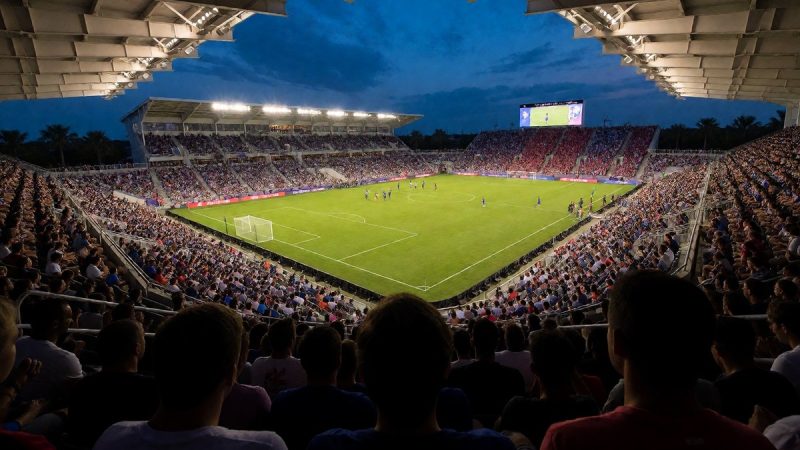
Leagues Cup 2026 kicks off on August 4, less than three weeks after the FIFA World Cup concludes in North America. This tight turnaround creates immediate friction for clubs like Real Salt Lake, which faces a grueling stretch of 11 games in 44 days across MLS and Leagues Cup. The tournament runs through September 6, featuring 36 clubs split into Eastern and Western regions. Each region contains 18 teams sorted into three tiers based on the Leagues Cup Ranking. Tier 1 includes ranks 1 to 3, while Tier 3 covers ranks 7 to 9. This structure ensures geographic balance but forces travel-heavy schedules that test player endurance. I see this as a necessary compromise to maintain competitive integrity while accommodating national team obligations.
Phase One Mechanics and Venue Logistics
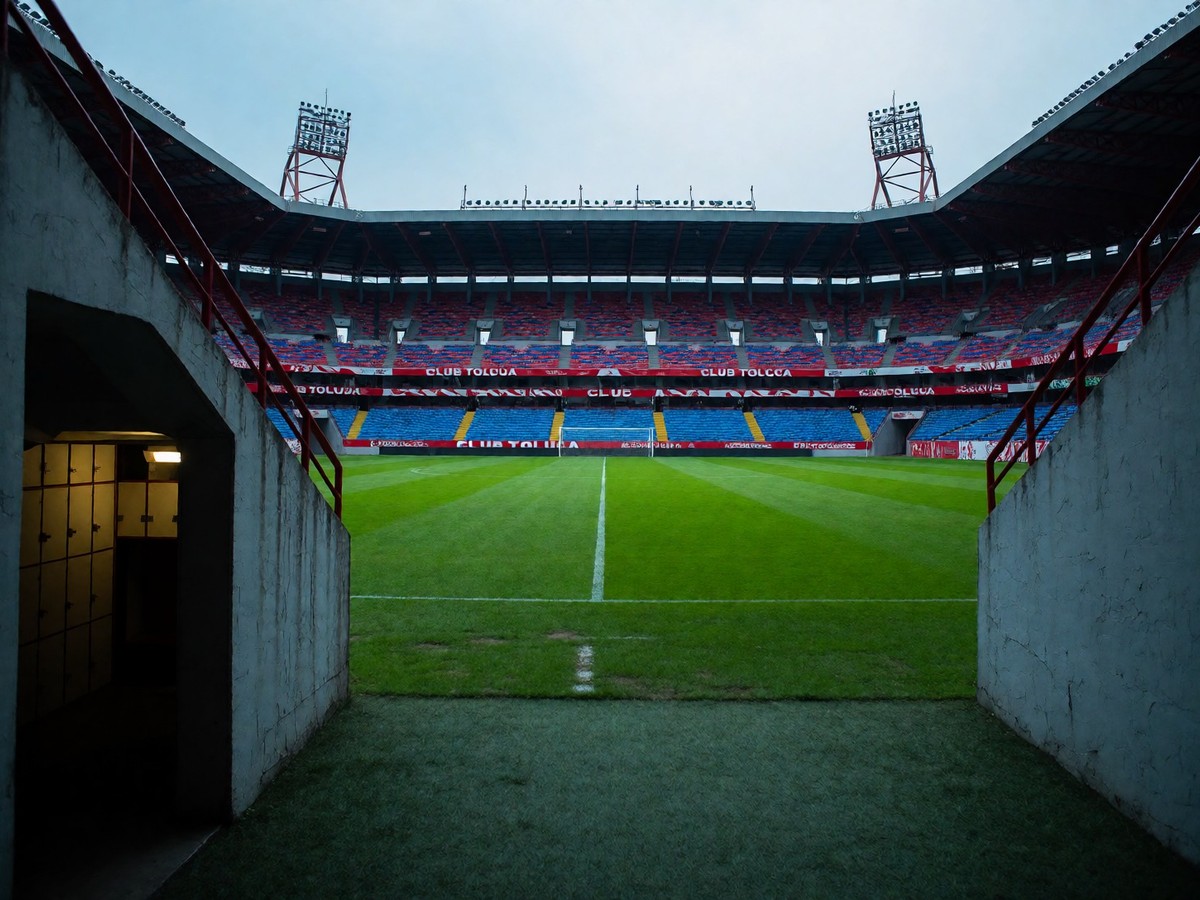
Phase One consists of 54 matches over nine days, with every club playing three opponents from the opposite league. Points are awarded strictly: three for a regulation win, two for a penalty shootout victory, and one for a shootout loss. No extra time is played; ties go directly to penalties. Four high-profile fixtures occur in Mexico for the first time, hosted by the top three ranked LIGA MX clubs. Club Toluca hosts two matches at Estadio Nemesio Diez, including a showdown against Seattle Sounders on August 5. Tigres UANL hosts Vancouver Whitecaps on August 11, and Club America hosts San Diego FC at Estadio Banorte. These venues offer distinct challenges, such as the altitude in Mexico City, which exceeds 7,200 feet above sea level.
The scheduling conflicts extend beyond travel fatigue. MLS paused regular season action after Matchday 15 on May 23 to allow players to join national teams for the World Cup. Play resumes July 16, leaving only four weeks before Leagues Cup begins. Clubs must manage squad rotation carefully, as seen with Real Salt Lake making six starting changes for their match against FC Juarez. The knockout stage follows a fixed bracket, with Quarterfinals scheduled for August 25 to 27. Interleague matchups are guaranteed through the Quarterfinals, ensuring cross-border competition until the Semifinals. The top four teams from each league advance, creating a clear pathway to the Final and Third-Place Match on September 6.
| Metric | Value |
|---|---|
| Total Clubs | 36 |
| Phase One Matches | 54 |
| Qualifiers for Concacaf Champions Cup | 3 |
| Champion Berth | Round of 16 |
This format rewards consistency in the group stage, where goal differential serves as the primary tiebreaker after points. The direct berth to the Round of 16 for the champion positions clubs for the 2027 Concacaf Champions Cup. However, the compressed timeline leaves little room for error. If a team struggles in Phase One, they have no second chance to recover momentum before elimination. Does this pressure improve quality or just increase injury risk? I leave that question open because the data is still emerging.
Competitive Pathway and Broadcast Reach
The tournament awards three spots to the 2027 Concacaf Champions Cup, with the winner advancing directly to the Round of 16. This provides a direct route to FIFA international club competitions, including the FIFA Club World Cup. Attendance has grown steadily, with 69,000 fans attending the 2025 Final in Seattle. All 77 matches will air on Apple TV in over 100 countries, supplemented by linear broadcasts on TelevisaUnivision, FOX Sports, TSN, and RDS. The broadcast strategy aims to maximize global reach while keeping local engagement high through club-specific activations.
I find the current format effective but potentially unsustainable due to the calendar congestion. The integration of World Cup celebrations and Leagues Cup requires clubs to juggle multiple priorities within a short window. For instance, Houston Dynamo transforms Shell Energy Stadium into a soccer festival during the World Cup, then immediately shifts focus to league play. This dual demand strains resources and player availability. The tiered ranking system, based on cumulative performance in the previous season’s regular seasons, helps predict outcomes but may not reflect current form. Teams like Inter Miami, the 2025 MLS Cup Champion, enter with high expectations but face stiff competition from LIGA MX powerhouses. The clarity of the rules and the financial incentives keep clubs motivated, yet the physical toll remains a significant concern for long-term sustainability.