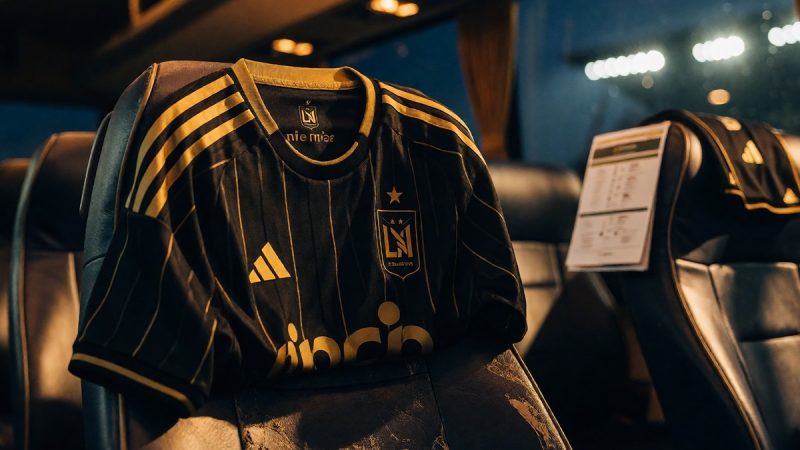
Economics of Columbus Crew roster spend and salary management
Columbus Crew total compensation reached $22,338,020 for the 2026 season following the transfer of Cucho Hernández. President Tim Bezbatchenko manages the budget through TAM-GAM hybrid restructuring and strategic player acquisitions like Wessam Abou Ali.
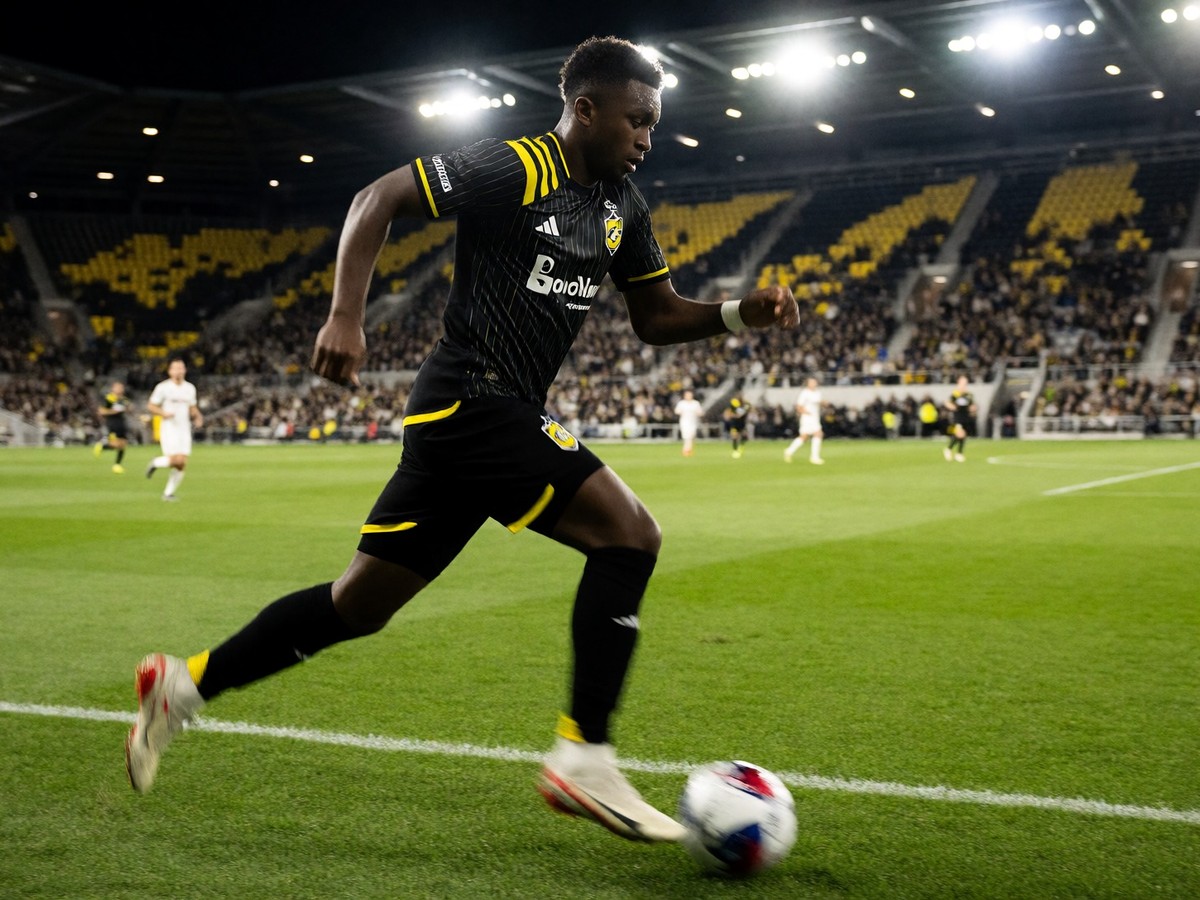
Roster shifts after Cucho Hernandez
The Columbus Crew total compensation spend reached $22,338,020 for the 2026 season, an amount that equals a $3,000,000 increase from the October 2025 release and a nearly $6,000,000 increase from the start of the 2025 MLS season. The team replaced Cucho Hernandez, who transferred to Real Betis in February 2025, with Designated Player Wessam Abou Ali. Abou Ali earns a $2,775,000 base salary and $3,611,750 in total compensation. His transfer fee from Al Ahly exceeded $7.5 million. You should note that Abou Ali currently sits out the season with an injury. The squad added Jamal Thiare via trade with Atlanta United for a $500,000 base salary and $530,000 in total compensation. The club manages the roster through strategic moves, such as the 2022 trade of Sebastian Berhalter to Vancouver Whitecaps FC for $50,000 in guaranteed General Allocation Money and up to $50,000 in conditional funds. Berhalter, a Crew Academy product, previously made his professional debut in 2020 and appeared in nine matches during the club’s 2020 MLS Cup title run.
Bezbatchenko and salary management
Tim Bezbatchenko returned to the club in the summer of 2026 to lead sporting elements as President of Global Soccer. He manages a roster where many players receive incremental pay bumps to manage the budget. Max Arfsten signed an extension near the end of the 2025 MLS season that makes him a TAM player. His contract carries an $800,000 base salary and $895,000 in total compensation. Captain Sean Zawadzki signed an extension through 2030 with an $800,000 base salary and $900,500 in total compensation. Bezbatchenko uses General Allocation Money to buy down Designated Player budget charges. Former Everton midfielder Andre Gomes joined as a free acquisition earning an $875,000 base salary and $971,944 in total compensation. The club applies Targeted Allocation Money to build depth in the middle of the roster. This strategy allows the club to sign high-level talent without exceeding the maximum salary budget charge of $803,125. Bezbatchenko brings experience from his time with the Black Knight Football Club consortium, which includes clubs like AFC Bournemouth and FC Lorient. His previous work as General Manager of Toronto FC helped lead that club to two MLS Cup titles and its first-ever MLS playoffs birth. He also served as the Senior Director of Player Relations and Competition for Major League Soccer, managing all MLS rosters and the player pool.
Crew roster spending and rules
The Crew squad uses several specific salary structures to remain competitive. The club chooses between the Designated Player Model and the U22 Initiative Model.
| Roster Detail | Value |
|---|---|
| Total Base Salary | $18,919,121 |
| Total Compensation | $22,338,020 |
| Senior Roster Cap Hit | $15,317,203 |
| Maximum Salary Budget Charge | $803,125 |
The Crew signed Nariman Akhundzada from Qarabag, and he earns $550,000 in base salary and $633,389 in total compensation. Hugo Picard joined as a U22 Initiative signing and earns $725,000 in base salary and $781,244 in total compensation. The club total compensation spend grew nearly $6,000,000 from the start of the 2025 MLS season. The team signed Taha Habroune, who earns $152,000 in base salary and $140,000 in total compensation. The team added Luke Pruter to a first team deal of $113,400 in base salary and total compensation. Other roster members like Malte Amundsen earn $675,000 in base salary and $747,500 in total compensation, while Andres Herrera earns $650,000 in base salary and $727,632 in total compensation. The squad relies on homegrown players like Sean Zawadzki and Mohamed Farsi. The club added Zach Zengue, who earns $88,025 in base salary and $88,025 in total compensation. These additions help maintain the depth required for the postseason. The Crew roster building relies on heavy investment in specific talent categories. Can the team sustain this level of investment while managing the departure of high-value assets?