NBA load management and back-to-back restrictions
The NBA Board of Governors approved tougher resting policies for star players to ensure participation in nationally televised games. Teams face fines up to $1,000,000 for violations, while statistics show teams win only 44% of games on the second night of a back-to-back.
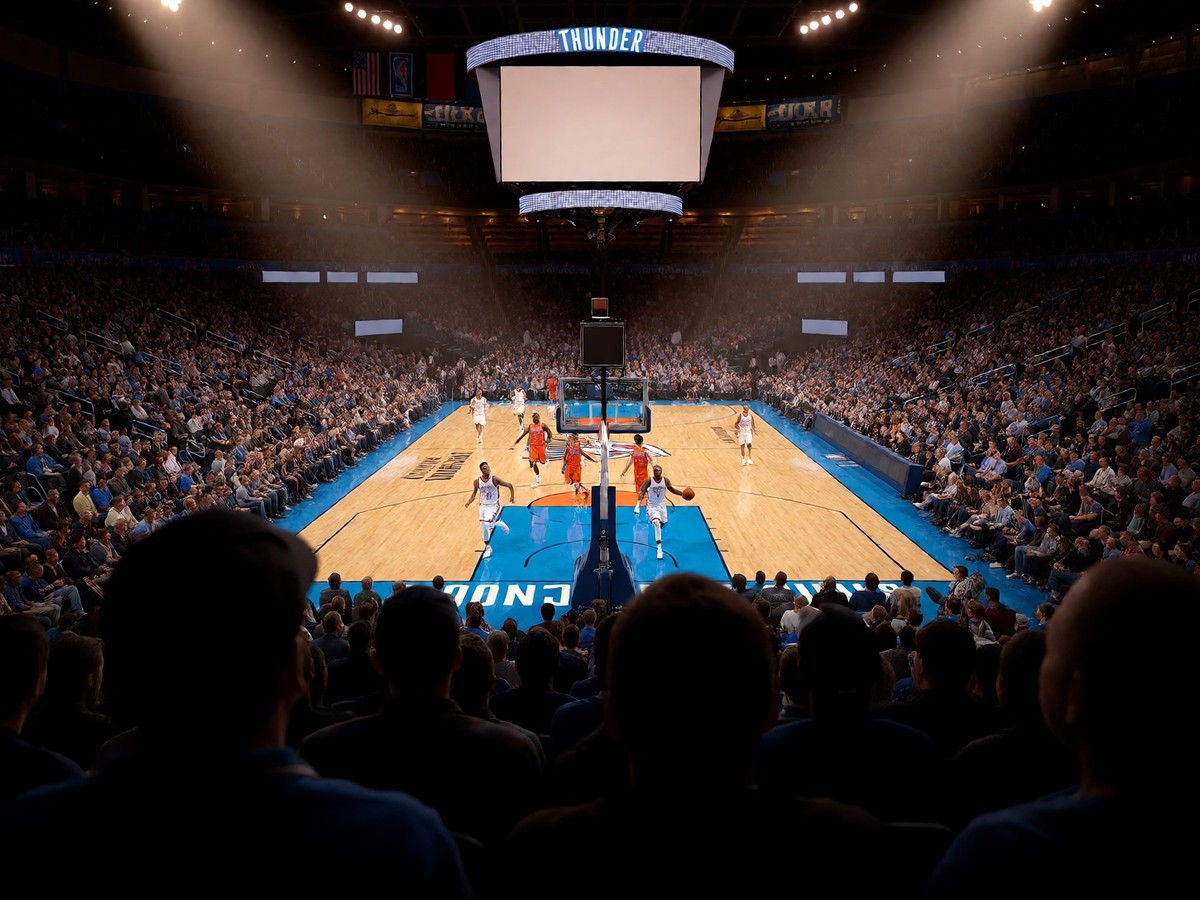
New restrictions on star player rest
The NBA Board of Governors unanimously voted to approve tougher resting policy rules and punishments for star players who sit out games, including those in nationally televised games and in-season tournaments. This policy targets stars, defined as players who made an All-Star or All-NBA team in any of the three previous seasons. Teams must manage rosters so no more than one star player is unavailable for the same game. The league also requires that healthy players resting for a game remain present and visible to fans. If a team needs to limit a star’s participation, they must provide written information to the NBA at least one week in advance. The league allows exceptions for players aged 35 or older on opening night, those with 34,000 regular-season minutes, or those with 1,000 total games played. Teams may also seek approval for stars based on unusual injury history or personal reasons. The NBA goal is to strengthen the initial player resting policies and ensure star players participate in nationally televised games.
| Rule/Condition | Specific Detail |
|---|---|
| Age Exception | 35 on opening night |
| Career Minutes Exception | 34,000+ minutes |
| Career Game Exception | 1,000+ games |
| First Violation Fine | $100,000 |
| Second Violation Fine | $250,000 |
| Subsequent Fine Increment | $1,000,000 |
How zero rest affects team performance
Teams win only 44% of games on the second night of a back-to-back, compared to 51% with standard rest. The collective average NET rating dropped by 1.5 points in the 2025-26 season. The Oklahoma City Thunder underperformed the most on the second night of a back-to-back and finished 7-7 with a 0.3 NET rating versus their 11.5 season-long rating. You should know that the Denver Nuggets maintained a 120.5 offensive rating while going 11-6 on zero rest. The San Antonio Spurs also handled the schedule well and posted a 105.5 defensive rating on back-to-backs while opponents shot 51.8% effective field goal percentage. The Detroit Pistons averaged 6.4 blocks per game and held a 108.7 defensive rating on zero rest, while reserve Paul Reed was the league’s top player in NET rating on the second night of back-to-backs. The Philadelphia 76ers saw their season-long NET rating of 0.4 jump to 6.2 on zero rest. Even Utah saw its season-long NET rating improve from -8 to -2.9 when playing without rest.
Scheduling red flags and integrity fines
The Utah Jazz received a $500,000 fine for conduct detrimental to the league after they sat Lauri Markkanen and Jaren Jackson, Jr. in the fourth quarter of two games. The Indiana Pacers received a $100,000 fine for violating the Player Participation Policy after the league determined Pascal Siakam and two other starters were medically eligible to play. The Brooklyn Nets face a difficult schedule with 16 back-to-backs, including four between Thanksgiving and New Year’s. Dallas also has 16 back-to-backs, with 10 occurring before February. The Mavericks tied for last in effective field goal percentage on the second night of back-to-backs last season, and this scheduling could make things harder for Dallas. December is the worst month for back-to-back success, as teams historically went 133-189 during that period. Lottery teams struggled in the final third of the 2025-26 season, going 91-211 on zero rest. Miami added Giannis Antetokounmpo and Klay Thompson to a frontcourt that includes Bam Adebayo and has only 13 back-to-backs this season. The Knicks also have 13 back-to-backs, including two in December and more after February 1. Will these increased fines stop teams from prioritizing draft position over winning?