Andy Reid versus Sean McVay red zone tactics
Andy Reid utilizes unconventional formations like the Heisman play to address Kansas City's 46.3 percent red zone touchdown rate. Sean McVay maintains a higher 51.39 percent conversion rate for the Los Angeles Rams through strict player accountability and efficiency.
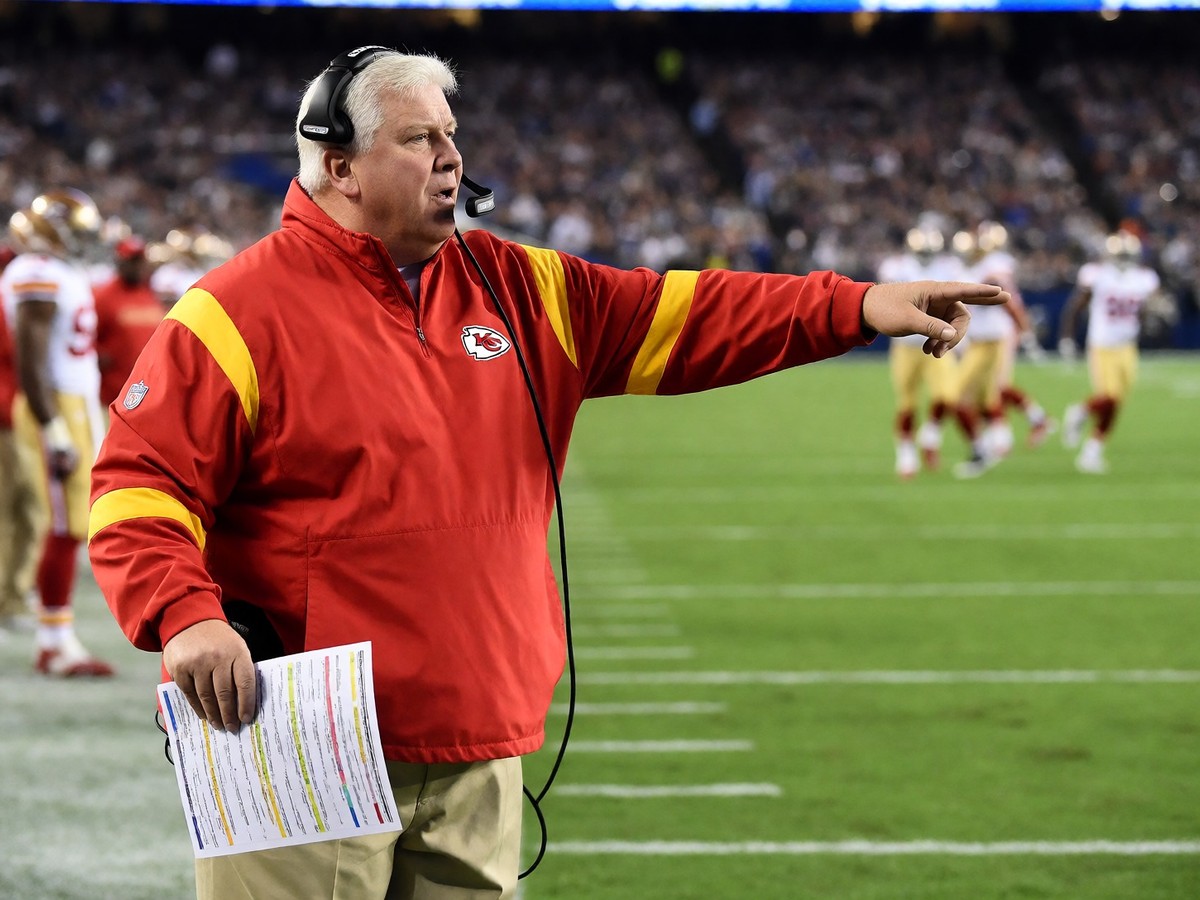
Reid uses old school tricks to fix scoring
Kansas City reached 31 points in their 31-10 season opener, a rare offensive output that occurred only five times over the last two seasons. Kenneth Walker ran for 173 yards in his debut for the Chiefs, marking the highest single-game rushing total for a Kansas City back since Jamaal Charles rushed for 226 yards in December 2012. The offense used a play called Heisman to score a touchdown just inside the beginning of the fourth quarter with a 24-10 lead. This play draws from a 1936 film that Mahomes and his teammates watched on a scratchy, black-and-white tape. Every offensive player started the play with a hand in the dirt. Mahomes and Fields squatted down. Kelce and Walker also participated. A direct snap to Mahomes, who popped out of his stance, led to a run left to flip the ball forward to Walker, who followed the pulling block of Jaylon Moore and Kelce to score his second touchdown of the night. This creative touchdown helped the team go 3-for-4 in the red zone during the game. The Chiefs score touchdowns on 46.3 percent of trips inside the 20, which ties the team for 27th in the league. The baffling inability to score touchdowns when they get into the red zone remains the ugliest part of their inconsistent offense. Mahomes continues his recovery from an ACL tear while the team manages the availability of Rashee Rice.
McVay relies on accountability and efficiency
The Los Angeles Rams record is 7-6 following a rebound from a 1-4 start. Sean McVay holds an all-time December record of 23-11 and a 10-7 record in January. He demands accountability, which includes fining Tyler Higbee for being late to a meeting. McVay also watches practice film to ensure players touch the line during sprints. When players do not conduct themselves properly on the field, McVay fines them. He also sits down with players like Sammy Watkins to discuss game film and individual opportunities after the Seattle game. During a game against the Giants, McVay and his staff ran to the locker room to stop a scuffle from forming before halftime. The offense uses Jared Goff and has seen Todd Gurley return to his Rookie of the Year form. This success follows a 2024 postseason where Matthew Stafford threw for 533 yards and 4 touchdowns while taking 7 sacks. The Rams produce 106 touchdowns over 34 games. Their red zone scoring percentage is 51.39 percent. You should look at how McVay manages his roster through these strict standards. The Rams have won six of their last eight games.
The winner of the schematic gamble
The comparison between these two coaches centers on how they handle scoring in tight spaces.
| Team | Red Zone TD% |
|---|---|
| Kansas City | 46.3% |
| Los Angeles Rams | 51.39% |
Reid’s adjustment involves injecting novelty into a run-heavy system to solve a specific deficiency by using unconventional formations. His use of the Heisman play targets the compressed space of the 20-yard line through unorthodox stances. McVay relies on a system that produced 106 touchdowns and leverages high accountability to keep players focused. While the Rams hold a higher red zone conversion rate, the Chiefs’ 3-for-4 efficiency in the opener suggests Reid’s creative shift works. Reid’s ability to find new ways to score prevents the offense from becoming stagnant. He tells reporters he wants to provide a different flavor every year. Kansas City sits at 10-3 and holds the tiebreaker in the AFC West due to two wins over the Raiders. Can McVay maintain this level of production if his veteran offensive line faces more injuries? Reid’s 2026 red zone adjustments come out ahead because they provide an immediate solution to a persistent scoring problem that plagued the team over the past two seasons.