How NFL flex scheduling rules change Sunday Night Football
The NFL uses flexible scheduling to move high-quality matchups into primetime slots, providing 6 to 21 days of notice depending on the week. This process allows the league to prioritize games with playoff implications, such as the Week 12 move involving the Chargers and Patriots.
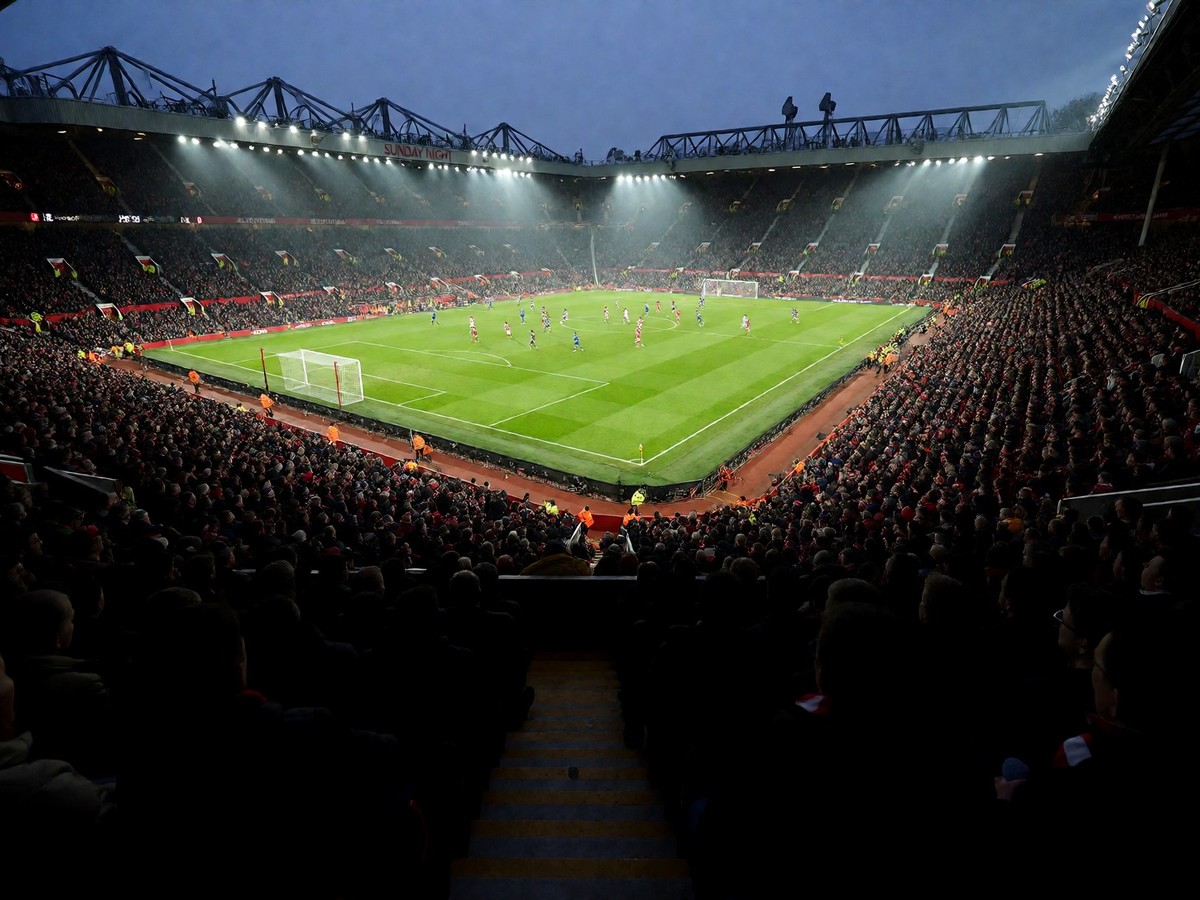
The NFL uses flexible scheduling to move Sunday afternoon games into prime time slots to ensure higher quality matchups. This procedure allows surprise teams to play their way onto national broadcasts. For the 2026 season, the league applies flex scheduling to Sunday Night Football, Monday Night Football, and Thursday Night Football. Only Sunday afternoon games or games listed as TBD qualify for these shifts. When the league moves a game into a night slot, the originally scheduled night game moves to a Sunday afternoon window. The NFL continuously reviews its scheduling procedures to ensure exciting and meaningful games are available for viewing by the largest number of fans. The tentatively scheduled prime-time games are generally listed at 8:20 p.m. ET on Sunday, 8:15 p.m. ET on Monday, and 8:00 p.m. ET on Thursday. The NFL scheduling formula ensures that all teams will play every team from every division in the other conference once every four years.
| Prime Time Window | SNF Flex Limit | MNF Flex Limit | TNF Flex Limit |
|---|---|---|---|
| Weeks 5-10 | 2 times | None | None |
| Weeks 11-12 | Any week | None | None |
| Weeks 13 | Any week | Any week | 2 times |
| Weeks 14-17 | Any week | Any week | 2 times |
Notice requirements and windows
Since 2023, the NFL can move games from Sunday afternoon to either Monday or Thursday nights. The league must provide advance notice before it flexes a game. The notice period ranges from 6 to 21 days depending on the specific week and broadcast window. The NFL decides and announces the Sunday Night Football matchups for Weeks 5 through 13 no later than 12 days before the game. For Sunday Night Football games in Weeks 14 through 17, the league makes the decision generally no later than 6 days before kickoff.
| Game Window | Notice Period |
|---|---|
| SNF (Weeks 5-13) | 12 days |
| SNF (Weeks 14-17) | 6 days |
| MNF (Weeks 12-17) | 12 days |
| TNF (Weeks 13-17) | 21 days |
The NFL makes its decision on which game will be played on Sunday night and which will be played on Monday night no later than 12 days in advance for most games during the flex window. For Monday Night Football, flexibility is available from Weeks 12 through 17. Thursday Night Football can be flexed up to two times between Weeks 13 and 17, and no team is required to flex to a Thursday night game more than one time. Week 18 scheduling differs because the league does not assign Saturday, Sunday afternoon, or Sunday night slots in advance. The league announces the Week 18 schedule at the conclusion of Week 17 once it knows which games carry playoff implications. For a Week 8 flex, the league must make a decision no later than Oct. 20. Most Sunday games in the flex windows are listed at 1:00 p.m. ET, except for games played in the Pacific or Mountain time zones, which are listed at 4:05 or 4:25 p.m. ET.
Logistical issues and scheduling mismatches
The flex scheduling system creates logistical headaches and travel expenses for fans. The league prioritizes large audiences over the convenience of in-stadium fans. You should check your local listings frequently if you buy tickets for Sunday games in November. In Week 11, the Raiders host the Cowboys during the Monday night game. This matchup remains in a standalone window despite many better Sunday afternoon games like Seahawks-Rams being stuck in regional windows.
The Week 12 flex announcement in 2025 moved the Los Angeles Chargers and New England Patriots into a primetime slot because they combined for 25 wins. The Cleveland Browns and Las Vegas Raiders, who combined for only 8 wins the previous season, were moved out of the primetime window. This Week 12 decision was the first time a primetime game was moved during that season.
The NFL schedule makers must consider broadcast partners and fans when building the 272-game schedule. Thousands of cloud-based computers produce possible schedules. Schedulers also account for stadium events that create traffic or logistical nightmares. For the 2026 season, the NFL will play nine regular season games outside of the U.S., including games in Melbourne, Australia, Paris, Rio de Janeiro, London, Madrid, Mexico City, and Munich. Even with these tools, the league still ends up with late-season duds in prime time. The Cleveland Browns will experience their first Sunday Night Football game since 2021 due to a Week 12 flex. In the same week, the NFL announced a time switch for the AFC South matchup between the Jacksonville Jaguars and the Tennessee Titans. In Week 11, the Raiders host the Cowboys during the Monday night game, while better games like Buccaneers-Bills or Bengals-Steelers remain in the afternoon. The Raiders currently have four wins, and the Cowboys have a 5-6 record. Why does the league allow mediocre matchups to occupy these precious standalone windows?