Risks in Pittsburgh’s AFC North title defense
Pittsburgh faces defensive secondary depth issues following the trade of Joey Porter Jr. and an injury to Jamel Dean. The Steelers must also contend with a Browns surge led by Myles Garrett, who accounts for 45% of Cleveland's sack production.
Defensive depth concerns
The Steelers’ defensive stability is the best part of their 6-2 record. This stability helped the team secure a 27-6 victory against the Browns on November 1. Jaylen Warren led the rushing attack with 143 yards during that contest. He has recorded two or more receptions in 14 of his 15 games this year. The offense also benefits from Aaron Rodgers, who has thrown eight touchdowns in fourth-quarter situations. The offense utilizes 11 Personnel at a 35.7% rate. I identify the secondary depth as the biggest risk for Pittsburgh. The team traded Joey Porter Jr. to the Dallas Cowboys and lost Jamel Dean to an ankle injury. The Steelers secondary faces immediate pressure because the departure of Joey Porter Jr. to Dallas and the ankle injury to Jamel Dean left the unit thin after the team signed two veterans from various practice squads. To address this, the team signed Sean Murphy-Bunting and Terell Smith. Murphy-Bunting recorded a 56.5 defensive grade in 2024. Smith earned defensive grades of 69.6 and 78.5 during his time with the Bears. The Steelers remain the only team in the league with two running backs with 900+ scrimmage yards.
The Browns surge
The Browns’ defensive pressure is the most effective part of their 5-3 surge. They have won five games through fourth-quarter drives led by Deshaun Watson. Cleveland relies on Myles Garrett, who accounts for 45% of the team’s sack production with 22 sacks. The Browns defense allows the second fewest passing yards per game at 185.6. This defensive success meets a Steelers offense that produces 101.7 rushing yards per game. The Browns also lead the league in sack percentage and record a sack on 10.2% of opposing dropbacks. The Steelers lead the Bengals by a half-game in the AFC North. The Bengals hold a 5-2 record.
| Team | Record | Division Record |
|---|---|---|
| Steelers | 6-2 | 2-1 |
| Bengals | 5-2 | 1-1 |
| Browns | 5-3 | 2-1 |
| Ravens | 4-4 | 0-2 |
The Browns produce 96.9 rushing yards per game. The Steelers lead the division with a 2-1 record in division play. Deshaun Watson’s fourth-quarter drives have been essential to five Browns wins. The division race remains tight as the Steelers hold the head-to-head tiebreaker over Cincinnati. The Browns allow 16.4 points per game, which ranks 31st in the league. Cleveland produces 5.57 yards per attempt, the lowest in the NFL. The Steelers hold a +9-turnover differential. The Browns sit at -6. The Browns allow 15 more touchdowns than their opponents this season. Will the Browns’ defensive pressure prevent the Steelers from running away with the division?
Sideline rules and rivalry history
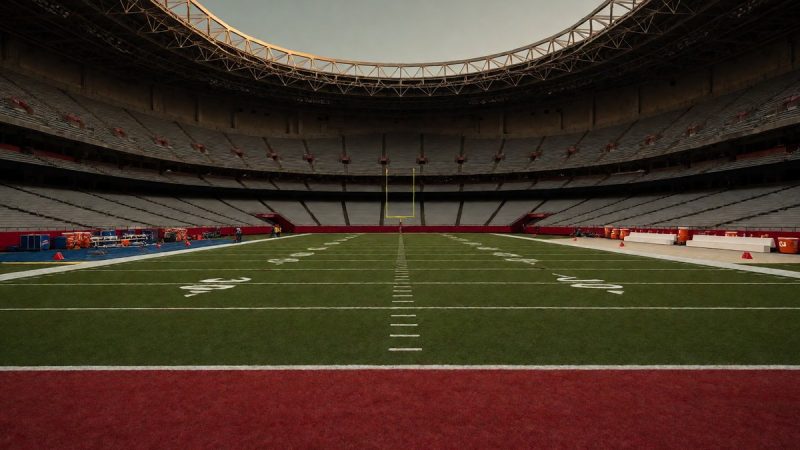
The Steelers’ historical dominance in the rivalry remains a clear advantage. The Steelers lead the overall series against the Browns 84-66-1. The rivalry remains the oldest in the AFC. The Browns allow 104 points off turnovers this year. Pittsburgh has scored 98 points off turnovers. You should note the dominance of Myles Garrett, who has nine straight games with at least half a sack. The rivalry involves the Youngstown television market, which serves both teams. Travel between the two cities involves the Ohio Turnpike and Pennsylvania Turnpike. NFL regulations require a six-foot wide white border along all sidelines and end lines. Coaches must remain behind a solid yellow line that sits six feet behind the solid border in the bench area. This yellow line measures eight inches wide and two feet long. A broken white border also marks the sideline three feet inside the nine-foot four inch broken yellow border. The Browns’ rookies have played more snaps than any team in the NFL. Cleveland’s early history includes winning the first eight meetings of the rivalry.