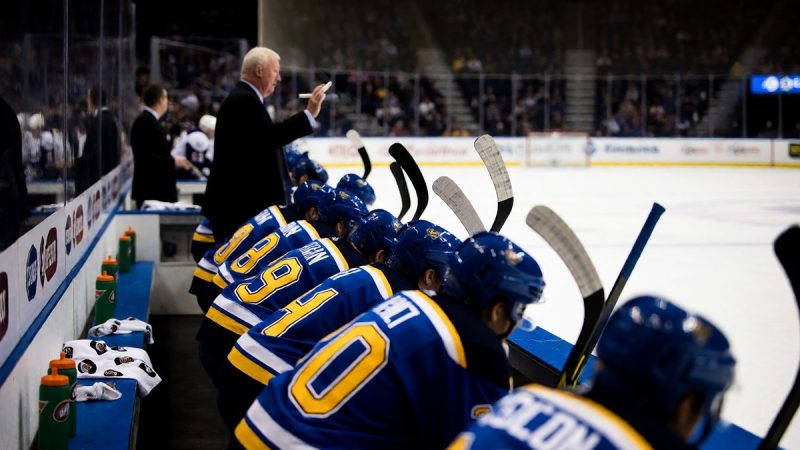
Rick Tocchet’s Canucks defensive zone coverage system
Rick Tocchet utilizes a box-plus-one setup to protect the high-danger home plate area in front of the net. The system relies on forwards skating forward to defend and requires players like Pettersson to maintain positional discipline to avoid leaving the weak side open.
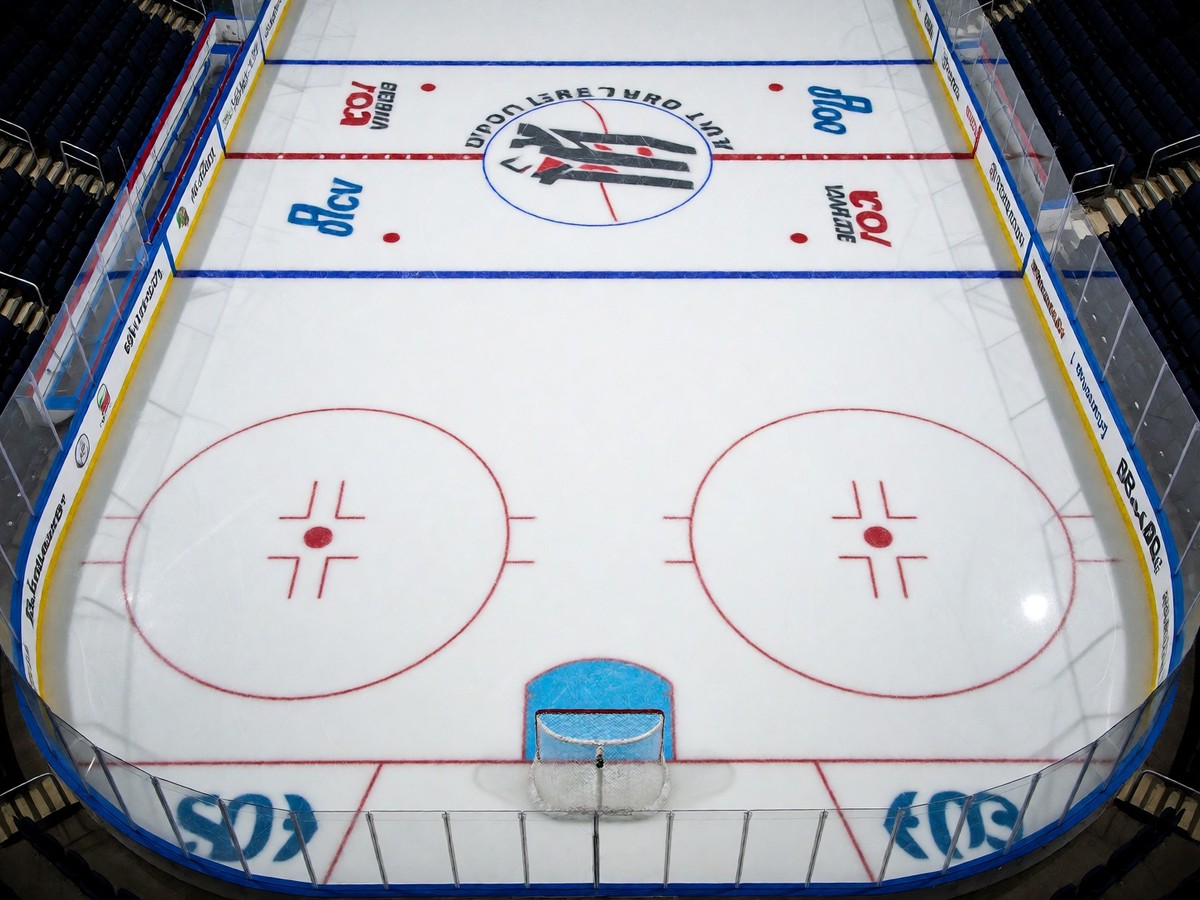
The box-plus-one setup
The box-plus-one setup provides a reliable structure for the five-man defensive unit. This arrangement protects the "home plate" red area where high-danger scoring chances occur. Defenders concede the blue region along the perimeter, which contains the low-danger or "soft" areas from the blueline to below the faceoff dots. The defending center carries a large responsibility alongside the left and right defensemen to cover the net front. The approach fails if wingers lose track of opposing defensemen moving into the higher sections of the danger areas. This strategy focuses on keeping the area in front of the net clogged while allowing the defense to pressure the perimeter.
| Component | Target Area | Correct Action |
|---|---|---|
| Center | Home plate | Hold position at faceoff circle |
| Wingers | Perimeter | Angle body to cut off lane |
| Forwards | Neutral zone | Deflect puck immediately |
The strategy minimizes scoring chances from high-danger red areas. If the unit stays connected, the defense functions well.
Forwards must skate forward to defend
Aggressive movement in the neutral zone helps the team maintain its shape. Tocchet tells his players to skate forward to defend rather than skating backwards. He wants his forwards chasing down the opposition to harry their efforts to move toward the Canucks’ end of the ice. The team uses a two-man push during the forecheck to make it difficult for opponents to exit the zone with puck control. If the forwards backcheck hard, the defensemen can apply more pressure to attacking players. Ian Cole noted that the unit functions better when forwards help, creating a cascade effect that allows defensemen to apply pressure.
The system works best when the defending center works jointly with the left and right defensemen to cover the net front area, ensuring that opposing players cannot easily penetrate the high-danger red zone to create scoring opportunities. You already know the basics of zone entry, but these specific nuances are where the game is won or lost. Pettersson struggles with the timing of this movement. He enters the zone too early, which forces defensemen to adjust their positioning unexpectedly. This premature entry gives the opposing team time to set up their attack before the Canucks establish their defensive shape.
Precision in the defensive zone
The system demands precision in every aspect of play. Pettersson often drifts too far toward the slot when checking the puck carrier, which leaves the weak side open for opposing wingers to exploit. This error in gap control happens when he fails to hold his position at the faceoff circle. In 4-on-4 scenarios, he must hold his ground at the faceoff circle instead of chasing the play. Chasing the play opens passing lanes directly to the net front. He also frequently waits for the puck to settle instead of aggressively clearing it out of the danger area after a rebound. The correct technique requires him to use his stick to deflect the puck away immediately upon contact with the boards. He should also angle his body to cut off lanes for weak side coverage.
Communication errors also cause issues. Pettersson often fails to communicate his coverage assignments to his defenseman before entering the zone. This lack of verbal coordination creates confusion about which player covers which opponent. The defenseman might assume the forward covers the pinched winger, leaving that player free to make a move. The difference between a successful shift and a turnover lies in these small adjustments involving positional discipline and communication. Will these habits become automatic for the team?