Taylor Fritz 2026 Davis Cup workload risks and knee injury
Taylor Fritz faces significant risks in his 2026 Davis Cup preparation due to persistent right knee tendonitis that causes daily performance volatility.
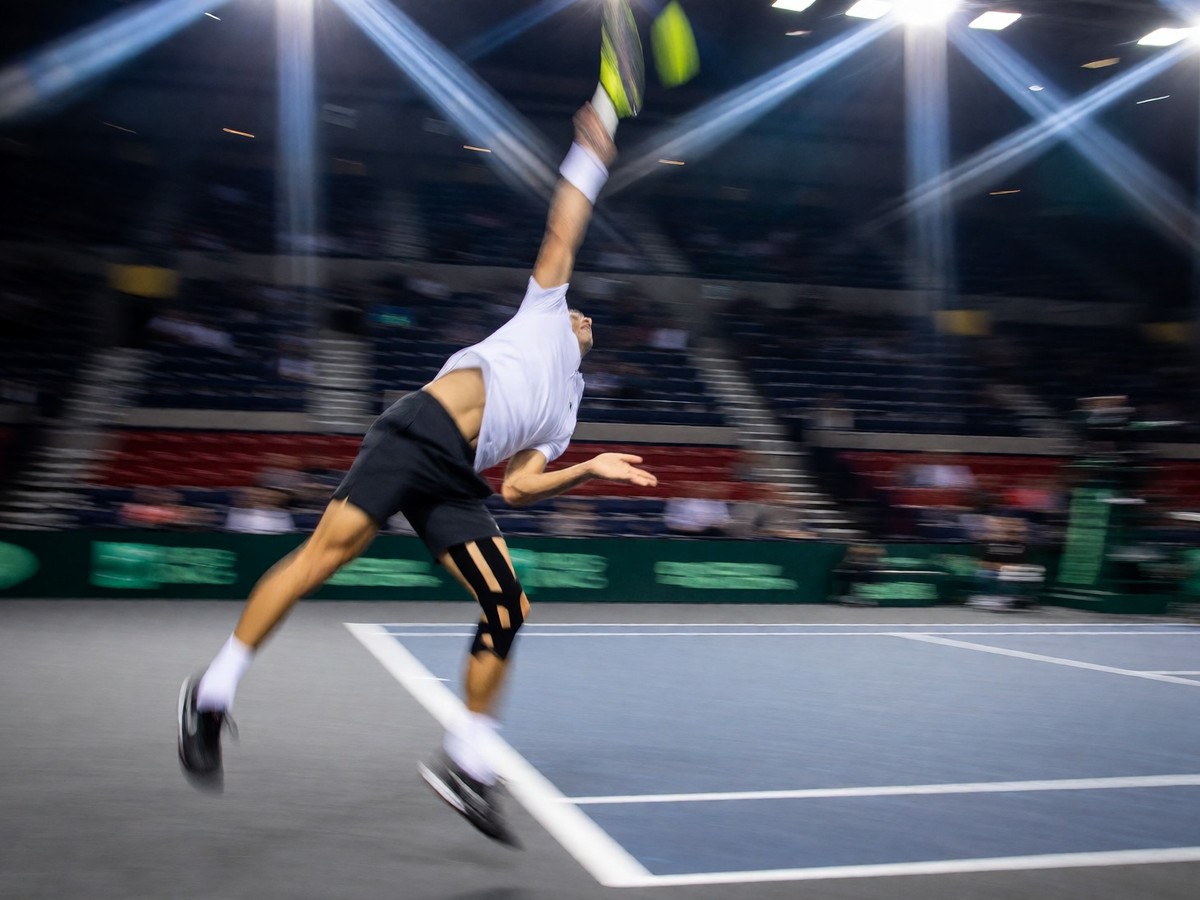
Fritz’s 2026 campaign has been defined by a persistent right knee tendonitis that disrupts his rhythm and movement on court. After claiming two ATP titles and reaching the Wimbledon semifinals in 2025, he entered the new season with high expectations but quickly suffered early exits at major tournaments. His results include a fourth-round finish at the Australian Open, a third-round exit at Indian Wells, and another fourth-round departure in Miami. This inconsistency stems from an injury that fluctuates daily, making it difficult to predict how his body will respond during intense competition.
Unpredictable physical limits
The core risk lies in the "day-to-day" nature of his condition, which prevents consistent momentum building. In Dallas, Fritz felt amazing and moved without restriction, yet by the lead-in to Indian Wells, he reported feeling like he had regressed slightly. He described the pain as coming and going, noting that one day he feels incredible while the next is awful. This volatility creates a dangerous environment for a player who relies on explosive movement and powerful groundstrokes. If he plays through a bad flare-up, the damage could compound, especially given his history of managing similar issues poorly in previous years.
Strategic scheduling conflicts
Fritz explicitly stated that if improvements are not seen after Miami, it might be time to slow down and let the injury heal completely. He identified the clay-court season as the ideal period to miss, citing it as his least productive surface where fewer points are defended. However, skipping this window raises questions about his readiness for the fall hard-court swing leading into the Davis Cup Finals. You know he plays one of the busiest schedules on tour, having logged over 70 matches in recent seasons, so adding more events without full recovery increases fatigue. The Davis Cup requires sustained performance across multiple days, a demand that clashes with his current inability to land or push off his knee with force.
His team must decide between pushing through the autumn schedule or resting now to ensure peak fitness for November. Playing the full calendar risks further degradation of his game, particularly at Masters 1000 events where he has struggled to reach deep rounds recently. Conversely, missing too much time could cost him ranking points needed to secure top seeds. The decision hinges on whether his knee can handle the travel and match intensity required for late-season success. Will he prioritize immediate competitive exposure or long-term health?