UFC November 2026 scheduling changes European arena booking
UFC's November 2026 Doha event highlights a shift toward earlier venue bookings and flexible policies amid European tour cancellations. The promotion's multi-fighter model offers financial stability, with London selling out in 36 hours, unlike single-artist tours facing health-related delays.

The UFC Fight Night scheduled for Saturday, November 21, 2026, takes place at ABHA Arena in Doha, Qatar, with the main card starting at 9:00 PM GMT+3. This specific date lands during a period of intense volatility for European live events, where major artists have repeatedly canceled tours due to health issues or logistical failures. I see this as a clear signal that promoters must now secure venues earlier and offer more flexible cancellation policies to protect revenue. The promotion’s global expansion has made international dates essential, but the current climate demands a different approach to arena management.
The pressure on venue reliability
European arenas are currently facing a wave of cancellations that directly impacts their ability to host high-profile sporting events. Deep Purple postponed all remaining 2026 European concert dates after Ian Gillan suffered a medical emergency in Leipzig, citing "very serious risks" if he continued touring. Similarly, French Montana and D-Block Europe canceled shows in Amsterdam, Vienna, and Copenhagen without providing detailed explanations, leaving fans and venues scrambling for refunds. These incidents show that relying on single-artist draws is risky, especially when the artist’s health or personal schedule becomes unstable.
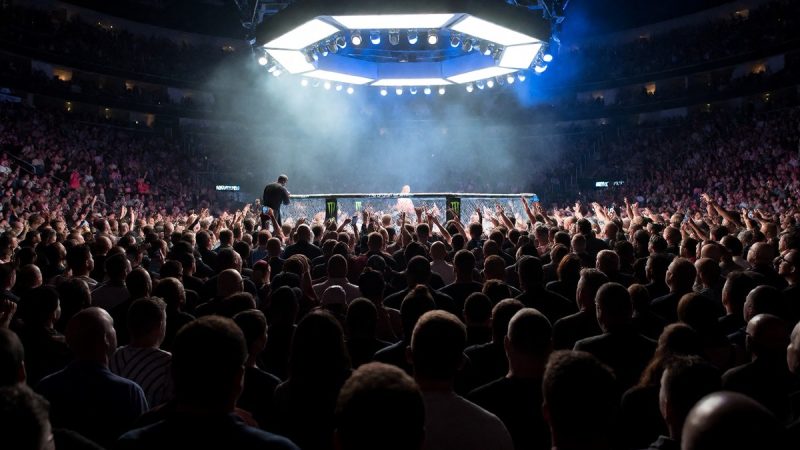
The UFC avoids some of these pitfalls by selling tickets for multi-fighter cards rather than single headliners. For instance, the London event at The O2 Arena sold out in just 36 hours, generating a live gate of $2,056,000 with 14,604 attendees. This rapid sellout indicates strong demand that is less dependent on one individual performer. However, the recent Mexico City event drew only 16,454 people, leaving roughly 3,500 seats empty despite being headlined by two-time champion Brandon Moreno. That shortfall was partly attributed to civil unrest in Jalisco, proving that external political factors can still disrupt attendance regardless of the fighter roster.
| Event | Venue | Attendance/Status | Key Factor |
|---|---|---|---|
| UFC London (O2) | London, UK | Sold out in 36 hours | Strong local talent |
| UFC Mexico City | Arena CDMX | 16,454 (non-sellout) | Civil unrest |
| Deep Purple Tour | Various EU Cities | Postponed | Medical emergency |
Strategic shifts in international booking
The UFC’s 2026 calendar includes more overseas stops than ever before, with confirmed events in Baku, Abu Dhabi, and returns to London and Australia. This density forces promoters to negotiate better terms with venues, including guaranteed minimums and stricter liability clauses. The partnership with Paramount for exclusive streaming rights, valued at $7.7 billion, adds another layer of financial security that helps offset the risk of lower physical attendance. When an event streams globally, the value of the arena booking shifts from pure ticket sales to brand visibility and local hospitality packages.
I would advise venue managers to prioritize events with multiple marquee names over single-star concerts. The UFC’s model of stacking contenders and champions on one card creates a safety net; if one fighter withdraws, others can fill the slot. In contrast, the Foo Fighters had to cancel four European dates after Dave Grohl broke his fibula, leaving those venues with no replacement act. The UFC’s ability to quickly slot in replacements, like Lone’er Kavanagh in Mexico City, demonstrates a level of operational flexibility that music tours rarely possess. This adaptability makes MMA events a more reliable source of income for large arenas navigating the unpredictable landscape of 2026.