AI technology and data refine Brazilian volleyball training
Hawk-Eye technology provides statistical ball trajectories to assist Brazilian volleyball training. Middle blocker Ana Carolina da Silva utilizes technical refinements in takeoff velocity and block timing to optimize performance against various attack tempos.
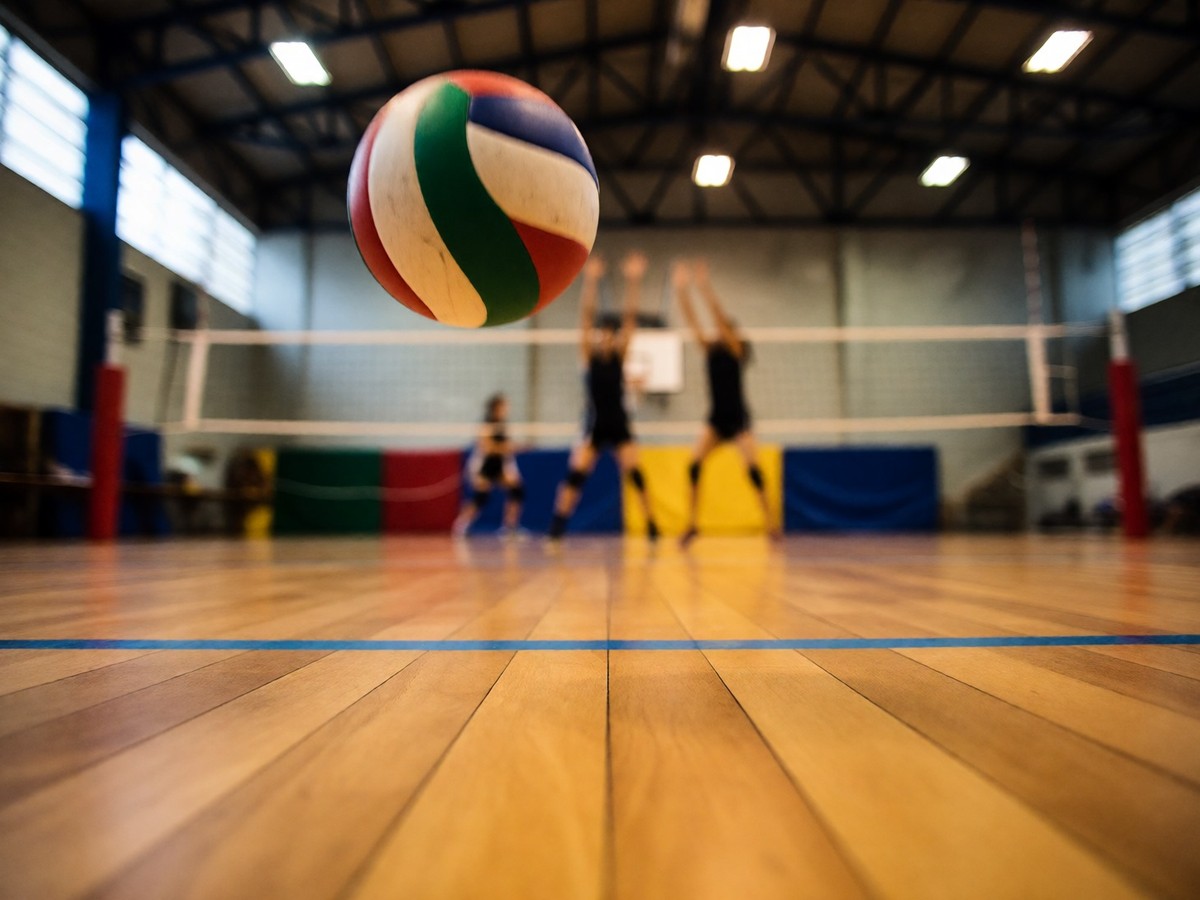
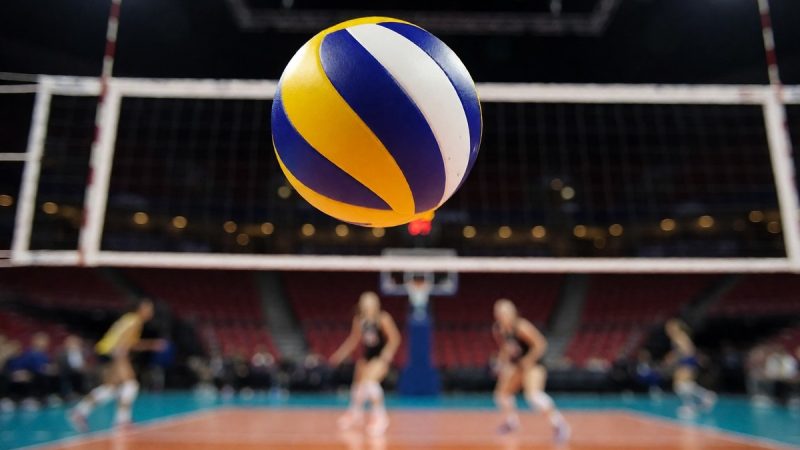
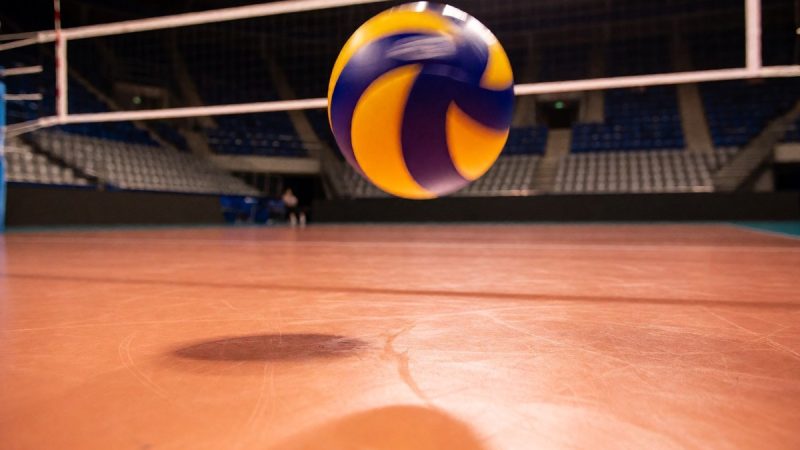
Hawk-Eye technology tracks the trajectory of the ball using a computer system to provide statistical paths for training. This tool helps coaches develop training aids and provides visual representations of player tactics. Analysts use these visual insights to identify how players react to different attack tempos. This data-driven approach changes how teams prepare for international competitions. You already know that elite performance requires constant technical adjustments. Hawk-Eye monitors the trajectory of the ball throughout the entire duration of gameplay to provide better data. It was originally developed as a replay system for TV broadcast coverage. This technology allows officials to make quick and accurate decisions to interrupt play as little as possible. In professional sports, it helps broadcasters create insights on player tactics. It provides a statistical path as a moving image to aid decision-making. This level of precision helps players work on fine margins. While the technology helps with player movement maps, scientific literature lacks reference values for technical-tactical performance of blocks and court defenses regarding opponent spike tempo.
Block timing and technical refinement
Ana Carolina da Silva refines her middle blocker performance by managing the relationship between takeoff velocity and block timing. The 1.83m player averaged 1.07 stuff blocks per set in 2015 and achieved a 309 cm block height. The kinematics of lower limbs during blocking show significant differences in the buffer and immobilization phase, which proves that takeoff velocity determines the height reached over the net and the duration of the aerial phase. Because block performance depends on the opponent’s attack tempo, middle blockers must adjust to first, second, or third tempo spikes. In senior categories, first and second tempo blocks increase significantly while third tempo blocks decrease.
| Player Profile: Ana Carolina da Silva | Data |
|---|---|
| Height | 1.83 m |
| Block Height | 309 cm |
| Spike Height | 316 cm |
| 2015 Stuff Blocks | 1.07 per set |
Block performance also depends on anthropometric features like height and weight, as well as reaction time. Quick attacks have greater efficiency because they limit defensive movements and force defenders to react in the shortest possible time. Strengthening the hip joint maintains stability during the immobilization phase. For specialists like da Silva, who won Best Middle Blocker awards in 2013 and 2015, technical execution depends on the ability to intercept the opponent. The ability of a player to reach over the net is necessary for appropriate technical-tactical execution. In senior categories, the percentage of block points increases compared to youth levels. For Carol, who earned several Brazilian Women’s Volleyball Superliga "Best Blocker" titles, this technical mastery is a requirement. The relationship between attack tempo and defensive performance is complex. In the national senior category, the evolution of third tempo blocks shows a statistically significant decrease in errors due to faults and negative blocks. In 2015, she averaged 1.07 stuff blocks per set, which placed her just behind Maja Poljak’s 1.19. This history of success provides a foundation for her technical adjustments in the middle.
The 2026 Championship in Sao Paulo
The 19th edition of the FIVB Volleyball Women’s Club World Championship occurs in Sao Paulo from December 8 to 13, 2026. The Wlamir Marques Multi-Sports Gymnasium hosts eight clubs. Osasco Sao Cristovao Saude, the host club, includes players like Anastasia Guerra and Magdalena Stysiak. The competition follows previous editions held in 1991, 1994, and 2025. The eight teams divide into two pools of four. The top two teams from each group advance to the semi-finals on December 12. The bronze-medal match and final occur on Sunday, December 13. Ticket pre-sales for the 2026 competition began on August 8 through Ticketmaster. Fans can buy all-match passes that include an event T-shirt, cup, lanyard, and pin. The tournament contains clubs from South America, Europe, Asia, and Africa. SESI Volei Bauru, the second Brazilian representative, won the South American Club Championship in Lima, Peru, in February. Club Alianza Lima will also compete for the second consecutive year. The pool phase matches take place on December 8, 9, and 10. Do these clubs utilize the same AI trajectory tracking used in training to analyze match play?