Pool expansion forces massive scheduling shifts
The 2026 FIVB Volleyball Nations League expands the men's tournament to 18 teams, increasing the total match count to 116. This growth necessitates complex logistical coordination across 10 host cities to manage frequent travel between locations like Linyi, Gliwice, and Chicago.
The 2026 FIVB Volleyball Nations League expands the men’s tournament to 18 teams, which increases the total match count to 116. This growth changes how organizers manage travel and venue logistics across the three preliminary weeks.
Increased match density and travel legs
The expanded format requires more complex coordination because each of the 18 teams plays 12 matches over three weeks. In the 2026 men’s competition, the schedule places teams in different host cities every week. For example, the China men’s team travels from Linyi in Week 1 to Gliwice in Week 2 and finally to Chicago in Week 3. This constant movement demands high levels of logistical precision. The tournament uses a points system where teams play one leg each week.
The sheer volume of matches puts pressure on the availability of international venues. The 2026 men’s schedule utilizes 10 host cities to accommodate the 116 matches. This distribution spreads the event across diverse locations like Belgrade, Serbia, and Osaka, Japan. While this provides more fans with local access, it complicates the movement of officials and equipment. You might find the logistical burden heavy when comparing this to the 2023 edition where 16 teams played 104 matches.
| Feature | 2023 Men’s VNL | 2026 Men’s VNL |
|---|---|---|
| Total Teams | 16 | 18 |
| Total Matches | 104 | 116 |
| Preliminary Weeks | 3 | 3 |
Venue capacity and regional demands
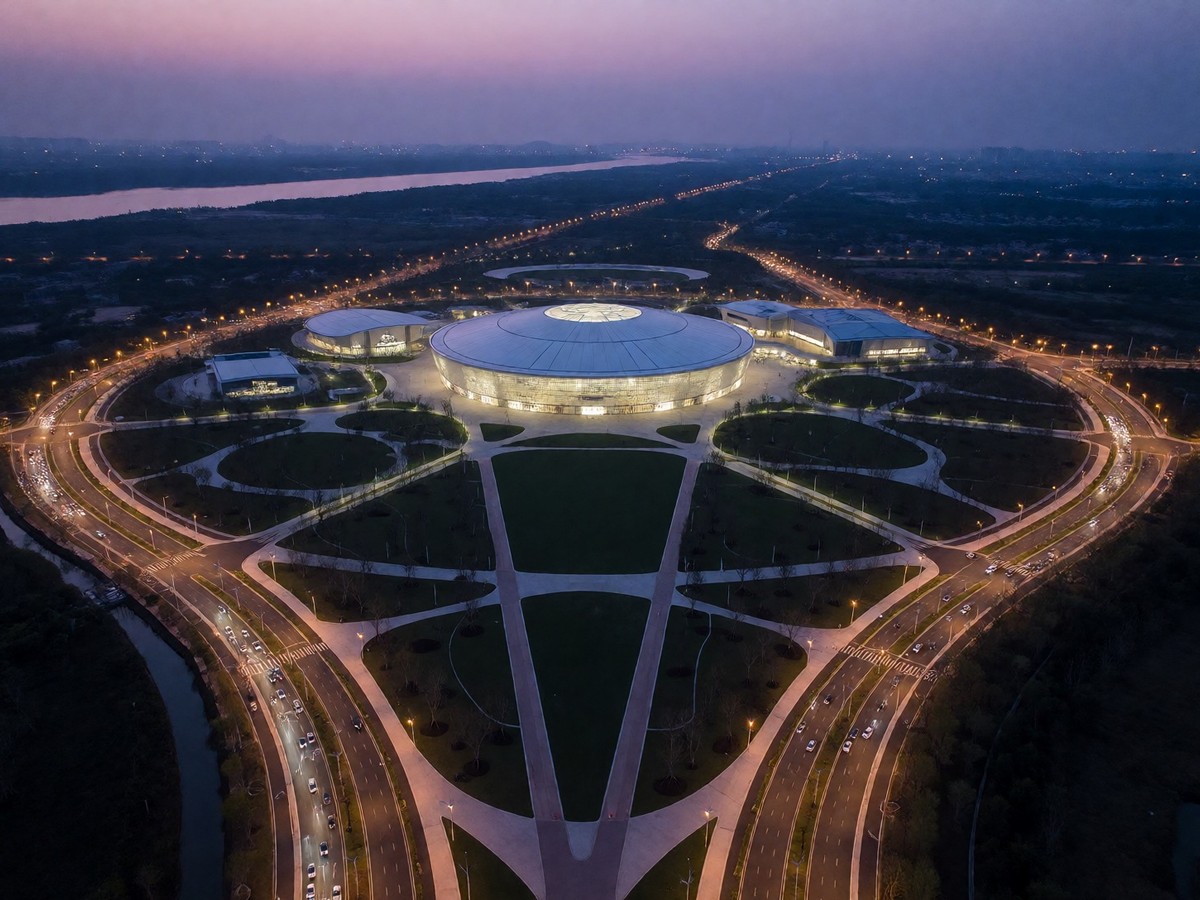
Organizers must select arenas that handle specific attendance targets and regional interest. The 2026 men’s final round takes place in Ningbo, China, following the preliminary rounds held in various global hubs. In the women’s preliminary phase, the Nanjing leg features teams like China, Belgium, the Czech Republic, Poland, Serbia, and Thailand at the Nanjing Youth Olympic Sports Park Gymnasium. This venue holds 21,000 people.
The scheduling also accounts for specific team rosters and time zones. The China women’s team faced the Czech Republic, Thailand, and Poland in Nanjing during the first week. They then moved to Ankara, Turkey, for the second week to face Germany, France, Brazil, and Turkey. These transitions require managing players across vastly different time zones. Does the increased number of teams create too much fatigue for the athletes? Canada faced relegation in the 2026 men’s tournament after finishing with only one win and eleven losses.