Economics of Riyadh Season Boxing Investment
Riyadh's boxing investment model balances scarce resources against 5 million annual tourists and 500 relocated firms. Strategic value is tested by airport disruptions that raise security costs and complicate return on investment calculations for international sponsors.
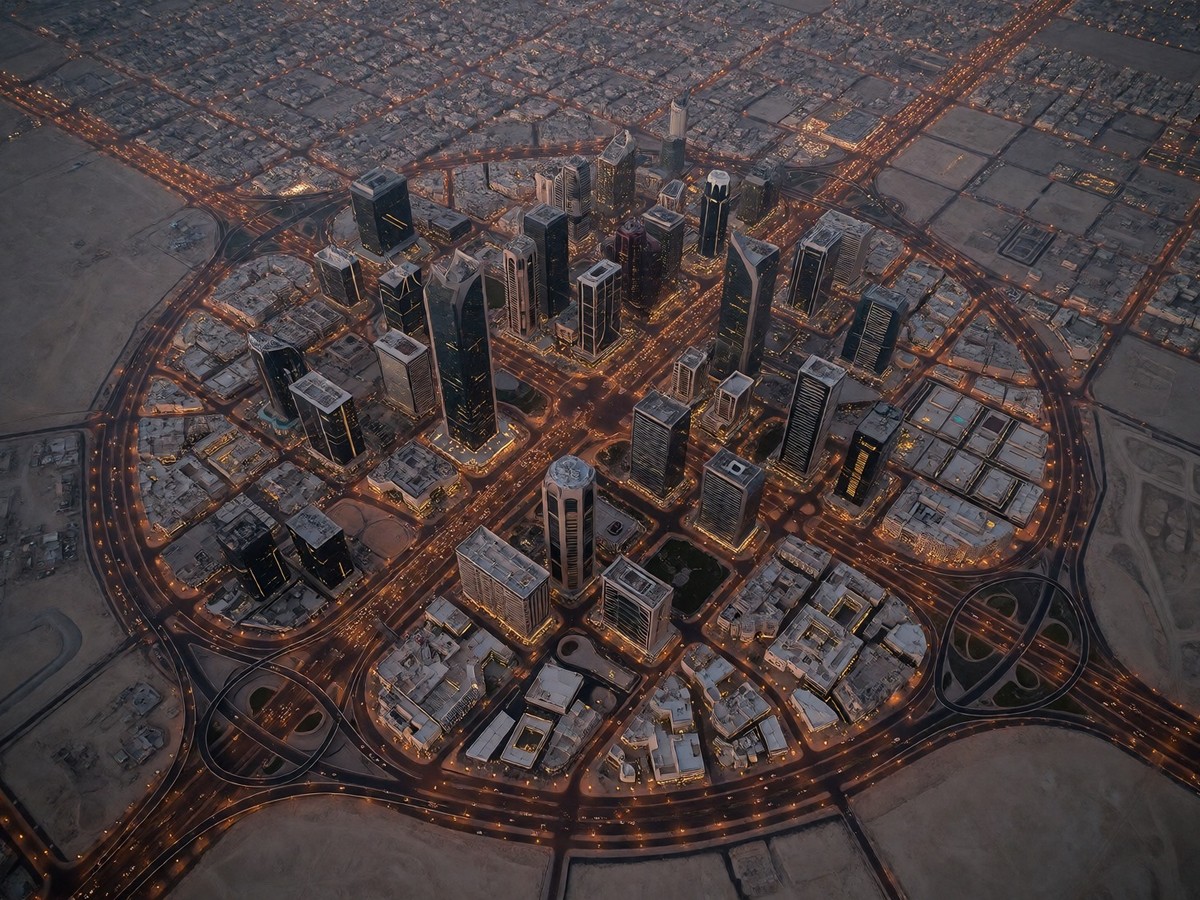
Riyadh receives around 5 million tourists annually, ranking it as the forty-ninth most visited city in the world and the sixth in the Middle East. With a population of 7 million recorded in 2022, the capital functions as the administrative hub for 23 of Saudi Arabia’s 24 ministries. This concentration of government power coincides with a massive shift in economic activity, where over 500 foreign companies have relocated their regional bases to the city. Global tech giants like Google, Amazon, and Samsung now operate from Riyadh, reinforcing its status as a business center. The local economy supports this growth through manufacturing, with almost one-third of the Kingdom’s factories located within the city limits. These facilities produce machinery, chemicals, and construction materials that sustain the rapid urban expansion seen since the 1950s.
Scarcity and Resource Allocation
Economics is fundamentally the study of how scarce resources are used to achieve specific ends. Lionel Robbins defined the discipline as the science studying human behavior as a relationship between ends and scarce means which have alternative uses. This definition moves beyond simple wealth analysis to focus on the constraints facing decision-makers. In the context of Riyadh, the scarcity is not just financial but also spatial and temporal. The city’s grid plan, introduced in 1953, was designed to manage high-capacity roads and new settlements efficiently. However, modern investment models must account for the fact that resources like attention and venue space have limited supply. Adam Smith’s earlier view of political economy focused on providing plentiful revenue for the people and supplying the state with funds for public services. Today, the application of these principles involves balancing private profit with public infrastructure needs. The city’s elevation of 600 meters above sea level does not directly impact boxing economics, but the logistical costs of transporting heavy equipment and talent do. Investors must calculate the opportunity cost of using a prime location for a fight versus other commercial activities.
Strategic Value and Market Dynamics
The investment model relies on generating "economic intelligence" to reduce risk in decision-making. Professional economists analyze data to advise firms on the likely costs and benefits of their actions. For a boxing event, this includes measuring ticket sales, sponsorship deals, and media rights. The King Abdullah Financial District serves as a major anchor for these financial transactions. Yet, the market faces external pressures that complicate return on investment calculations. Recent attacks on King Khalid International Airport have disrupted flight operations and raised security concerns. Airlines including Lufthansa Group and Air India have suspended flights to Riyadh for varying periods. Such instability increases the perceived risk for international sponsors and attendees. The Saudi energy ministry continued promoting an international conference even after airport disruptions, signaling a commitment to maintaining normalcy. However, investors must weigh this resilience against the tangible costs of diverted flights and heightened security protocols. The question remains whether the long-term brand value of hosting global events outweighs the immediate volatility caused by regional conflicts.