Economics of Zhu Ting’s Return to Shanghai Volleyball Payroll
Shanghai's 13 trillion RMB gross metropolitan product supports elite sports investments, yet Zhu Ting's return creates payroll risks.
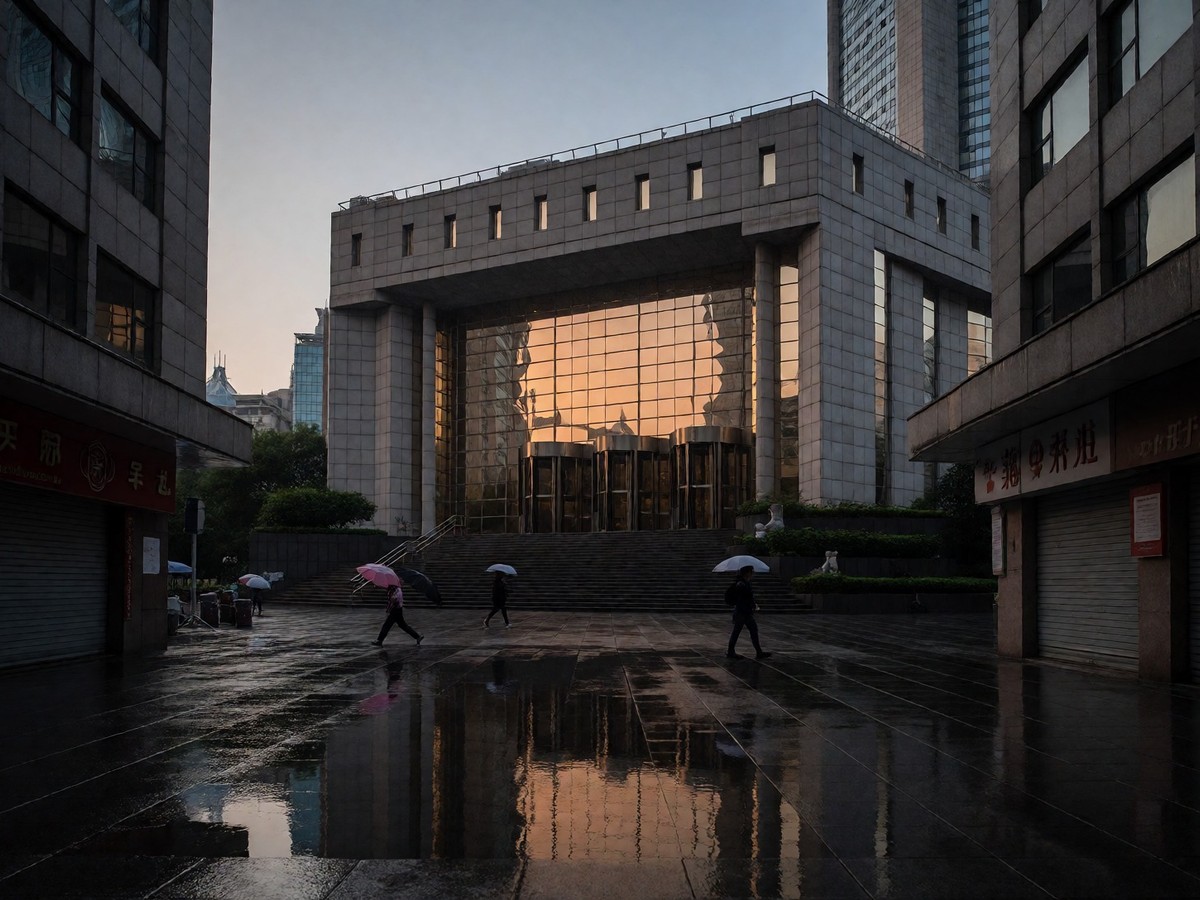
Shanghai’s urban population reached 30,050,000 in 2026, establishing the city as China’s most populous metropolis and the fifth-largest globally. This demographic density supports a gross metropolitan product estimated at nearly 13 trillion RMB, a figure that underpins the financial capacity for elite sports teams to compete for top-tier talent. The local economy is driven by the Port of Shanghai, the world’s busiest container port, and a robust financial sector anchored by the Shanghai Stock Exchange. Such economic infrastructure creates a market where high-profile athlete contracts are not merely salary lines but strategic investments in brand visibility and civic pride. The payroll structure for professional athletes in such a hub must balance competitive compensation with the broader fiscal health of the club, ensuring that star signings do not destabilize the team’s long-term budgetary stability.
Salary Mechanics and Market Positioning
The integration of a top international player into the Shanghai roster requires a precise alignment between individual performance metrics and the club’s revenue streams. While specific contract values remain private, the economic logic follows standard professional sports models where player wages correlate directly with ticket sales, broadcasting rights, and sponsorship deals. In a city ranked eighth on the Global Financial Centres Index, the potential for commercial growth is substantial, allowing clubs to offer packages that rival those in other global hubs. However, this comes with a significant caveat: the cost of maintaining a championship-caliber squad often exceeds the immediate return from match-day revenue alone. Clubs must rely on ancillary income sources, including merchandise and digital media rights, to justify the premium paid to marquee names like Zhu Ting.
The negotiation process involves complex layers of endorsement deals and image rights, which can sometimes complicate the base salary calculation. A player’s social media following and national fame add intangible value that pure athletic statistics do not capture. For Shanghai, securing such a figure is less about filling a positional gap and more about signaling dominance in the domestic league. The risk lies in overextending the payroll; if ticket attendance does not surge to meet projections, the club faces a liquidity strain that could impact other operational areas. This tension between ambition and fiscal prudence defines the modern Chinese sports economy, where state-backed entities and private sponsors both play roles in funding elite competition.
Strategic Implications for the League
The presence of a global icon shifts the competitive dynamics across the entire league, forcing rivals to adjust their own spending strategies to remain relevant. This creates a "winner-takes-most" scenario where the leading clubs attract the best players, potentially widening the gap between the top tier and the rest of the league. From an economic perspective, this concentration of talent can boost overall league valuation through increased viewership and media interest, but it also risks creating an unbalanced ecosystem where mid-table teams struggle to recruit quality personnel. The Shanghai Free-Trade Zone, the first in mainland China, provides a regulatory environment that facilitates cross-border transactions, making it easier for clubs to manage international contracts and currency exchanges.
Yet, the sustainability of such high payrolls remains questionable without continuous revenue growth. If the initial hype surrounding a new signing fades, the club must prove that the investment yielded tangible results in terms of titles and fan engagement. Otherwise, the financial burden becomes a liability rather than an asset. The question of whether the long-term cultural capital generated by such a signing outweighs the short-term financial outlay remains unresolved. For now, the numbers suggest that Shanghai’s economic engine is powerful enough to absorb the shock, but the margin for error is thin.