Errors in Matchroom’s US expansion and venue tactics
Matchroom Boxing faces significant hurdles in its US expansion due to Live Nation booking 85% of large venues for 2026. Legal disputes with Andy Ruiz and Eddie Hearn's preference for UK venues further complicate the $1 billion DAZN subscription model strategy.
The DAZN subscription push
Matchroom Boxing’s \$1 billion deal with DAZN, announced in May, secures the production of 16 live shows every year in the United States over an eight-year term. I see this expansion as a move to exploit the weaknesses of the American pay-per-view model. DAZN targets a monthly subscription fee of \$9.99 to replace the old system where fans paid up to \$100 for a single event. In his native UK, pay-per-view costs typically sit around \$25, making the \$9.99 DAZN model a significant disruption. This strategy shifts the focus from massive, one-time spikes in revenue to a predictable stream of recurring income from a stable subscriber base. Live Nation reports that first-quarter revenue climbed 12% to \$3.8 billion, with over 107 million tickets sold, an 11% increase. Because Live Nation has already booked over 85% of large-venue shows for 2026, Matchroom faces a crowded arena market. This massive revenue growth in the live event sector complicates the attempts of Matchroom to secure its own venue dates.
| DAZN/Matchroom Contract Terms | Value |
|---|---|
| Total Deal Value | \$1 billion |
| Annual US Fight Count | 16 |
| Contract Duration | 8 years |
| DAZN Monthly Fee | \$9.99 |
Contractual friction and the Ruiz impasse
The legal dispute involving Andy Ruiz shows the difficulty of managing international fight locations within strict contractual frameworks. Matchroom filed a lawsuit against Ruiz and TGB Promotions because the heavyweight champion refuses to honor a contract for a December 7 rematch with Anthony Joshua in Saudi Arabia. Ruiz, a Mexican American fighter, objects to the scheduled location and a \$9 million purse, which complicates Matchroom’s ability to finalize the heavyweight schedule. Hearn maintains that the fight remains legally binding, yet this rigidity clashes with the interests of international partners like Turki Alalshikh. Hearn’s insistence that the Tyson Fury and Anthony Joshua showdown must occur in the United Kingdom creates a massive roadblock for international partners who prefer high-profile venues like Madison Square Garden in New York. I find his refusal to budge on venue terms during these negotiations a major tactical error. You probably already know that Hearn prioritizes the British public by sticking to Wembley or other domestic sites. The Ruiz situation proves that a fighter can stall a promotion indefinitely by citing personal reasons or location preferences, similar to the legal complications seen in the Lennox Lewis vs. Hasim Rahman case. Because parts of Saudi Arabia appear on U.S. State Department travel advisories, the legal push for the bout faces additional complexity. If Ruiz loses his WBA, IBF, or WBO titles, Joshua may face further difficulties in securing title shots.
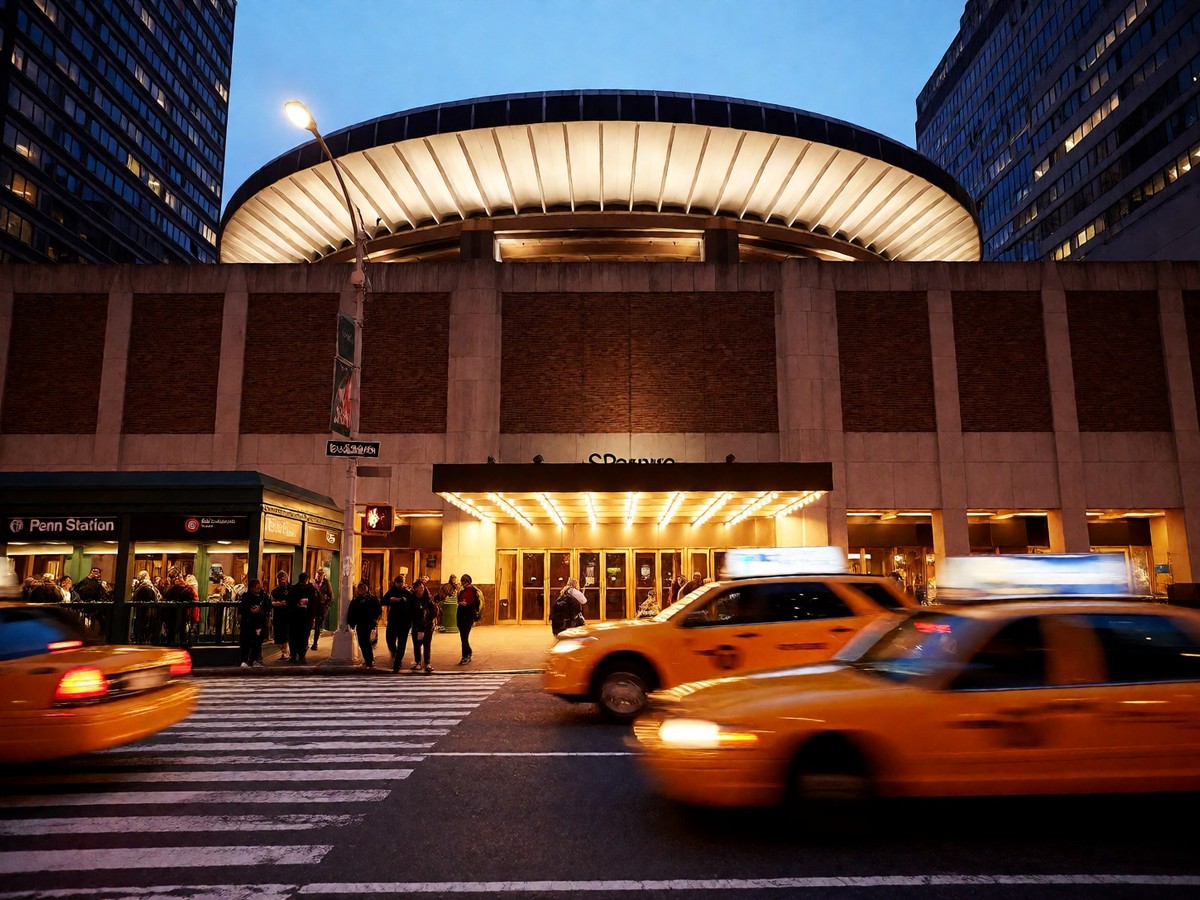
Market saturation and venue limits
Live Nation reports that 85% of large-venue shows for 2026 are already booked, which limits the available inventory for Matchroom’s expanding US schedule. This saturation forces Hearn to compete for arena space against a massive wave of music tours and other live events. While Matchroom aims to capture the combat sports market, the high demand for physical attendance makes securing prime dates difficult. The heavy reliance on the UK market for major stars like Joshua creates a bottleneck when trying to launch the US-based 16-show schedule. This becomes even more complicated when Turki Alalshikh suggests a 2am UK start at Wembley would require an exemption to London venue curfews. Even with massive success, such as the 70,000 tickets sold for the Joshua vs. Pulev showdown in Cardiff, the difficulty of finding suitable venues for globalized stars persists. The mismatch between the US-focused DAZN deal and the UK-focused booking preferences of fighters like Joshua is a structural conflict. How can Matchroom successfully scale its US presence when its core contract philosophy rejects the very global flexibility that partners like Turki Alalshikh demand?