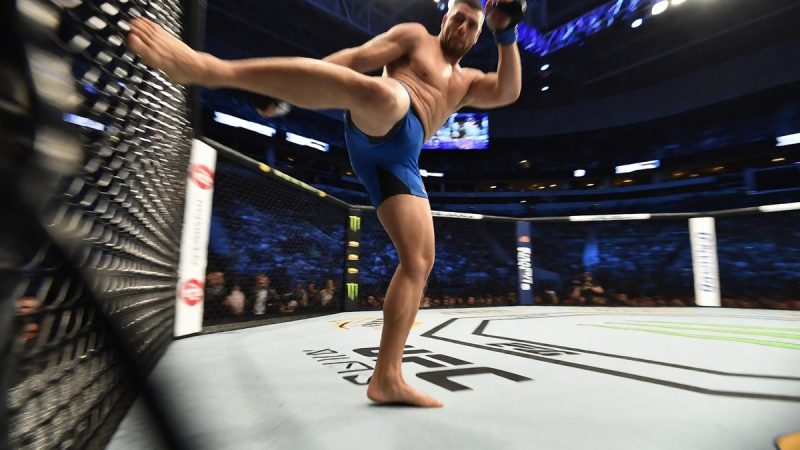
The economics of UFC 311’s January 2026 Anaheim gate revenue strategy
UFC ticket prices for the Anaheim event reach up to $716 for corner seats, creating competition from PFL's $25 entry tier. The promotion's shift to a $7.7 billion Paramount Plus deal aims to offset declining pay-per-view buys and high live gate pricing risks.
The gate and the competition
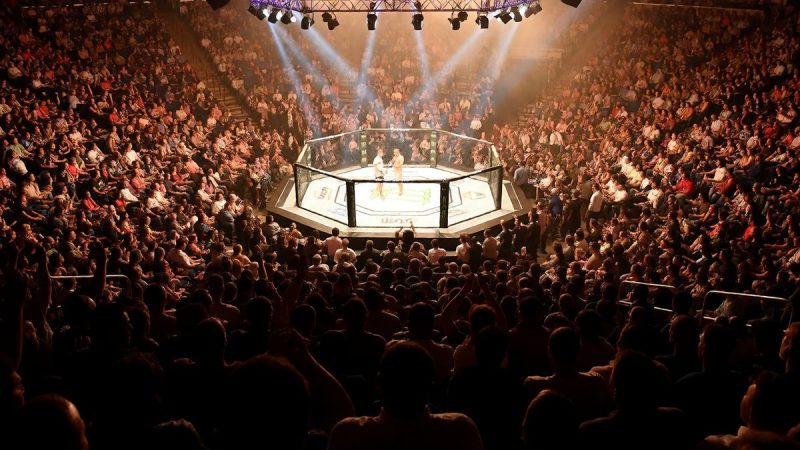
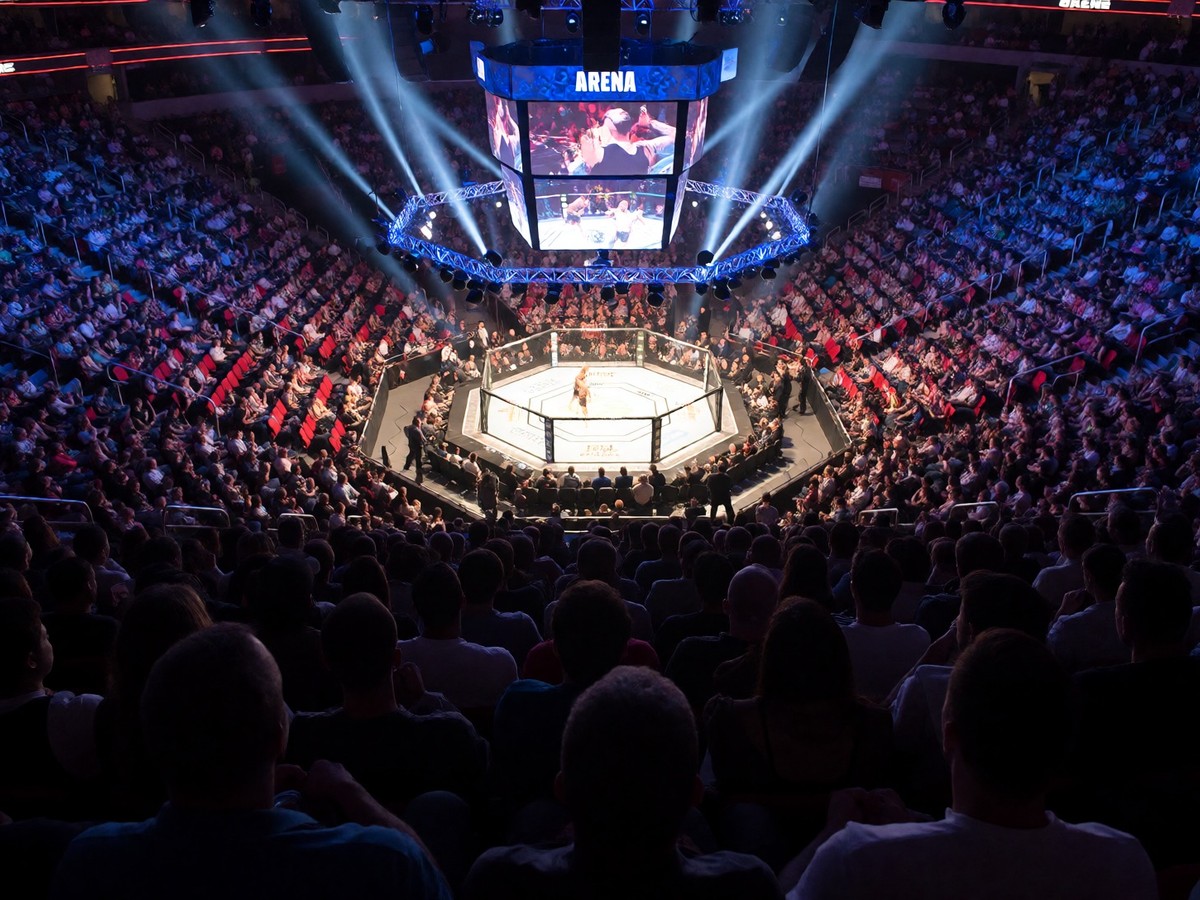
The UFC gate revenue strategy for the Anaheim event centers on high-priced seating that many athletes criticize. Dricus Du Plessis argues that finding 14,000 people willing to pay $300 to $350 for back-row seats constitutes the promotion’s biggest problem. I view this pricing as a risk to fan retention, especially since the PFL introduced a $25 starting ticket price tier for its events. Even Israel Adesanya expressed shock at upper arena seats for standard Fight Nights reaching $300. This pricing pressure correlates with the low enthusiasm seen at UFC 315 in Montreal, where only about half the tickets sold a week before the event. Derek Brunson highlighted this issue when he noted that seats in the farthest corners, specifically Section 302 and Section 329, cost over $716 for certain upcoming cards. While the UFC targets premium revenue through high-priced gate sales, the PFL attempts to capture the market by offering a $25 starting ticket tier to make MMA more accessible to fans from all socioeconomic backgrounds. The PFL intends to use this strategy for its debut on African soil in Cape Town on July 19. I see the UFC facing a direct challenge from this lower-cost model as fans reconsider the arena experience after prices increased nearly 4000% over two decades. Fans across the globe are feeling the sting of these prices, creating a major frustration in the fight game.
The broadcast shift and revenue declines
The UFC moved away from the pay-per-view model in 2026 by signing a $7.7 billion agreement with Paramount Plus and CBS. This seven-year deal allows US fans to watch numbered events without the extra fees that typically accompanied pay-per-views. I find the shift to Paramount a logical response to the declining pay-per-view buys reported by Disney. In the 2024-25 fiscal year, ESPN noted lower UFC pay-per-view fees because of lower average buys per event. Specifically, ESPN paid the UFC less in Q3 of 2025 than in Q3 of 2024. The promotion must now rely on these massive broadcast deals and live gate sales to maintain its financial momentum as the era of massive stars like Khabib Nurmagmedov ends. You already know that the UFC relies heavily on star power to drive these numbers. Does the move to a subscription-based model on Paramount Plus permanently decrease the individual value of a championship fight? The UFC previously sought a $1 billion broadcasting agreement as its current deal with ESPN approaches its end at the conclusion of the year. This transition follows years of instability regarding which platform would host the promotion, with Netflix being a potential candidate due to its relationship with TKO. Paramount CEO David Ellison aims to use live sports to drive engagement and long-term loyalty on the platform.
Data and pricing comparison
I analyzed the costs for fans attending live events against the traditional $70 pay-per-view price to see the impact on the total budget. Comparing these figures shows a massive gap in how different promotions approach the live experience. The UFC relies on dynamic pricing where demand and availability influence secondary market costs.
| Category | Price/Value |
|---|---|
| PFL Starting Ticket | $25 |
| UFC Back-row Seat | $300 – $350 |
| UFC Paramount Deal | $7.7 billion |
| UFC PPV (Historical) | $70 |
| UFC Corner Seats | Over $716 |
I find the UFC’s heavy reliance on high-ticket prices to be a questionable long-term strategy for fan engagement. The 4000% increase in ticket prices over the last two decades makes the live experience nearly inaccessible for many. However, the $7.7 billion Paramount deal provides a massive influx of cash even if the lack of star power remains a concern. Even Israel Adesanya noted that he bought his own tickets to help events appear sold out. Fans can balance their budget by choosing between cage-side, floor, lower-bowl, or upper-level seats depending on their preference for sightlines and proximity to the Octagon. I recommend prioritizing the subscription value if you want to avoid the $300 upper-level seats.