The economics of Canelo Alvarez’s mandatory fight and Riyadh fallout
Canelo Alvarez is set to earn $80 million for his super middleweight bout against William Scull following a direct agreement. Turki Alalshikh has shifted focus away from Alvarez after failed negotiations regarding a $150 million demand for a Terence Crawford matchup.
Mandatory Obligations and the Scull Agreement
The IBF cancelled the purse bid for the super middleweight mandatory fight between Canelo Alvarez and William Scull because the two camps reached a direct agreement. Scull, who holds a 23-0 record with 9 knockouts, holds the mandatory position for the IBF 168-pound title. This development leaves David Benavidez without a clear path to the championship, as the IBF mandatory status went to Scull after he defeated Sean Hemphill. The WBC also initiated new procedures to manage mandatory bouts for champions holding multiple belts, aiming to create common mandatory contenders across different sanctioning bodies. Under these rules, winners of final elimination bouts might face mandatory opponents from other organizations during unification fights. This rule change means satisfying one organization’s mandatory might trigger obligations elsewhere. The WBC’s goal is to provide unified champions with greater activity instead of forcing them to fight separate mandatories for each organization. Per WBC Rule 3.5, champions must make at least one mandatory defense per year unless the WBC grants an exception. Furthermore, Rule 3.7 states that being ranked number one does not automatically make a boxer a mandatory challenger. Fighters must also follow Rule 4.14, which requires weights to be no more than 10% above the division limit 30 days before a bout, 5% 14 days before, and 3% 7 days before. Scull’s recent wins include Sean Hemphill, Cristian Fabian Rios, Abel Nicolas Adriel, and Evgeny Shevchenko.
Alalshikh and the Crawford Negotiation Failure
Turki Alalshikh has shifted his focus away from Canelo Alvarez following failed negotiations involving Terence Crawford. While Crawford expressed interest in a fight if the money is sufficient, Alvarez demanded $150 million for the matchup, despite reports of a $100 million offer. Alalshikh publicly stated he decided to disregard the Canelo fight because he wants to target bigger fights at fairer prices. He intends to pursue Vergil Ortiz instead, targeting fighters who do not demand astronomical sums to step into the ring. You should watch how these shifts in Saudi Arabian funding affect the rest of the division. Alalshikh accused Alvarez of avoiding difficult opponents like Benavidez or Crawford in favor of easier, show-only fights. Because Alvarez has been looking for easier fights since losing to Dmitry Bivol, Alalshikh intends to back champions like Jaron Ennis, Devin Haney, Shakur Stevenson, and David Benavidez. Crawford became a four-division champion last week after his unanimous win over Israil Madrimov. Alalshikh also reconsidered the situation for Australian Tim Tszyu due to unclear communications with his team. The Chairman will prioritize upcoming cards such as the September 21 Anthony Joshua and Daniel Dubois fight, followed by the October 21 battle between Artur Beterbiev and Dmitry Bivol. This friction between the Riyadh Season chairman and the Mexican champion creates a volatile market for high-stakes super middleweight bouts.
Purse Disparities and Economic Realities
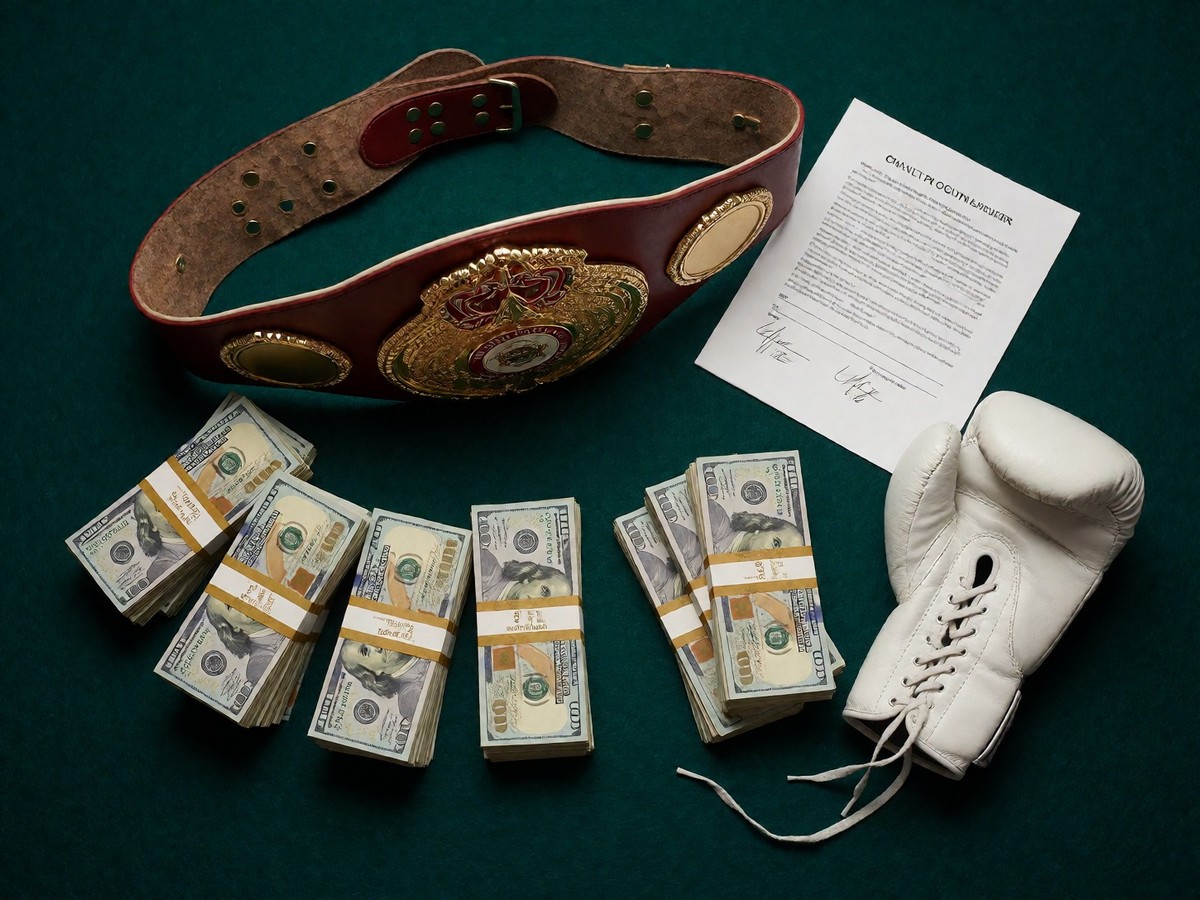
The financial gap between a champion and a mandatory challenger remains massive. Canelo Alvarez secured a deal with Riyadh Season that includes a $400 million payout for five fights, which guarantees him $80 million for his bout against William Scull. This fight, which takes place on DAZN, could reach $120 million in total earnings once PPV sales and sponsorships are added. Scull, the -3000 betting favorite, expects to earn in excess of $3 million for this title fight.
| Bout Participant | Estimated Purse or Payout |
|---|---|
| Canelo Alvarez vs. Scull (Guaranteed) | $80 million |
| Canelo Alvarez vs. Scull (Total Potential) | $120 million |
| William Scull (Salary) | $3 million |
| Canelo Alvarez vs. Berlanga | $65 million |
| Canelo Alvarez vs. Munguia | $30 million to $35 million |
| Canelo Alvarez vs. Saunders | $8 million |
| Canelo Alvarez vs. Charlo | $10 million |
Canelo Alvarez maintains a net worth of approximately $355 million after decades of professional boxing. He earned $85 million in 2024 alone, making him the highest-ranked boxer on the Forbes list of highest-paid athletes. His ability to command such high figures despite the new WBC mandatory rules shows his individual market power. However, the refusal of Alalshikh to meet the $150 million demand for a Crawford fight suggests that even the biggest stars face limits when promoters prioritize high-stakes events with better profit margins. The current boxing economy is broken because sanctioning bodies and massive financiers no longer follow the same financial logic. Will the sport maintain these massive payouts if the primary financiers stop chasing the highest bidder?