Tatis power and contract mechanics in 2026
Fernando Tatis Jr. hit a 474-foot home run against the Atlanta Braves during the 2026 season. His massive 10-year Padres contract includes a $50 million signing bonus and utilizes deferred payments to manage long-term payroll and personal brand revenue.

Long-distance power in Atlanta
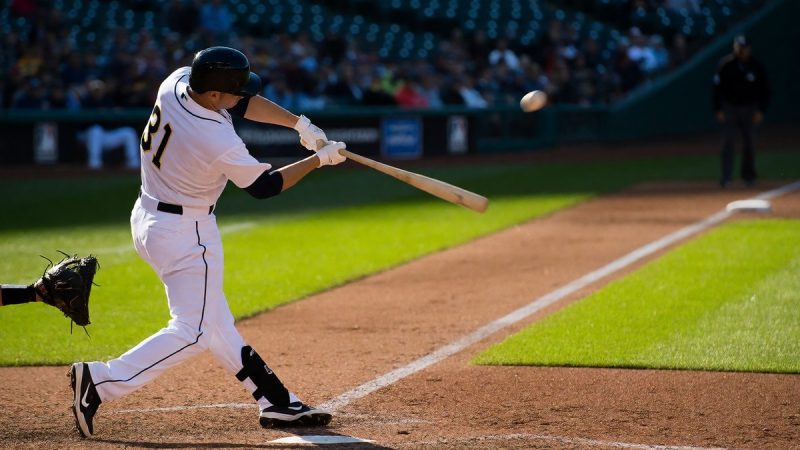
Fernando Tatis Jr. hit the longest home run of the 2026 MLB season against the Atlanta Braves at Truist Park. The 27-year-old outfielder absolutely destroyed a ball in the eighth inning for a 474-foot home run against reliever JR Ritchie. This blast gave the San Diego Padres an 8-3 win during a difficult season. Tatis faced eight pitches from Ritchie, including two foul balls and a ball on three previous curveballs, before hitting the mammoth shot off an 84 mph curveball. He has eight home runs this season, and four of those are massive hits. He currently ranks in elite percentiles for bat speed, hard-hit percentage, and average exit velocity. The Padres hold a 91-71 record with a .562 winning percentage, leaving them 9.0 games behind the Dodgers, who sit at 100-62. The Braves hold a 94-68 record.
The economics of a generational contract
The Padres signed Tatis to a 10-year commitment with an average annual value exceeding $40 million following his MVP-caliber 2023 season. This deal includes a $50 million signing bonus and allows the team to use opt-out clauses after the 2027 and 2029 seasons to manage long-term payroll. Because he signed with Big League Advance as a prospect, he owes a percentage of his future salary to the company. Michael Schwimer, the founder of Big League Advance, used modeling to predict Tatis would be the second-best player in 15 years. Industry estimates suggest the total value could exceed $450 million when you account for deferred payments and market adjustments across the contract term. About 10-15% of the total value ties to player-driven revenue streams like endorsements and international partnerships. While the deal provides massive financial security, the structure also forces the Padres to account for social media engagement metrics and market-driven benchmarks to manage the compensation package for a player with such a massive global brand. To ease short-term financial burdens, the contract uses deferred payments for about 20% of its total value. This deal treats his personal brand as an asset class, with potential endorsements reaching $70 million. Industry analysts noted the design forced competitors to rethink how they value talent using metrics beyond traditional WAR projections.
| Factor | Detail |
|---|---|
| Signing Bonus | $50 million |
| Deferred Payments | ~20% of total value |
| Revenue Tie-in | 10-15% of total value |
| Opt-out Years | After 2027 and 2029 |
Risks of the prospect model
Scott Boras calls the method of trading future earnings for upfront lump sums a way to use candy to attract players. This upfront money helped Tatis afford a personal trainer, higher quality food, and better housing when he was a prospect. Tatis previously accepted a $700,000 bonus when he signed with the Chicago White Sox in 2015. His father, Fernando Tatis, played in the major leagues from 1997 to 2010 and earned about $18 million, including a $15 million, four-year deal with St. Louis in 2000. Big League Advance has invested in 344 players, and 20 of those were signed in the last two months. In the company’s first fund, 45 of 77 players reached the major leagues, even though 83% of those players were outside the top 300 prospects at the time of signing. The second fund raised $130 million, and 200 people invested $156 million. Big League Advance pays an average of $350,000 to players. The company’s business model faced scrutiny when catcher Francisco Mejia sued Big League Advance in 2018, though the lawsuit was dismissed with prejudice. The contract includes standard injury protections, but the Padres have not disclosed the exact terms for prolonged injuries. This agreement differs from Mike Trout’s $426 million extension because the Padres can renegotiate or trade him if market conditions change. You probably expected more rigidity from a deal this size. Will the league eventually regulate these private investment deals?