New grounded fighter rules for UFC 309 explained
The Association of Boxing Commissions updated the definition of a grounded fighter to prevent athletes from using a single finger on the canvas to avoid strikes. These new Unified Rules will be implemented by the New York State Athletic Commission for the UFC 309 event.
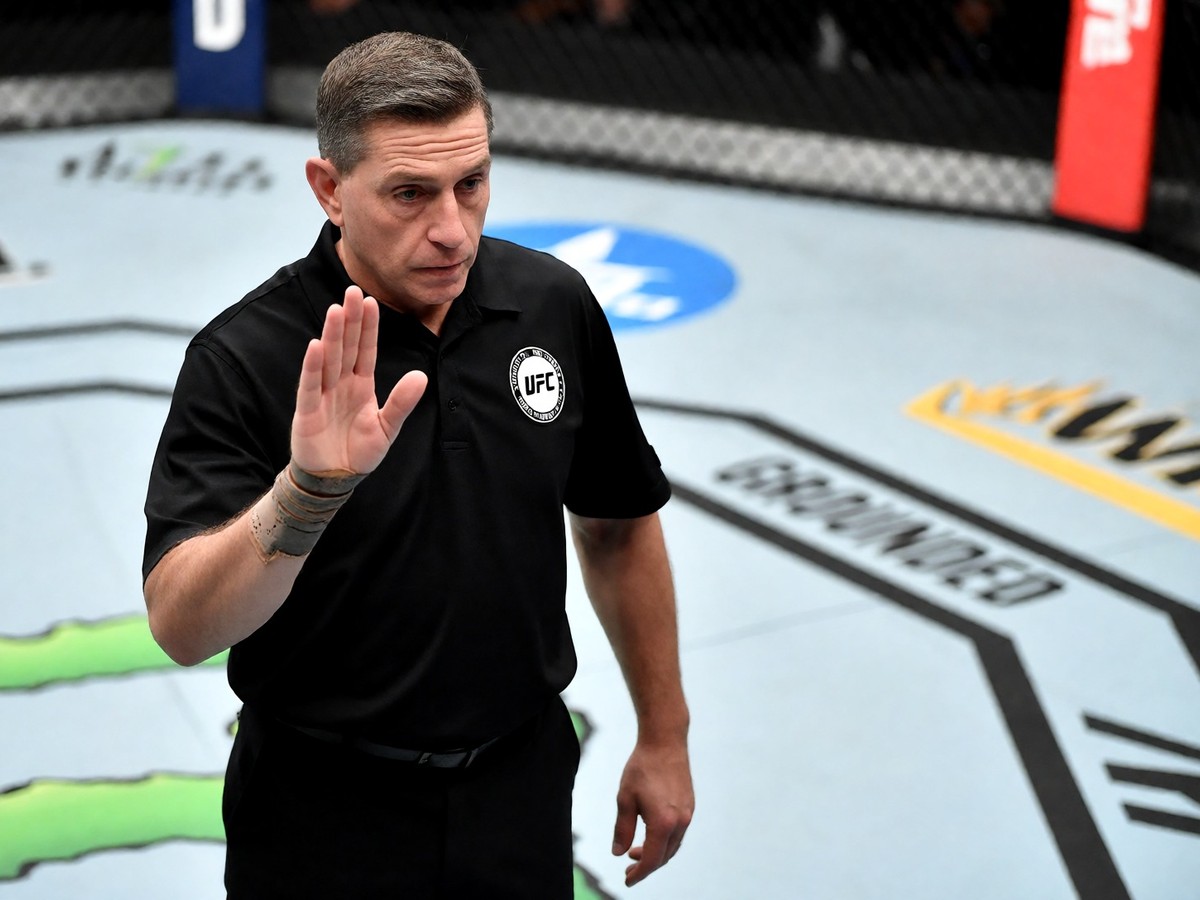
Redefining the downed fighter
The Association of Boxing Commissions updated the rules regarding what constitutes a grounded opponent. This change aims to stop fighters from using a single finger on the canvas to avoid being kneed or kicked in the head. Previously, a fighter needed both hands or one hand and another body part on the floor to be considered grounded. Now, a fighter is grounded only when a part of their body other than their hands or feet touches the mat. You probably remember how fighters would touch a single finger to the mat to avoid a knee. This new definition removes the loophole that allowed fighters to stall or avoid strikes by simply placing a fingertip down. The New York State Athletic Commission will use these updated Unified Rules for the UFC 309 event. Referees may still penalize a fighter for timidity if they attempt to draw a foul by touching the ground without an offensive purpose. The increased possibility of knees to the head for a downed opponent increases the risk of career-ending injuries. Under the current regulations, a fighter is considered grounded and may not be legally kneed or kicked to the head when any part of their body other than their hands or feet is in contact with the canvas.
| Status | Requirement |
|---|---|
| Old Rule | Both hands or one hand plus another body part |
| New Rule | Any part of the body except hands or feet |
Striking and scoring updates
The new regulations also permit 12-6 elbow strikes, which were previously banned and led to Jon Jones losing his undefeated record against Matt Hamill in 2009. This strike involves moving the arm straight up and straight down to land the blow. These rules allow for more aggressive striking during ground combat. The Association of Boxing Commissions also changed the scoring language to emphasize impact rather than damage. Judges now look at three specific factors: impact, duration, and dominance. If a judge sees two of these characteristics in a round, they should consider a 10-8 score. If all three characteristics exist, the judge must award a 10-8 round. One strike that causes massive impact carries more weight than a volume of lighter strikes.
Judges must prioritize effective striking and grappling as the top tier of scoring. Aggression and cage control function as secondary considerations only when the primary tiers remain equal. This hierarchy forces judges to focus on the actual effect of a fighter’s maneuvers. The removal of the word damage from the official rules follows opposition from the New Jersey State Athletic Control Board. This commission dissented against the changes because they cited concerns over the new definition of a grounded fighter and the replacement of the word damage with the word impact. The new definition states that a fighter is only grounded when a body part other than their hands or feet touches the canvas.
The reality of judging
Subjectivity in judging still creates massive problems for fighters. Matt Brown noted that judges often struggle to define damage, sometimes valuing a small cut over much more significant physical impact. A fighter might land heavy blows that do not result in visible swelling, yet a judge might award a round to an opponent based on a minor laceration. This inconsistency can change the trajectory of a career through a single split decision. The current system lacks accountability for judges who produce egregious scorecards. Losing a close decision can cause a fighter to fall in the rankings, lose title opportunities, and lose negotiating leverage.
The financial impact of a loss is severe. Fighters lose out on performance bonuses, higher future purses, and main-event opportunities. A single bad decision can stall a climb toward a championship. This reality makes every scorecard a matter of survival for athletes. The difference between a victory and a defeat equals hundreds of thousands of dollars over a career. A single disputed scorecard can cost fighters years of progress. Fighters often adapt their strategies to maximize winning, such as using excessive clinching, control-focused grappling, or low-risk point fighting to please judges. The new rules are a functional attempt to improve fairness, but the subjectivity of judging remains a major problem. Will these rule changes actually reduce the frequency of controversial decisions in the octagon?