The history of Canelo Alvarez’s Cinco de Mayo boxing tradition
Saul Alvarez has anchored his career to the May 5 holiday for over a decade, generating $983.55 million in PPV sales across sixteen major cards. While recent buy numbers show a slight decline from the 2017-2018 peak, the tradition remains a key commercial driver for spring boxing.
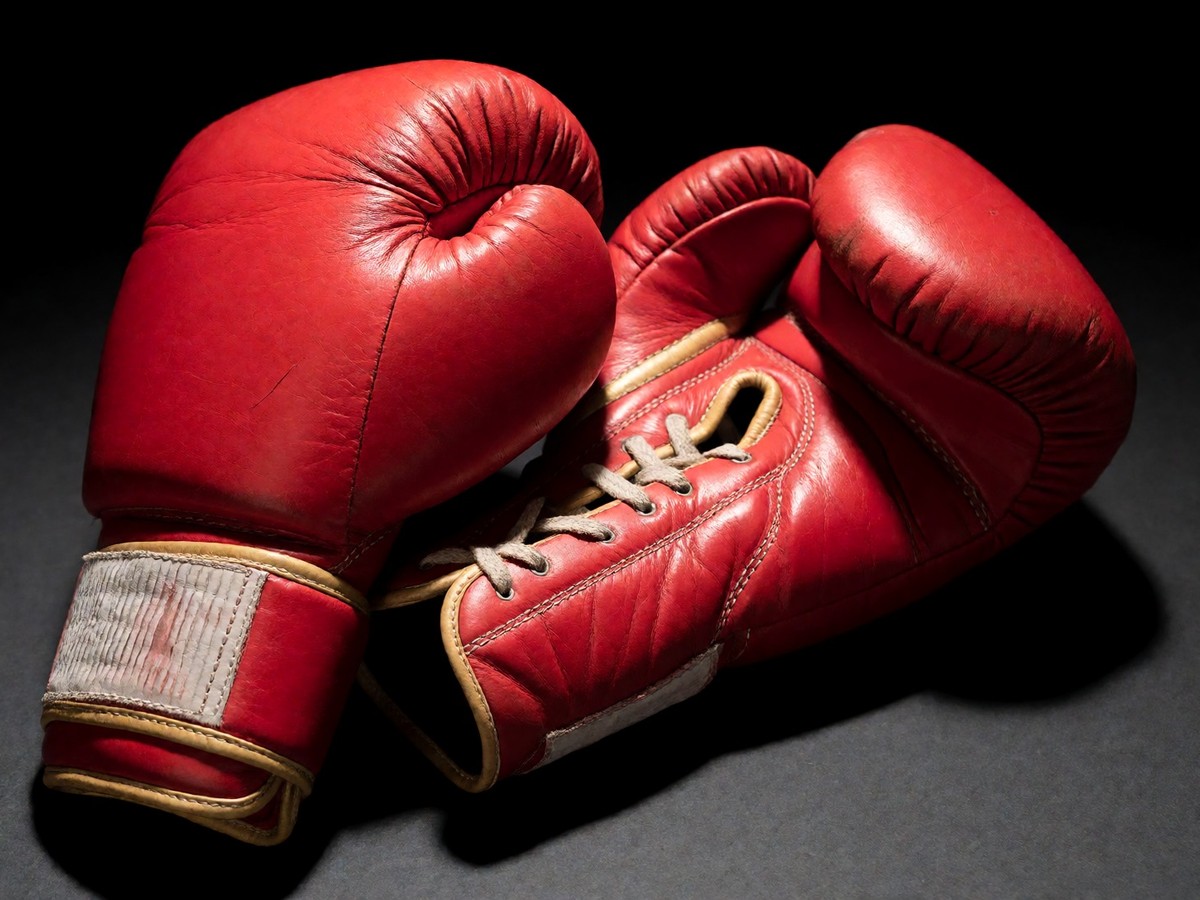
Saul "Canelo" Alvarez has fought on or near the May 5 holiday for over a decade, turning the date into a personal brand anchor. His record shows ten bouts scheduled between April 29 and May 8 since 2010. This consistency creates a predictable calendar slot that promoters use to maximize revenue during the spring season. The tradition began with his 2010 win over Jose Miguel Cotto in Las Vegas and continued through major title defenses. Each event generates significant pay-per-view buys, often exceeding 400,000 transactions. The financial scale of these fights dwarfs other boxing events held outside of traditional prime-time windows.
A Decade of Title Fights
The schedule reveals a clear pattern of high-stakes matchups. In 2012, he defeated Shane Mosley at the MGM Grand Garden Arena to retain the WBC light middleweight title. That same venue hosted his 2016 knockout of Amir Khan, where he retained the WBC and The Ring middleweight titles. The 2017 bout against Julio Cesar Chavez Jr. drew one million PPV buys, generating $80 million in revenue for the "Civil War" card. More recently, the 2023 fight against John Ryder moved to Estadio Akron in Zapopan, Mexico, marking a return to his home country for the holiday weekend. That event sold 450,000 buys and brought in $29.25 million. The 2024 defense against Jaime Munguia back in Las Vegas saw 560,000 buys and $50.4 million in sales. These figures demonstrate that the Cinco de Mayo window remains commercially viable even as the sport shifts toward Saudi Arabia and other international markets.
Financial Scale and Recent Shifts
The economic impact of this tradition is substantial. Total PPV sales for his listed events reached $983.55 million across sixteen major cards. The peak viewership for his recent loss to Terence Crawford hit 41.4 million people, though that fight occurred in September rather than May. The May dates specifically have produced some of his highest-grossing individual events. For instance, the 2018 Golovkin II fight generated $120 million from 1.1 million buys. However, the trend shows a slight dip in buy numbers in the last two years compared to the 2017-2018 peak. The 2022 Bivol fight, billed as "Legacy is Earned," only sold 520,000 buys despite being a unification match. This decline suggests that while the holiday branding persists, audience fatigue or shifting broadcast strategies may be affecting raw purchase volumes. The next mandatory challenger is Lester Martinez, and a potential bout with Hamzah Sheeraz could further test the commercial limits of this annual ritual. Does the cultural weight of the date still drive growth, or is it now purely a scheduling convenience?