The history of George Foreman’s 1994 heavyweight title reclamation
George Foreman defeated Michael Moorer at age 45 to reclaim the WBA and IBF heavyweight championships in 1994. This historic victory in Las Vegas challenged perceptions of physical limits in boxing and paved the way for other veteran fighters to achieve championship success.
A shock in Las Vegas
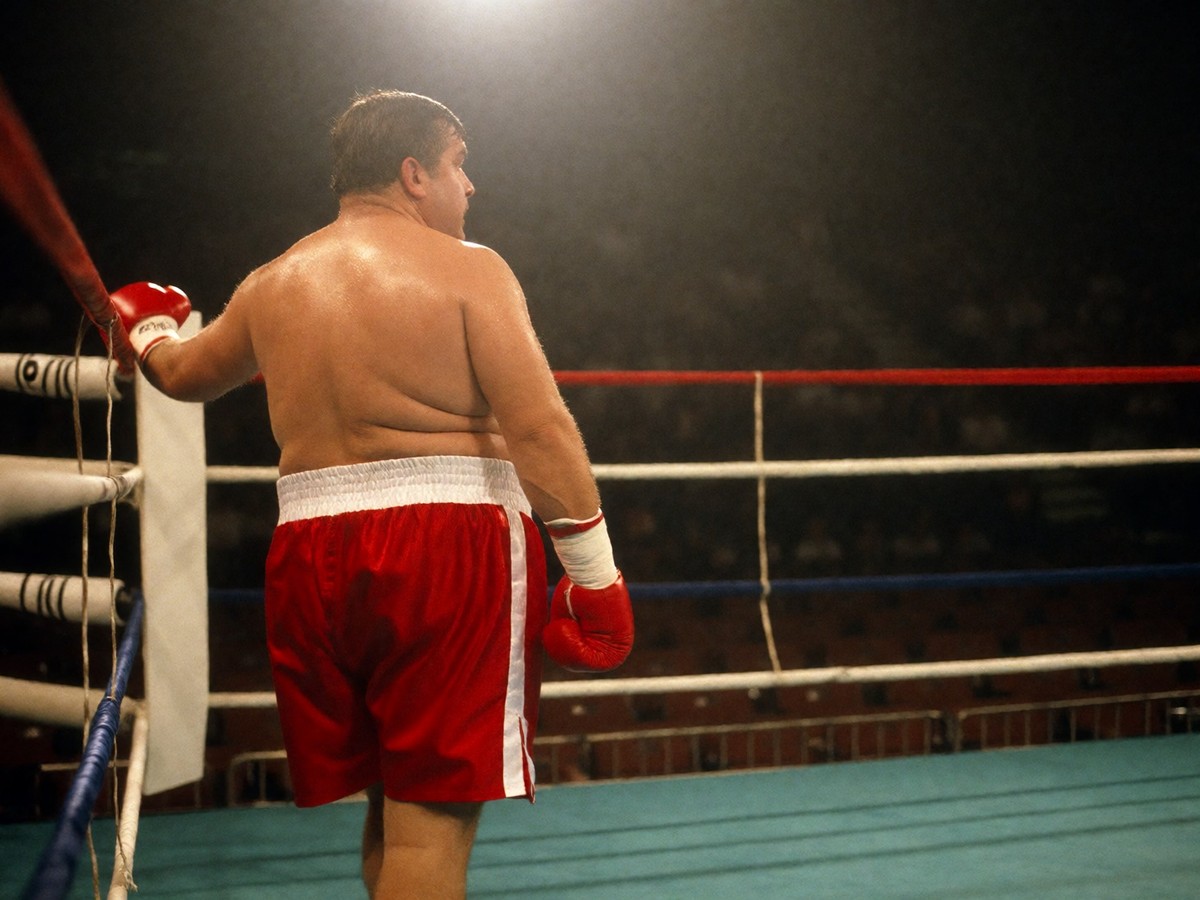
On November 5, 1994, George Foreman defeated Michael Moorer at the MGM Grand in Las Vegas to reclaim the WBA and IBF heavyweight championships. More than 12,000 spectators watched Foreman, aged 45 and 299 days, face the 26-year-old Moorer, who held a 35-0 record. Moorer had previously defeated Evander Holyfield to win his belts. Moorer controlled the pace for nine rounds, using his movement to outwork the older challenger. While the 26-year-old Moorer used his speed to dominate the majority of the fight, Foreman relied on his heavy right hand to capitalize on the momentary opening in the champion’s guard during the tenth round. The referee counted to ten while Moorer remained unable to rise. This victory allowed Foreman to become the oldest man to hold the heavyweight title, a record he held for 20 years. The bout only occurred after Foreman and promoter Bob Arum filed a lawsuit in Nevada because the WBA refused to rank him as a contender. A judge ruled the WBA acted "capriciously" regarding the sanctioning, which allowed the fight to proceed. Foreman wore the same red trunks he used in the 1974 fight against Muhammad Ali. This win came nearly 20 years after he lost his title in Zaire. Foreman had previously lost a decision to Evander Holyfield in 1991 and a bout to Tommy Morrison in 1993.
Training and criticism
Foreman ignored critics who called him a laughing-stock or claimed he was too fat to compete. He built his conditioning through 400 daily sit-ups, 10-mile runs, and six hours of wood chopping. His training regimen included punching a heavy bag attached to the back of a moving truck and using a Nautilus machine for back pressure. During the fight, he utilized a strategy of patience to wait for Moorer to slip up. Trainer Teddy Atlas warned Moorer against standing too close to the aging fighter, comparing the veteran to an old car that would break down if pushed too fast. You should know that Foreman’s success resulted from this intense discipline and a diet of egg whites, fruit, and lean proteins like orange roughy. He also practiced "puddle-hopping" by fighting overmatched opponents to shake off ring rust. One boxing writer argued that Foreman’s prime lasted only three fights and that his achievements remain vastly overrated. His comeback, which began in 1987 at age 38, included 24 consecutive matches and a knockout of Gerry Cooney. Foreman also spent time as an ordained minister and motivational speaker in Houston.
Longevity in the ring
Foreman’s victory changed how observers viewed the physical limits of boxers. His success at 45 preceded other notable quadragenarian performances in the ring. Bernard Hopkins won a title at 46 and unified championships at 49. Manny Pacquiao also achieved success at 40, and Larry Holmes won a fight at 42. Archie Moore fought 49 times after turning 40, going 43-4-2 in those fights, including a classic victory over Yvon Durelle. Thulani Malinga also claimed a major title at 42 after enduring a difficult patch between 1990 and 1993. Malinga outboxed Nigel Benn in a rematch to win his first major title despite a fifth-round knockdown.
| Name | Age | Achievement |
|---|---|---|
| Bernard Hopkins | 49 | Unified championships |
| George Foreman | 45 | Regained heavyweight title |
| Manny Pacquiao | 40 | Won welterweight title |
| Larry Holmes | 42 | Won decision vs. Ray Mercer |
| Thulani Malinga | 42 | Reclaimed WBC crown |
Foreman’s career outside the ring also found massive success. He launched a grill in 1994 that sold over 100 million units. He sold the commercial rights to the company in 1999 for $138 million. Can any athlete truly match the financial windfall of such a comeback?