The Lomachenko Method: From Akkerman to the World Stage
Vasyl Lomachenko's amateur record of 396 wins and one loss highlights his unique training under his father, which included underwater drills and high-volume sparring. He turned professional in 2013 and won a world title in his third fight, tying a record set by Saensak Muangsurin in 1975.
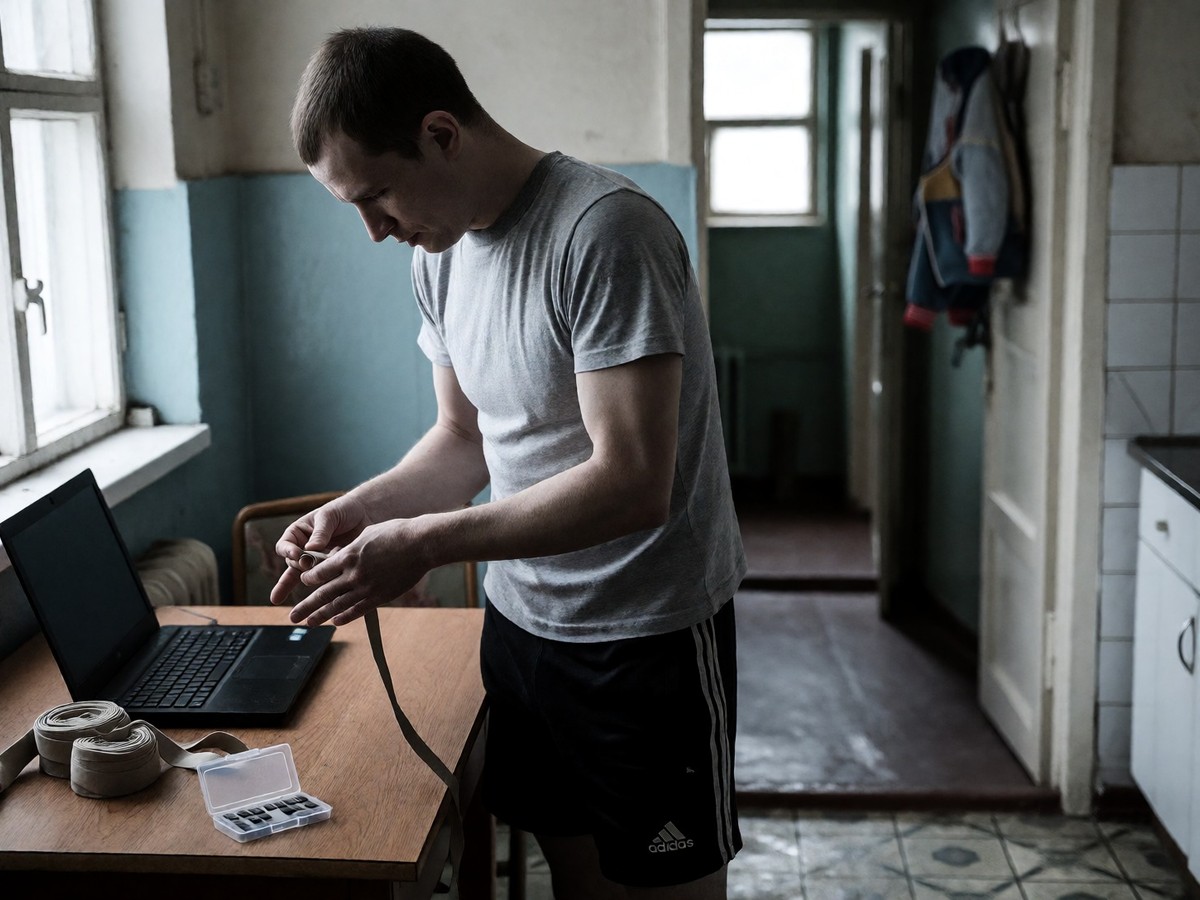
Vasyl Lomachenko’s amateur record of 396 wins and one loss is the most cited statistic in boxing history. That single defeat occurred at the 2007 World Championships against Albert Selimov, a Russian southpaw who controlled distance for long stretches to win 16-11. The loss forced Lomachenko to refine his countering game before he claimed Olympic gold in 2008 and again in 2012. His father, Anatoly, orchestrated this rise with a regimen that included street skating, juggling, and solo tennis where Vasyl sprinted around the net to return his own lobs. Sparring sessions consisted of 15 four-minute rounds with 30 seconds of rest, with fresh partners rotating every three rounds unless they were overwhelmed by the volume of punches. Computer chips in his hand wraps recorded every strike, allowing Anatoly to calibrate performance data on a laptop. In one session, Vasyl threw 2,949 punches with an average velocity of 160.2 km/hour. He also trained underwater, holding his breath for up to 4 minutes and 20 seconds during Olympic preparation. This psychological pressure was designed to move the limitation of instincts, ensuring he could recognize possibility in the ring rather than reacting with anger or fear.
Pro Debut and Rapid Ascent
Lomachenko turned professional in 2013, refusing manager Egis Klimas’ suggestion to hire Freddie Roach because he believed no one else deserved credit for what his father had already done. His second pro fight saw him challenge Orlando Salido for the vacant WBO featherweight title. Salido came in over the weight limit and fouled often, costing Lomachenko a split decision despite the Ukrainian being on the way to a stoppage victory in the final round. Judges scored the bout 115-113, 116-112, and 115-113, with two cards favoring Salido. You know this part well, but the rebound defines his career. After entering a purse bid to face Gary Russell Jr., Lomachenko won the vacant title in only his third professional fight. He tied the record for fewest fights to win a world title, set by Thailand’s Saensak Muangsurin in 1975. Two judges scored the fight 116-112 for Lomachenko while the third scored it a 114-114 draw. Lomachenko used constant movement to circle Russell and employed a body attack that garnered a clear majority decision. This victory proved he could adapt to elite speed, a skill that would serve him across three divisions.
Legacy and Unresolved Questions
His current record stands at 15-2, with 11 KOs, though none of his opponents ever stopped him in-ring. His first loss was to Salido, and his second came in October 2020 against Teofimo Lopez. Three judges scored that unified lightweight title fight 119-109, 117-111, and 116-112, all in favor of Lopez. Despite the defeat, Lomachenko remained undefeated for six years after the Salido loss before facing Lopez. Critics note that his style relies heavily on rhythm, which can be disrupted by opponents like Rigondeaux who seek to break tempo. However, Lomachenko’s ambition extends beyond belts; he wants his name remembered alongside Ray Robinson and Muhammad Ali decades from now. His son, also named Anatoly, ran 15 miles to earn an iPhone after five months of training, mirroring the discipline instilled by their father. Was the 2007 loss to Selimov a necessary failure, or just a statistical anomaly? The sources do not answer this, but the subsequent dominance suggests the former. Lomachenko’s journey from a child dancing in billowy satin pantaloons to a three-division champion remains a testament to relentless, idiosyncratic work.