The rope-a-dope and the Rumble in the Jungle
Muhammad Ali secured a stunning knockout victory against George Foreman in 1974 by utilizing his innovative rope-a-dope strategy. This tactical gamble in Zaire forced Foreman into exhaustion and remains a defining moment in heavyweight boxing history.
The Zaire Showdown
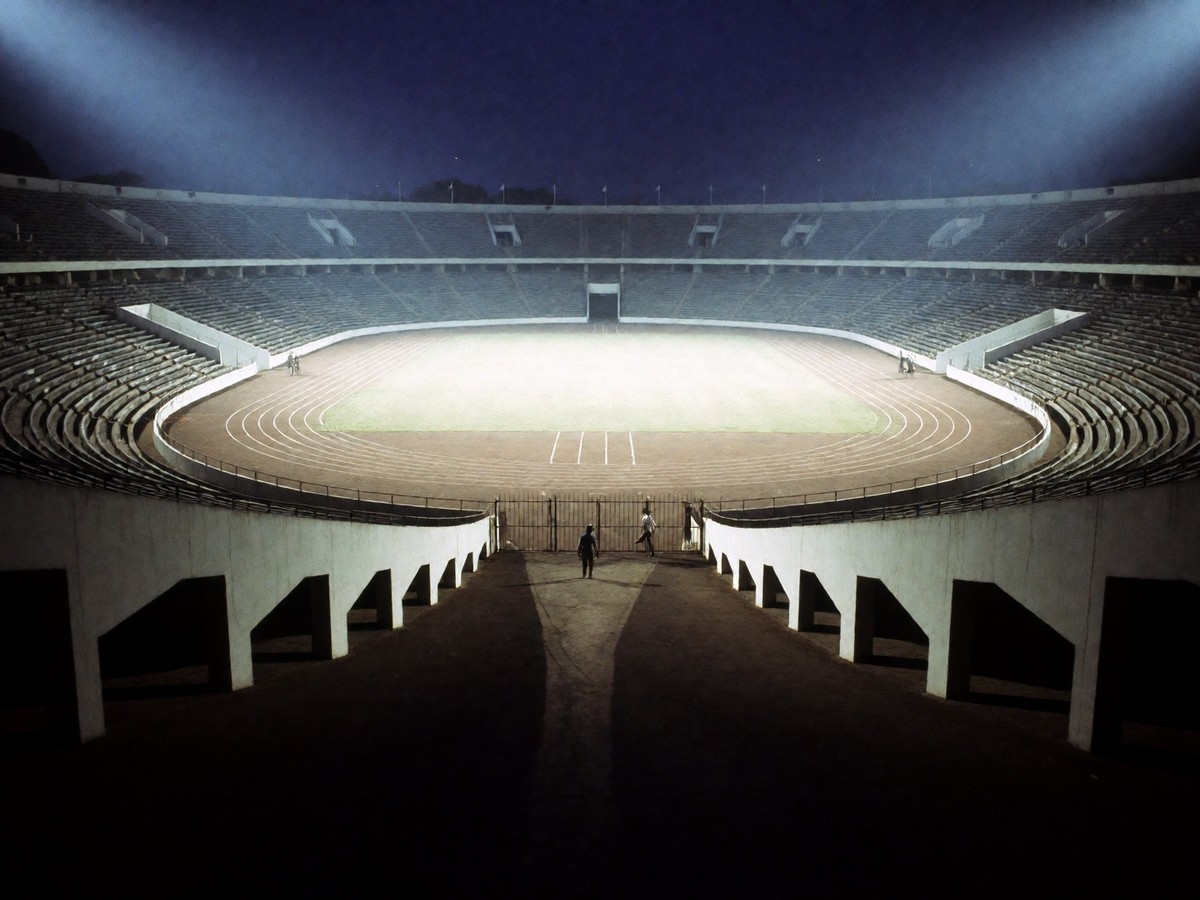
Don King organized the heavyweight championship match in Kinshasa, Zaire, where President Mobutu Sese Seko paid Muhammad Ali and George Foreman $5 million each. The event took place in the moonlight at the outdoor Stade du 20 Mai on October 30, 1974. While 60,000 fans attended, closed-circuit television reached 50 million viewers and worldwide broadcasts reached one billion. Ali entered the bout as a 4:1 underdog. Foreman had won the 1968 Olympic gold medal and entered the ring with a 37-0 professional record. The fight followed a five-week delay after Foreman received 11 stitches for a cut above his eye during a sparring session. Don King initially named the event "From the Slave Ship to the Championship" to target Black American audiences, but Mobutu Sese Seko rejected the title and ordered all posters burned. The fight coincided with the Zaire 74 music festival, which featured performances by B.B. King and James Brown.
| Statistic | Value |
|---|---|
| Date | October 30, 1974 |
| Venue | Stade du 20 Mai |
| Purse | $5,000,000 per fighter |
| Attendance | 60,000 |
| TV Audience | 1,000,000,000 |
Ali returned to boxing in 1970 after being stripped of his title in 1967 for refusing the U.S. draft. His previous attempt to reclaim the title ended in a loss to Joe Frazier in the match known as the "Fight of the Century." Foreman had previously demolished Frazier in two rounds and defeated Ken Norton to solidify his hold on the division.
The rope-a-dope strategy
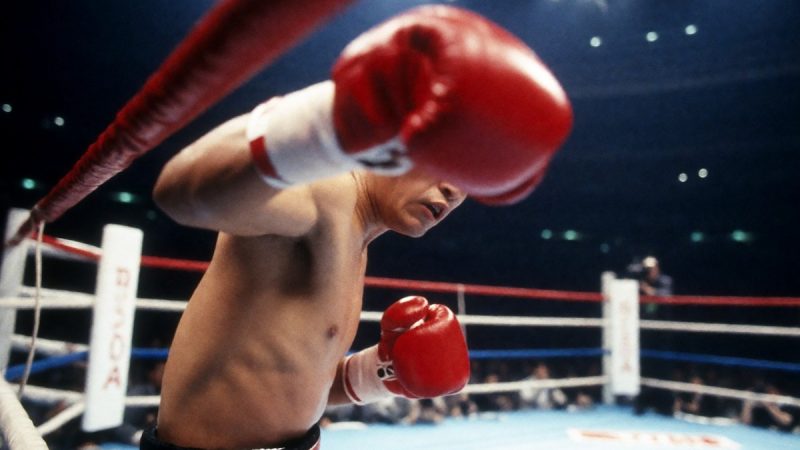
Ali discarded his usual movement and finesse to use the "rope-a-dope" strategy. In the first round, he used right-hand leads to disorient Foreman. Instead of using his usual quick footwork, Ali leaned against the ropes to absorb the heavy blows from Foreman, waiting for the younger fighter to exhaust his strength through constant, unsuccessful strikes to the body and arms. This tactic forced Foreman to waste energy on punches that did not land or were deflected. Because Foreman had been trained to cut off the ring, the strategy worked. Ali taunted Foreman during clinches, asking, "They told me you could punch, George!" By the fifth round, Foreman showed visible fatigue and his punches lacked snap. His fans feared Ali would be stunned by the powerful haymakers, but Ali remained in control. In the eighth round, Ali pounced with a combination of quick punches, including a left hook and a hard right straight that caught the champion off guard. These blows caused Foreman to buckle and fall to the mat. The referee counted him out with two seconds left in the round, giving Ali a knockout victory with scores of 68 – 66, 70 – 67, and 69 – 66. The crowd of 40,000 locals paid $10 for seats that offered obstructed views. Foreman later retired in 1977 after a loss to Jimmy Young. The rope-a-dope remains the most famous tactical gamble in heavyweight history.
Medical consequences and legacy
The physical toll of the match became a subject of medical investigation. Ali’s diagnosis of parkinsonism later drew attention to the connection between boxing and brain injury. Neurologists Mahlon R. DeLong, Michael S. Okun, and Helen Mayberg used PET imaging to support a diagnosis of young-onset idiopathic Parkinson disease. They noted Ali’s symptoms included bradykinesia, rigidity, and a left-sided tremor that improved with levodopa. While head trauma is a risk factor for Parkinson’s, these physicians could not prove a causative association in this case. This physical decline is a common reality for many veteran fighters.
In 1928, pathologist Harrison Martland described "punch drunk" syndrome, and later experts used terms like dementia pugilistica to describe severe cases. A 1969 British study found that one in six retired professional boxers suffered serious brain damage. Heavyweight champions like Joe Louis and Sugar Ray Robinson also suffered from neurological issues. You should know that researchers study how repeated head impacts affect the brain. Does the specific rope-a-dope tactic accelerate the neurological decline seen in many veteran fighters?
In 1996, Foreman helped Ali up the steps to receive an Academy Award for the documentary When We Were Kings. Ali had experienced tremors, slowness of movement, and slurred speech for years.