Mismanagement of LaMelo Ball’s workload and injury recovery
LaMelo Ball faces an extended absence due to a serious right ankle sprain sustained against the Orlando Magic. The Hornets struggle with offensive rhythm and significant deficits when attempting to manage his minutes during back-to-back game sets.
Ball’s right ankle sprain sidelines star
LaMelo Ball will miss an extended period of time because of a serious right ankle sprain sustained on Sunday against the Orlando Magic. The 23-year-old guard landed awkwardly on a layup attempt over Paolo Banchero and required assistance from trainers and teammates to exit the game. Ball now uses a walking boot and crutches to manage the injury, which avoids the fracture that ended his 2022-23 season. This setback hits the 5-10 Hornets at a difficult time, as Ball led the team with 24.7 points, 8.2 assists, and 5.5 rebounds while shooting 38.8 percent from three-point range. Without him, the rotation shifts toward Terry Rozier, rookie Brandon Miller, Theo Maledon, and Ish Smith. The injury history for the former third overall pick remains a concern, as he has struggled to stay on the floor throughout his career. He has averaged at least 23.3 points and 7.4 assists over his last three seasons, yet he only played 58 total games during the last two years. Miles Bridges recently returned from his suspension, and Terry Rozier just returned from injury. The team won two of their last three games following a four-game losing skid, but the roster lacks depth. This absence forces the team to rely on players like Collin Sexton and Spencer Dinwiddie to fill the vacuum. Can the Hornets stay competitive while their primary engine recovers?
Flawed back-to-back minute allocation
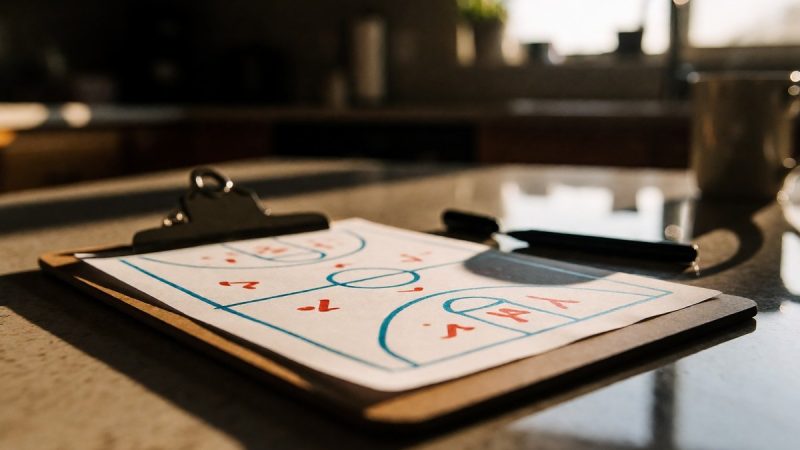
The Hornets’ strategy for managing Ball on back-to-backs contains significant flaws. The front office and coaching staff aim to limit his playing time to approximately 28 minutes on these occasions. The current strategy of benching Ball for one of the two games in a back-to-back set aims to keep him under 28 minutes and save his energy for the fourth quarter. However, Doug Branson noted that the team falls behind by more than eight points every time Ball enters the game after starting on the bench. In the recent ESPN game against the Orlando Magic, the score stood at 13-2 when Ball first entered the contest, and he struggled all night. You should observe how the team’s offensive rhythm fails when the starter remains on the bench during the opening period. A better approach involves distributing his 25 target minutes to prevent early deficits.
| Quarter | Proposed Minutes |
|---|---|
| 1st Quarter | 7 |
| 2nd Quarter | 4 |
| 3rd Quarter | 6 |
| 4th Quarter | 8 |
| Total | 25 |
The team currently faces a deficit that is difficult to climb out of. The San Antonio Spurs and New Orleans Pelicans have attempted similar workload management for Victor Wembanyama and Zion Williamson.
Brandon Miller takes the offensive load
Brandon Miller must absorb a higher offensive load because the team lacks a consistent scoring threat in Ball’s absence. The 22-year-old forward averaged 21.0 points and 4.9 rebounds last season before a right wrist injury forced him to miss 27 games in January. Miller is an athletic target in transition and currently maintains a 40.3 percent field goal percentage. The Hornets posted a 95.7 offensive rating and a 115.8 defensive rating over two games this season with Miller in the lineup. Ball’s inability to maintain health remains the primary hurdle for the franchise, especially as his usage may decrease as Miller’s increases. Miller, who is ranked as the 90th-best player in the NBA by analyst Frank Urbina, averaged 18.3 points and 4.4 rebounds throughout his career. He also shot 35.5 percent from three-point range during his previous campaign. The duo went 7-13 last season when they were both in the lineup. Ball’s career 83.6 percent free-throw shooting and 37.6 percent three-point shooting cannot help if he stays on the injury report.