Common mistakes with UFC’s first Australian stadium show
UFC 193 at Melbourne's Etihad Stadium drew 70,000 fans but suffered from operational flaws. Ticketing delays and venue bottlenecks frustrated attendees, while the broadcast split between Main Event and SKY diluted domestic hype for the historic Australian title fight.
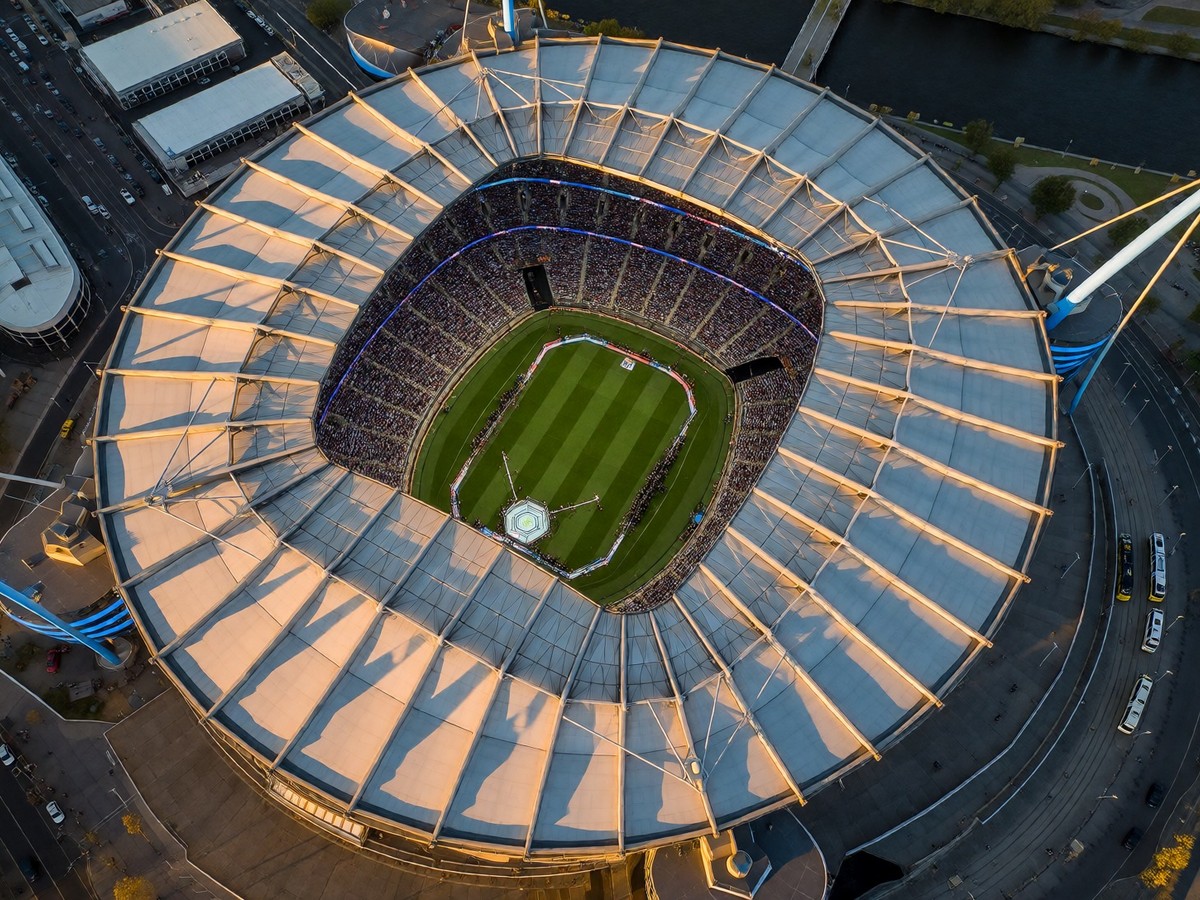
UFC 193 at Melbourne’s Etihad Stadium drew 70,000 fans for the first time a UFC championship belt went on the line in Australia. Dana White called it the "biggest UFC event EVER" and promised an insane night of combat sports. The card featured welterweight champion Robbie Lawler defending his title against Carlos Condit, a rematch between Mark Hunt and Antonio Silva, and several local stars fighting in front of their home crowd. While the scale was unprecedented, the execution revealed specific operational flaws that turned excitement into frustration for many attendees.
Ticketing and access failures
The presale structure created immediate confusion for dedicated fans who wanted VIP experiences. Registration for the microsite granted pre-sale access to tickets and a 30-day free trial to UFC FIGHT PASS, but the timeline for general sales started only on September 21 at 10 a.m. AEST. This delay meant that early registrants faced a long wait before they could secure standard seats, while VIP packages required separate sign-ups for behind-the-scenes access. I found this tiered system inefficient because it fragmented the buying process instead of streamlining it for high-demand events.
The venue itself presented logistical challenges due to its size. Etihad Stadium holds more than 53,500 seats under cover, making it the only football stadium in the Southern Hemisphere with a fully retractable roof. However, the sheer volume of people moving through the gates caused bottlenecks during entry and exit. Fans reported long queues for concessions and restrooms, which detracted from the atmosphere despite the electric energy inside the arena. The average revenue per ticket issued for similar Australian events has been around $162.19 AUD, suggesting that pricing was not the primary barrier to attendance, but rather the management of flow within such a massive space.
Card composition and broadcast issues
The fight card included strong local representation with Jake Matthews, Kyle Noke, and Daniel Kelly all competing. Yet, the main event draw relied heavily on Lawler’s recent form, having won seven of his last eight bouts since returning to the organization in 2013. Condit entered the fight after a dominant win over Thiago Alves, but his 14-month injury lay-off raised questions about his readiness for a five-round title defense. The broadcast in Australia aired on Main Event, while New Zealand viewers watched on SKY, creating a split market that may have diluted the domestic hype.
One significant oversight was the handling of the Hunt versus Silva rematch. Although billed as the greatest heavyweight fight of all time, the previous bout ended in a draw, leaving fans eager for a decisive conclusion. The lack of clear promotional focus on this specific rivalry compared to the main event left some supporters feeling underserved. Additionally, the event did not address the growing trend of discounted tickets seen in other markets, where poor sales led to price drops just weeks before the date. This contrast highlights how the UFC must balance prestige with accessibility to maintain momentum in new territories. Will the promotion adjust its approach for future stadium shows based on these initial hiccups?