Jon Jones heavyweight return timeline: myths vs facts
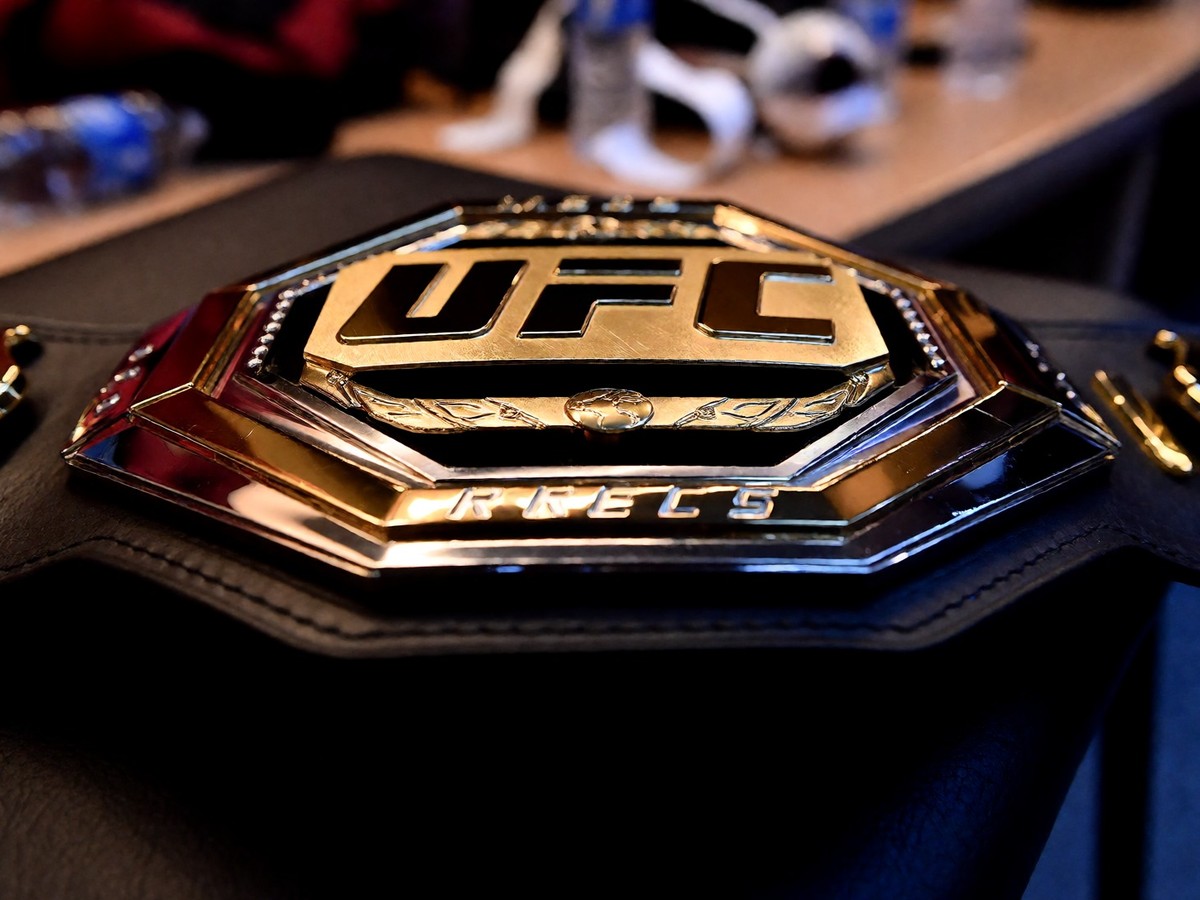
Jon Jones established his UFC legacy through pivotal bouts, including his 2011 victory over Shogun Rua to become the youngest champion. His career history spans from early disqualifications against Matt Hamill to intense championship battles against Alexander Gustafsson.
Early wins and the Hamill disqualification
Jones made his UFC debut against Andre Gusmao at UFC 87 on August 9, 2008. He won that fight via unanimous decision (30 – 27, 29 – 28, and 30 – 27) through the use of takedowns and unorthodox striking such as spinning elbows and a spinning back kick. He took on Stephan Bonnar at UFC 94 on January 31, 2009, and won via unanimous decision. In his third fight, he defeated Jake O’Brien at UFC 100 on July 11, 2009, through submission. In September 2009, he signed a new, four-fight contract with the UFC. On December 5, 2009, he fought Matt Hamill at The Ultimate Fighter: Heavyweights Finale. Jones used his wrestling to dominate Hamill, but the referee disqualified him for the use of illegal 12 – 6 elbows. The Unified Rules of Mixed Martial Arts prohibited downward elbow strikes, and the referee initially only penalized him a point from the round. A replay simulation showed that his elbows further damaged Hamill’s nose. The fight between Jones and Matt Hamill at The Ultimate Fighter: Heavyweights Finale on December 5, 2009, ended in a disqualification after the referee ruled that Jones used illegal 12 – 6 elbows. This marked the first time that Nevada used its recently enacted instant replay rule, where the commission used a slow-motion replay to review the elbows. Dana White argued that the result should have been a no contest, but the Nevada State Athletic Commission did not overturn the disqualification.
Title defense and the Sonnen decision
Jones defeated Brandon Vera by TKO on March 21, 2010, after an elbow used to stop the fight broke Vera’s face in three places. He then beat Vladimir Matyushenko by TKO with elbows in 1:52 of the first round on August 1, 2010. Dana White promised him a huge step-up in competition following that match. Jones stated he wanted a top-three opponent for his next fight. He defeated Ryan Bader via submission due to a guillotine choke in the second round at UFC 126 on February 5, 2011, after he dominated Bader in the first round. After replacing Rashad Evans, Jones defeated Mauricio "Shogun" Rua by TKO at 2:37 of Round 3 at UFC 128 on March 19, 2011, and he became the youngest ever UFC champion. He defended the title against Quinton Jackson on September 24, 2011, via rear naked choke submission. Jones also beat Lyoto Machida at UFC 140 via guillotine choke technical submission, which marked the first submission loss in Machida’s career. He later beat Rashad Evans via unanimous decision at UFC 145 on April 21, 2012. Dana White criticized Jones for declining a fight against Chael Sonnen and called the decision selfish and disgusting. You should remember that Jones’s decision to decline the fight against Sonnen was defended by MMA analysts who criticized White for promoting a thin card.
The Gustafsson fight and historical context
Jones faced Alexander Gustafsson at UFC 165 on September 21, 2013, and won via unanimous decision (48 – 47, 48 – 47, and 49 – 46). Both fighters were sent to the hospital with lacerations and facial swelling, but they left without broken bones. The bout earned both fighters the Fight of the Night bonus award and received reviews calling it an instant-classic. Jones said Gustafsson gave him the toughest fight of his career. Jones also defeated Chael Sonnen via TKO in the first round at UFC 159, though he broke his big toe during the match. His coach, Greg Jackson, stated that it was difficult to prepare for Sonnen with only three training days left. This win allowed him to tie Tito Ortiz for having most consecutive title defenses in UFC light heavyweight history. He defended the belt against Vitor Belfort at UFC 152 on September 22, 2012, using an Americana submission in the fourth round. He entered that fight as a 13-to-1 favorite after he nearly suffered a submission via armbar in the first round. Did the intense pressure of maintaining his undefeated streak influence his tactical choices during these championship bouts?