Middleweight shifts and the rule of five rounds
Middleweight rankings remain unstable following Sean Strickland's victory over Khamzat Chimaev. Meanwhile, veteran Robert Whittaker prepares for a light heavyweight debut against Nikita Krylov while the UFC enforces stricter five-round rules for championship bouts.
Middleweight Shuffle and Chimaev’s Path
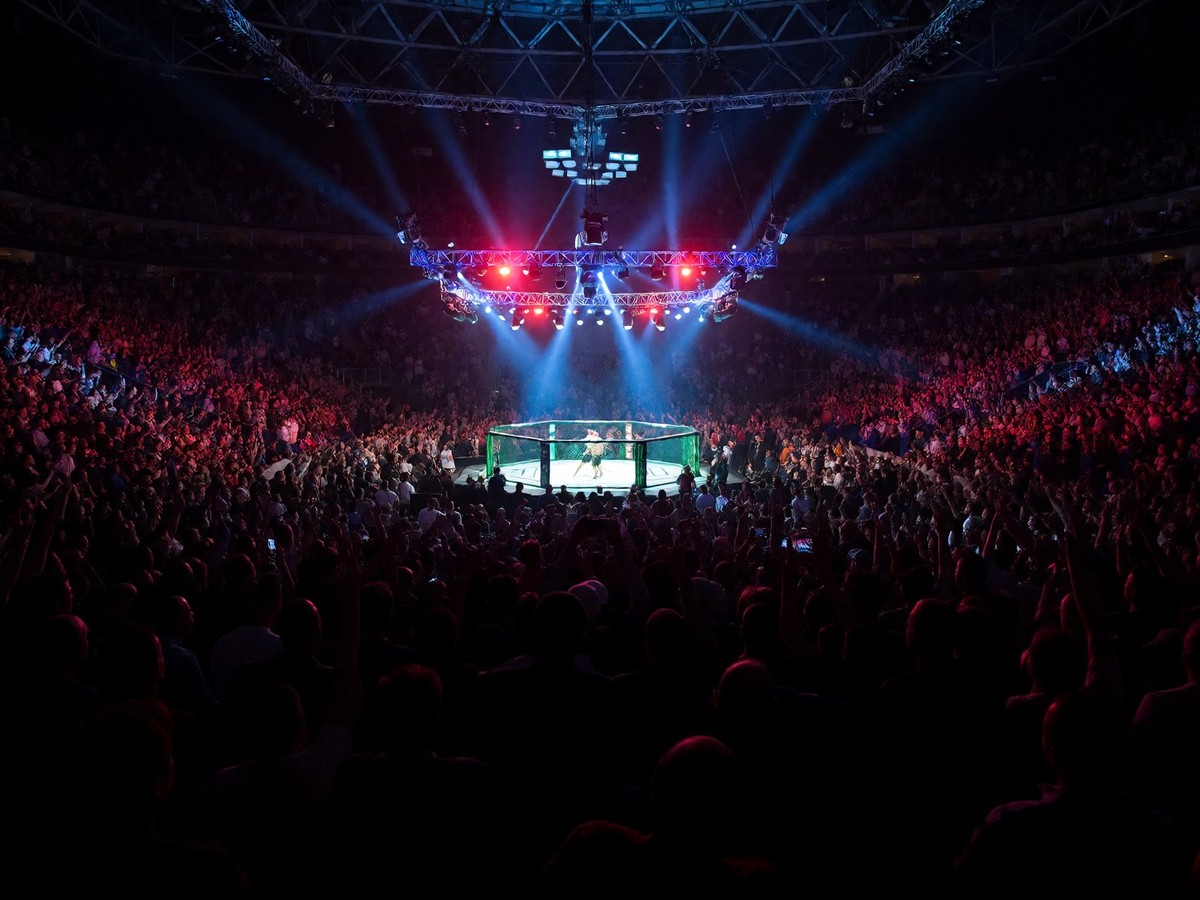
The middleweight shuffle provides the most unpredictable action for fans following recent title changes. The middleweight division remains in flux following Sean Strickland’s victory at UFC 328. Strickland defeated Khamzat Chimaev via split decision to reclaim the 185-pound belt. This win makes Strickland one of only two fighters in history to win the middleweight title twice. Chimaev, who entered the cage as a 4 to 1 favorite, struggled against the weight cut that forced him from 231 pounds to 185 pounds. He controlled the first round with wrestling, but he slowed significantly in the later rounds. His camp now demands an immediate rematch, but Strickland prefers to defend against Nassourdine Imavov to respect the official rankings. Chimaev faces three distinct paths: a rematch with Strickland, a move to light heavyweight, or a grudge match against Paulo Costa, all of which depend on how the UFC manages the upcoming London card. I find the instability in the middleweight ranks following the Chimaev loss to be the most unpredictable element of the current season.
Whittaker’s Transition to 205
Whittaker’s move to light heavyweight is a logical step for a veteran who feels the physical strain of the 185-pound cut. He aims to debut against Nikita Krylov at UFC 329 on July 11, 2026, at the T-Mobile Arena in Las Vegas. After a long run in middleweight, Whittaker experienced two recent losses to Chimaev and Reinier de Ridder. De Ridder defeated Whittaker via split decision in Abu Dhabi on July 26, 2025. I observe that his decision to move to the 205-pound division stems from a desire to prioritize his health and training enjoyment. He believes his speed and physicality will translate well against the taller athletes in this new division. Whittaker, who holds a 27 to 9 professional record, expects his experience to carry him through this change.
| Fighter Detail | Specification |
|---|---|
| Current Division | Light Heavyweight |
| Previous Division | Middleweight |
| Total MMA Record | 27 to 9 |
| Walkaround Weight | 220 pounds |
| Height | 6 feet 0 inches |
Whittaker has spent much of his career fighting abroad, and his upcoming move is a significant shift in his long-term career strategy. He notes that training at a heavier weight during his recent camps helped him feel better during the lead-up to fights. You should expect him to utilize his speed against Krylov, who recently secured a finish over Modestas Bukauskas. Whittaker previously defeated Paulo Costa at UFC 298, and he believes his skill set remains at a championship level regardless of the weight.
Rules and Scoring Logic
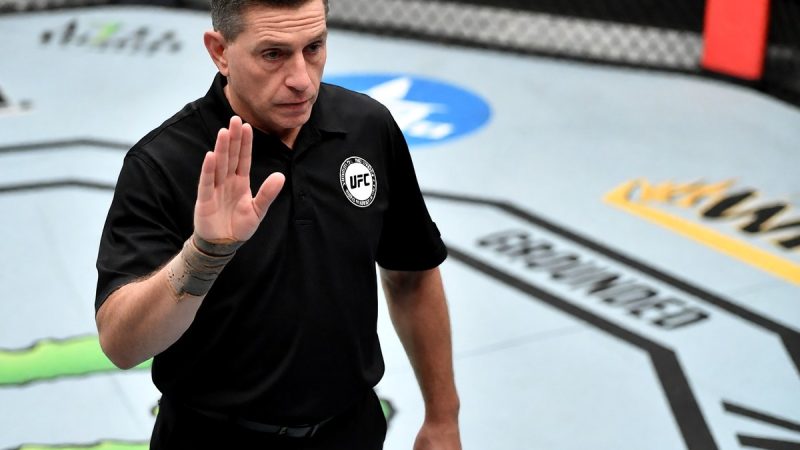
The Unified Rules of Mixed Martial Arts provide the essential structure that keeps these high-stakes bouts fair. I notice the UFC strictly enforces five-round durations for championship fights and certain main events. This differs from standard three-round bouts which total 15 minutes. Judges score each round independently using a 10-point must system. Effective striking and grappling carry the most weight in their decision process, while effective aggressiveness and fighting area control follow as secondary criteria. A fighter who lands fewer strikes but causes visible damage often secures a 10-8 round. Does the current scoring hierarchy sufficiently reward fighters who prioritize damage over volume?
The Association of Boxing Commissions also defines specific fouls to protect athlete safety. Referees penalize eye gouging, groin strikes, and strikes to the spine or back of the head. The rules clarify that a fighter is considered grounded if any part of their body, other than their hands or feet, is on the mat, a definition that changed in 2024 to prevent gaming the system. I find the rule regarding grounded fighters particularly important for understanding how weight and positioning influence scores. Effective striking involves the impact and effect of legal strikes, where immediate impact outweighs cumulative strikes. A 10-7 round remains extremely rare and requires near-fight-ending dominance with multiple close calls. Judges no longer require a knockdown to score a 10-8 round, as sustained ground control or relentless striking can earn it.