Why Italy’s December 2026 Serie A1 volleyball derby schedule matters
Athletes face significant logistical hurdles traveling across 15 Italian regions, from the northern Alps to the volcanic heights of Mount Etna, during the December Serie A1 volleyball matches. The 301,340 square kilometer terrain presents unique winter travel challenges for competing teams.
Athletic precision and European popularity
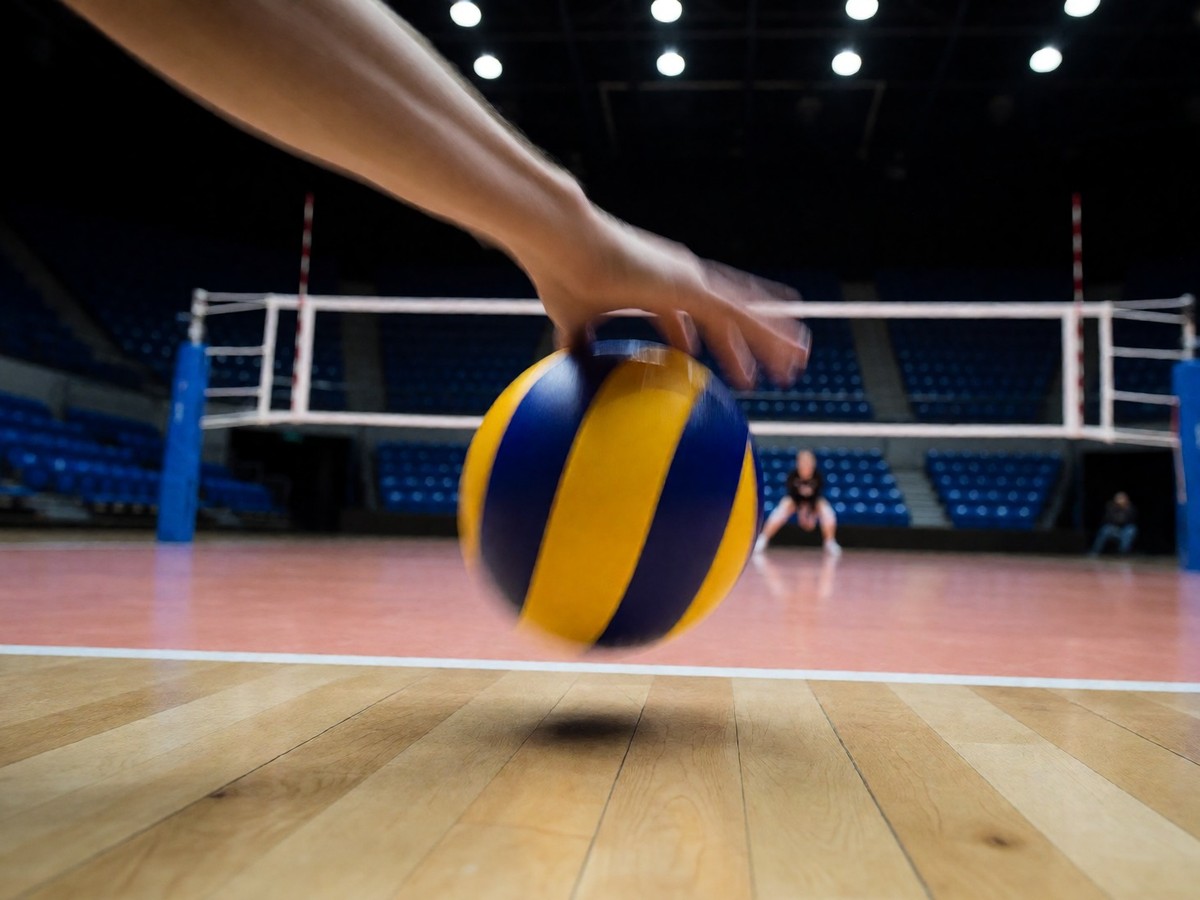
Volleyball demands extreme coordination and explosive movement. Since the sport requires teams to utilize no more than three touches to return the ball, players must coordinate their movements perfectly to ensure the attacker can direct the ball effectively over the net. William G. Morgan created mintonette in 1895 at the YMCA. Rules underwent significant changes, such as the introduction of the three-hits rule in the Philippines in 1916. Today, professional coverage through Volleyball World provides updates on player stats and international rankings. Players use spikes and blocks to win rallies, which necessitates a strong vertical jump. Europe has enjoyed the sport’s popularity, especially in Italy and the Netherlands, since the late 1980s. Faults like net fouls, foot faults, or double hits frequently disrupt the rhythm of professional matches. Each team consists of six players who rotate clockwise after gaining possession of the service. The service starts the rally, requiring the player to toss or release the ball and hit it from behind the back boundary line. An attack involves directing the ball over the net so the receiving team cannot pass it. Teams consist of six players, and the court measures 9 meters by 18 meters.
Diverse landscapes and regional travel
The December schedule places athletes in varied environments across the Italian peninsula. Matches move through 15 regions, including the mountainous Aosta Valley and the wine-producing hills of Piedmont. Competitors travel through Lombardy, where Milan acts as an industrial heart, and Veneto, known for the beauty of Venice and Verona. The geography presents a mix of the northern Alps and the Apennine backbone, which stretches 1,200 km south.
| Feature | Measurement |
|---|---|
| Court Length | 18 m |
| Court Width | 9 m |
| Net Height (Men) | 2.43 m |
| Net Height (Women) | 2.24 m |
| Attack Line Distance | 3 m |
The vast terrain, covering 301,340 square kilometers, presents unique challenges for winter travel. How will the December climate in the Alpine regions affect the traveling teams? You might already know the difficulty of playing in different climates, but the shift from the Mediterranean coast to the high peaks of the Gran Sasso creates significant hurdles. The landscape includes the island of Sardinia and the volcanic heights of Mount Etna. Travelers navigate from the sunny shores of Puglia to the historic valleys of Umbria. The variety of landscapes, from the sea in Liguria to the lakes in the north, defines the itinerary. The peninsula also includes the diverse coastal regions of Campania and the mountains of Abruzzo. The Adriatic Sea to the east and the Tyrrhenian Sea to the west flank the coast.
Historical depth and linguistic heritage
The cultural atmosphere intensifies the event. The Italian language, a Romance language with 64 million native speakers, permeates the local customs. This linguistic heritage, shaped by the works of Dante and the influence of the Renaissance, surrounds the modern stadiums. History on the peninsula includes the power of the Roman Republic, founded in 509 BC, and the maritime republics like Genoa and Amalfi. The Roman Republic established an oligarchic system after expelling the monarchy. Following the fall of the Western Roman Empire, the peninsula saw a succession of kingdoms, including the Lombard kingdom. Later, the Holy Roman Emperors and the Papacy dominated politics until the rise of independent city-states. These cities, such as Milan, Florence, and Venice, played an important role in financial development by devising banking practices. During the Renaissance, the wealth of merchant cities and the patronage of families like the Medici fostered the arts and sciences. Because the printing press helped spread these developments, with 56 presses in Italy by the year 1500, cultural growth accelerated. The December matches provide a striking connection between modern athletic rigor and the deep historical roots of the Italian peninsula.