Zenit Kazan betting odds and Russian budget constraints
Zenit-Kazan and Dynamo Moscow share 2.50 betting odds for the men's Super League gold. New Russian fiscal measures, including a VAT increase to 22% and gambling levies, create financial pressure alongside mandatory club expenses for digital marketing and stadium technology.
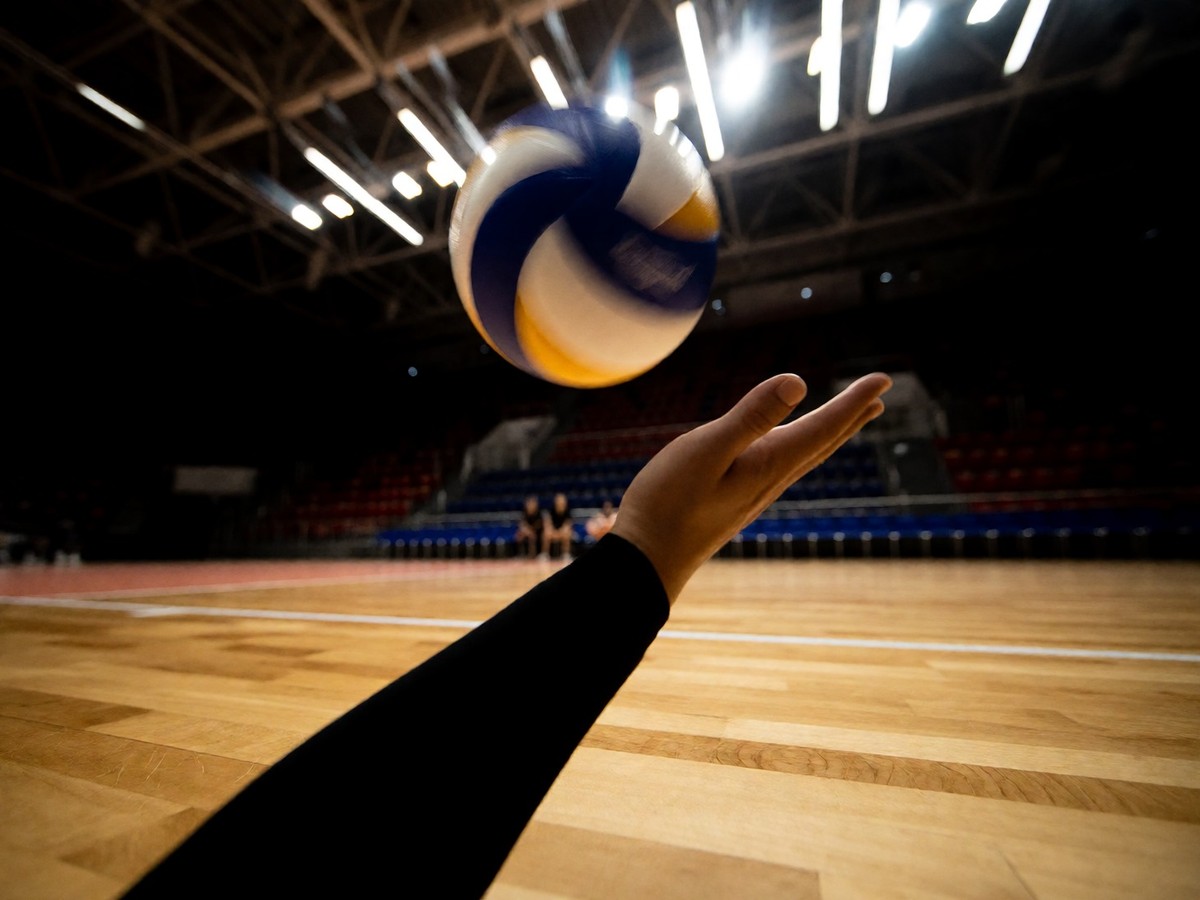
Tournament parity and gold medal stakes
Zenit-Kazan occupies a shared leading position in the men’s Super League betting market. Bookmakers at Betcity priced both Zenit-Kazan and Dynamo Moscow at 2.50 to win the gold. The championship provides the sole certain way for clubs to reach the CEV Champions League following the announcement by the European Volleyball Confederation regarding Russian club participation in the 2027/28 season. Experts suggest that limited quotas make the title the only guaranteed way to enter the European elite. The men’s tournament began on October 16, while the women’s tournament started on October 3. In the women’s league, Dynamo-Ak Bars remains the clear favorite with odds of 1.50. Zenit-Kazan, the 11-time champion founded in 2000 and formerly known as Dinamo Tattransgaz Kazan, faces a tight race against the capital’s Dynamo. The club plays at the Kazan Volleyball Centre on Midhat Bulatov Street. You already know the competitive nature of the league, but the current betting odds show a deadlock between Zenit-Kazan and Dynamo Moscow.
Fiscal pressure and new taxation
The Russian federal budget for 2026 imposes new fiscal constraints on all domestic organizations. The Ministry of Finance announced a plan to increase the standard value-added tax from 20% to 22% starting January 1, 2026. An additional RUB 1.2 trillion enters the budget to help cover a projected deficit of 1.6% of GDP. To fund the military, the government also implements a 5% levy on accepted bets and a 25% profit tax on the gambling industry. The Ministry of Finance presented a draft budget that prioritizes defense and security while cutting military spending from RUB 13.5 trillion to RUB 12.6 trillion for the first time in three and half years of war. Prime Minister Mikhail Mishustin suggests the deficit could reach 2% to 2.2% of GDP, while the government also considers a 10% cut to non-sensitive spending. The Ministry of Economy expects GDP growth to slow to 1.3% in 2026. This slowdown follows a period of higher growth before the central bank acted to cool the economy.
| Metric | Value/Rate |
|---|---|
| Zenit-Kazan Men’s Gold Odds | 2.50 |
| Dynamo Moscow Men’s Gold Odds | 2.50 |
| Dynamo-Ak Bars Women’s Gold Odds | 1.50 |
| VAT Increase (from Jan 2026) | 22% |
| Gambling Profit Tax | 25% |
| Gambling Bet Levy | 5% |
| Projected 2026 GDP Growth | 1.3% |
| 2026 Federal Revenue | RUB 40.283 trillion |
| 2026 Federal Expenditure | RUB 44.869 trillion |
Marketing mandates and club expenses
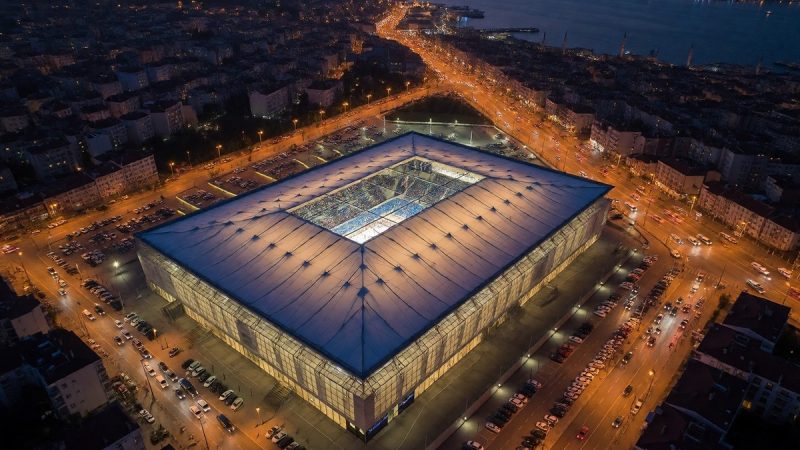
Mandatory marketing reforms create significant financial burdens for Super League teams. Clubs must now pay for the Capital System software, which demands 800,000 rubles annually for training, certification, and server maintenance. The federation also requires the installation of access control systems at home arenas. Equipping a stadium with five turnstiles and a full ticketing system costs a club approximately 10 million rubles. This expense equals a contract for a single player in a men’s starting six. The government allocated 350 million rubles toward the development and popularity of Russian volleyball through the All-Russian Volleyball Federation. This subsidy aims to fund various events, yet individual clubs struggle with new costs for digital tools and social media management. Most women’s clubs, besides wealthy teams like Dynamo Moscow and Kazan, reject these changes because they lack sufficient spectator flow. Many teams consider these expenses for automated ticketing and scanners to be wasteful. The clubs must also hire staff like SMM managers, who earn an average of 40,000 rubles monthly, to meet the new social media requirements. Clubs must also maintain official social media accounts on platforms like VKontake, Instagram, and Facebook to meet the regulations. The federation recommends equipment from the Kazan-based company Infomatika or the firm Infotech. Will the federation continue to penalize clubs that refuse these expensive digital upgrades?