Inoue’s Tokyo Dome unification and the visa bond trap
Naoya Inoue defeated Junto Nakatani before 55,000 fans at the Tokyo Dome, setting a new Japanese boxing attendance record. The U.S.
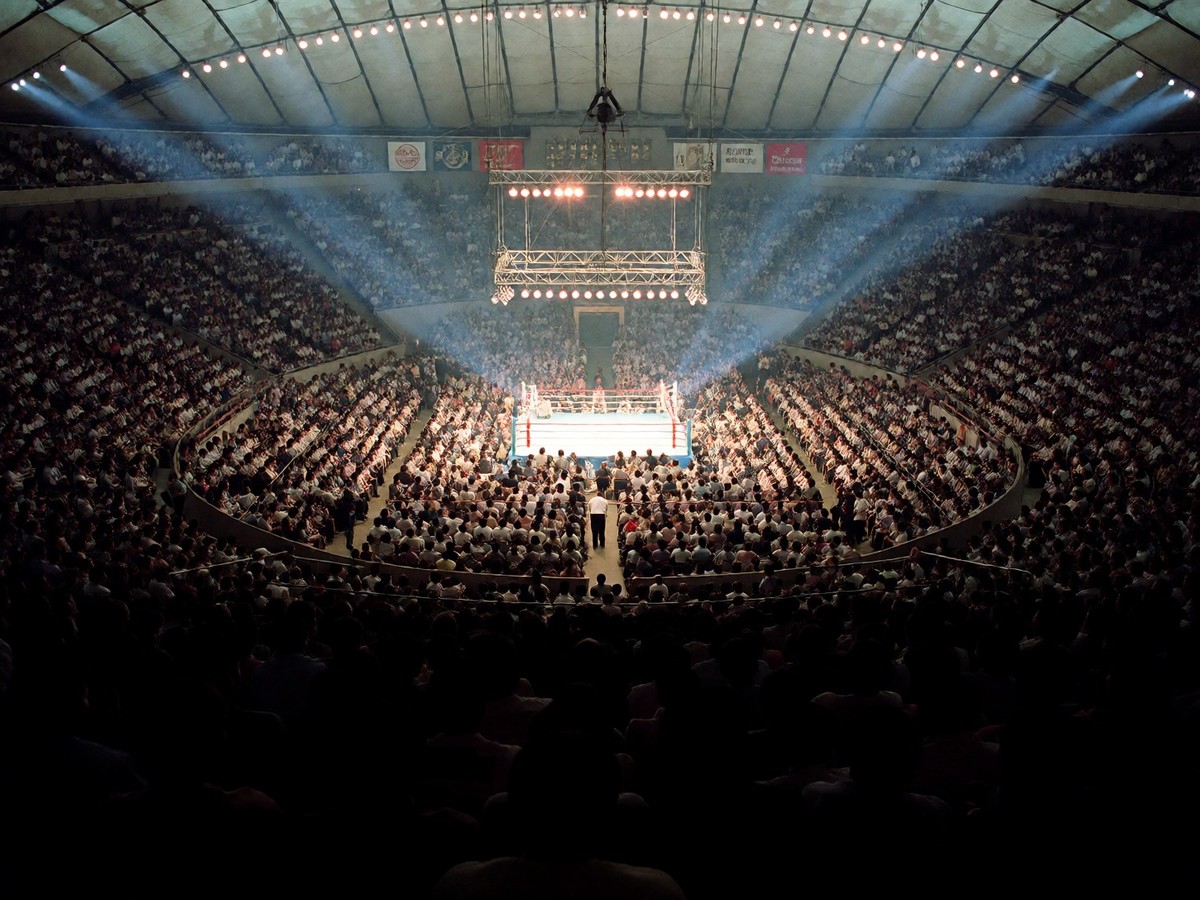
Naoya Inoue defeated Junto Nakatani by unanimous decision in May 2026 before a sell-out crowd of 55,000 at the Tokyo Dome. The bout set a new attendance record for Japanese boxing and marked Inoue’s seventh title defense as undisputed super bantamweight champion. Both fighters entered with identical 32-0 records, making this the biggest all-Japanese fight in history. Inoue gave up an eight-centimetre height advantage to Nakatani, who is five years younger and taller. Despite being knocked down twice in his last two fights, Inoue controlled the pace against the southpaw. Nakatani started strong but faded over the second half, failing to close the gap on the pound-for-pound rankings. This victory solidified Inoue’s status as boxing’s biggest draw outside the United States. He now targets a February 2027 rematch against Jesse Rodriguez at Mizuho PayPay Dome Fukuoka, aiming to surpass the 55,000-fan turnout. The timeline is tight because Inoue plans to move up to featherweight shortly after, creating an eight-pound weight gap that must close quickly.
Visa bond rules complicate U.S. travel
The U.S. Department of State made its Visa Bond Program permanent on August 3, 2026, targeting nationals from countries with high overstay rates. Applicants for B-1 or B-2 visitor visas from these nations must post a refundable bond ranging from $10,000 to $20,000, with $15,000 serving as the expected default amount. Consular officers determine the specific bond level based on individual circumstances during the interview. During the preceding 12-month pilot, nearly 97% of bonded travelers did not overstay their visas, proving the program effective. However, B visa issuance fell by 83 percent in the listed countries during the first ten months of the pilot. The permanent rule expands admission limits to normal periods at Customs and Border Protection discretion, unlike the pilot’s strict 30-day cap. Travelers must enter and exit through designated commercial airports, such as Boston Logan, JFK, and Chicago O’Hare, avoiding land or sea ports entirely. Noncompliance triggers bond forfeiture and review by U.S. Citizenship and Immigration Services. Filing for asylum automatically forfeits the bond regardless of the claim’s merits. You should verify your passport country against the current list on travel.state.gov before planning any trip. Japan is not currently on the list, but the program allows for rolling updates with 15 days’ notice for additions. The financial burden discourages casual tourism, effectively filtering out applicants who cannot afford the upfront cost. This creates a clear barrier for fans hoping to attend future international bouts in the U.S. without significant capital reserves.
Financial impact on boxing operations
Boxing promoters face higher logistical costs when scheduling events in the United States due to these immigration hurdles. The 20,000 bond-subject applications filed during the pilot show that only 10 percent were anticipated, indicating unexpected demand despite the barriers. Nearly half of those applicants did not proceed with bond payments, suggesting the cost acts as a hard stop for many. For international fighters like Luis Nery, who was briefly banned from entering Japan previously, visa issues add layers of complexity to career planning. The permanent program explicitly anticipates ongoing reduced demand for visitor visas in covered countries. Promoters must budget for potential delays or cancellations if key personnel cannot secure timely entry. The bond system does not cover F-1 student visas yet, though that may change after September 15, 2026, when fixed departure dates replace duration of status admissions. This exclusion leaves a gap for foreign boxers training in U.S. gyms under student visas. The administration aims to protect taxpayers from billions in costs associated with illegal presence. Yet the strict enforcement risks alienating international talent who rely on fluid movement between countries. Inoue’s upcoming fight in Fukuoka avoids these U.S. regulatory headaches entirely. The domestic market remains his primary arena, where attendance records continue to break. Whether he will return to U.S. soil for another major event depends on how the bond rules affect his camp’s logistics.