The biggest risks in the 2026 World Series rematch scheduling
The 2026 World Series features a unique matchup between the Milwaukee Brewers and Tampa Bay Rays, both playing in domed stadiums. This setup introduces unpredictable roof interference and a four-day rest disparity, with Milwaukee holding an eight-day advantage over Tampa Bay.
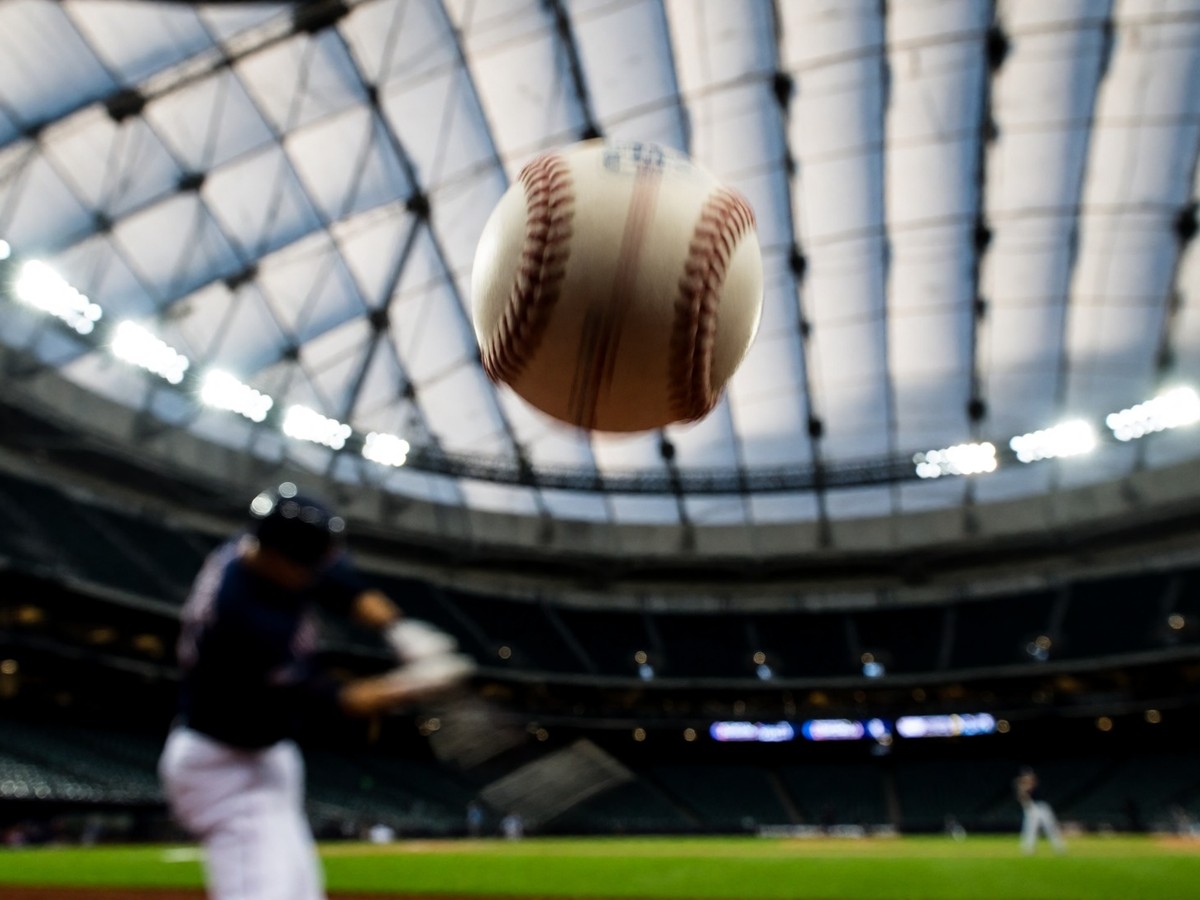
The Milwaukee Brewers and Tampa Bay Rays face a logistical trap that no other pairing in baseball history has confronted. Both teams play in domed stadiums, creating a scenario where roof interference could dictate outcomes in ways open-air venues never do. This setup introduces a variable that scouts and analysts cannot fully quantify before the first pitch.
Unpredictable physics and rest disparities
I view the dome factor as the primary risk because it removes standard environmental consistency. In game 1 of the NLDS, the San Diego Padres hit a ball off the roof while trailing 3-2 against Milwaukee. The umpires called the batter out rather than awarding a two-run home run, a decision that hinged entirely on the physical structure. Whether that play would have been a homer without the roof is debatable, but the fact remains that either stadium could produce similar anomalies during this series. You know how domes affect batted balls, but you have never seen a World Series played entirely within them. That lack of precedent makes projection models less reliable than usual.
Rest disparities add another layer of complexity to the matchup. The Brewers finished their National League Championship Series quickly, giving them eight days of rest before the World Series begins. The Rays required six games to win the American League Championship Series, leaving them with only four days of recovery. A four-day difference is enough to alter preparation levels and fatigue management significantly. I see this gap as a tangible advantage for Milwaukee, especially given their regular season record of 103 wins compared to Tampa Bay’s 98.
| Metric | Milwaukee Brewers | Tampa Bay Rays |
|---|---|---|
| Regular Season Wins | 103 | 98 |
| Days Since Last Game | 8 | 4 |
| Playoff Batting Average | .250 | .232 |
| Stadium Type | Dome | Dome |
The statistical edge for the Brewers is clear when looking at recent performance. They swept the Los Angeles Dodgers in the NLCS, becoming the first team to sweep a playoff series against a club that had swept them the previous year. All six statistical categories in that series were identical, an occurrence so rare it feels like a glitch in the data. While the Rays posted a .258 regular season batting average, matching Milwaukee, their playoff slump to .232 suggests they may struggle under pressure. The Brewers’ .258 regular season mark held steady at .250 in the playoffs, indicating better consistency.
Broadcast logistics and audience retention
Fox carries every game of the 2026 World Series, ensuring maximum visibility for the network. The schedule runs from October 23 through a potential Game 7 on October 31, fitting neatly into the Halloween weekend slot. This timing aligns with peak autumn viewership patterns, though it also means competing against other major entertainment releases. The previous year’s finale drew 27.3 million total viewers across Fox, Fox Deportes, and streaming platforms, setting a high bar for this year’s broadcast.
That 27.3 million figure represents the largest audience for any Major League Baseball telecast since 2017, which brought in just over 29 million people. Saturday’s telecast was 16 percent ahead of the last World Series game seven in 2019, although Nielsen did not include out-of-home viewing before 2020. The peak audience reached 33.06 million viewers between 11:45 p.m. and midnight ET, demonstrating strong late-night engagement. Can the Brewers and Rays sustain that level of interest if the series ends early? The answer depends on whether the dome-induced chaos provides enough narrative tension to keep casual fans watching through a shorter series.