The 1997 Coronation: Tiger Woods and the evolution of the Masters
Tiger Woods secured a historic 12-stroke victory at the 1997 Masters, setting a record that highlights the shift from traditional play to modern analytics. Augusta National has since increased course length from 6,925 to 7,555 yards to challenge power hitters like Scottie Scheffler.

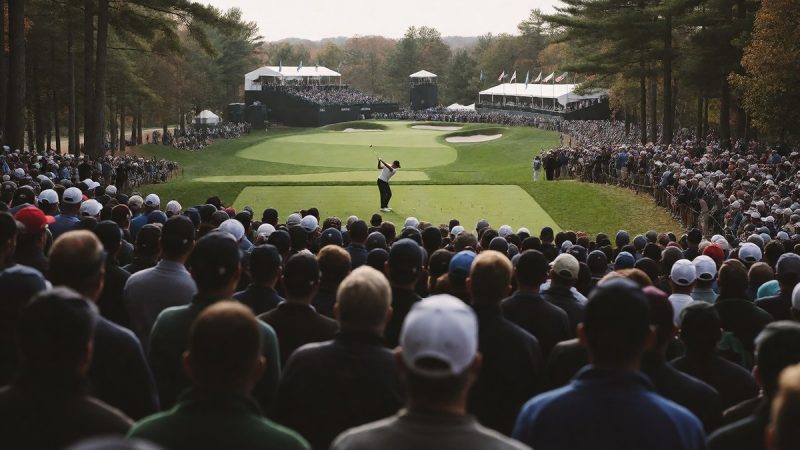
Tiger Woods shot a 270 to win the 61st Masters in 1997. At 21 years old, he finished 12 strokes ahead of Tom Kite. This margin remains the largest in the history of the tournament. I find the gap between Woods and the rest of the field during that week the most staggering detail. After he shot a 40 on the front nine, he produced a 30 on the back nine to finish with a 70. He sat three strokes behind leader John Huston after that opening round. The 1997 victory occurred at the same venue where Horton Smith won the first "Augusta National Invitation Tournament" on March 22, 1934, with a $1,500 prize. Back then, 17 Augusta National members personally chipped in because the club could not afford the winnings. The course layout then used holes 10 through 18 as the first nine. The 1997 victory surpassed Jack Nicklaus’s 1965 scoring record of 271 and remained second only to Old Tom Morris’s 13-shot margin at the 1862 Open. Tommy Tolles and Tom Watson finished in the top four that year. The final round broadcast on Sunday drew an estimated 44 million viewers in the United States.
Fighting the Length
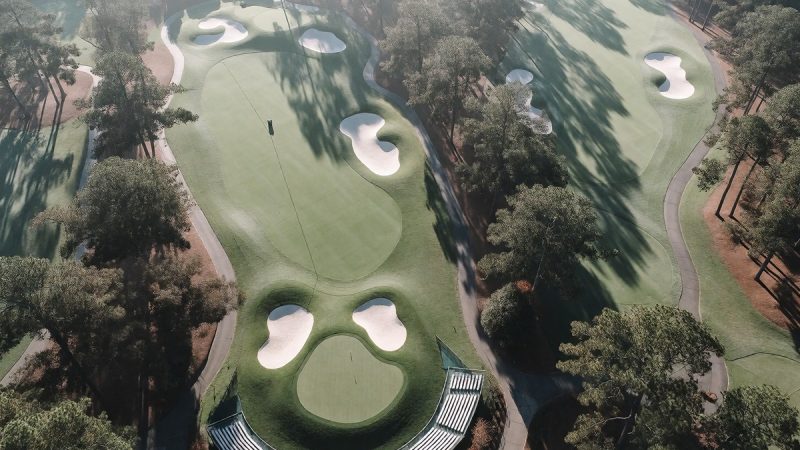
Augusta National modified the course to combat power hitters. In 1997, the course measured 6,925 yards. By 2023, the course reached 7,555 yards. In 1997, the course measured 6,925 yards, but by 2023, the course reached 7,555 yards, representing a massive increase in length that forced players to reconsider their club selection. Architects like Tom Fazio moved tees and rebuilt greens to increase difficulty. The 13th hole reached 510 yards. The 15th hole reached 550 yards. The club also added thick rough to the second cut of the fairway. You probably know the course has grown, but the specific yardage increases changed how players approach the par-5s. The 13th hole once offered a reachable par-5, but it now requires more precision. The 14th hole fairway bunker was moved and deepened by Fazio, requiring a 315-yard drive to clear it. On the sixth hole, the back right plateau was enlarged while the back left section was flattened. The club also expanded the fifth hole in 2018 by rerouting a section of Old Berckmans Road. The 10th hole tee moved back nearly 25 yards to accommodate a redesigned green. On the 11th hole, the club removed a cross bunker in 1966. On the 12th, Jack Nicklaus suggested replacing a single bunker with clusters of bunkers and mounds. I find these constant modifications a failed attempt to stop the dominance of long hitters.
Modern Success Trends
Scottie Scheffler won his second Green Jacket in 2024. He also took the title in 2022 by three strokes over Rory McIlroy. Modern players use strokes gained metrics to manage the course. Thirteen of the last 15 winners ranked inside the top 40 in par-5 scoring in the year before their victory. This data shows that dominating par-5s remains a requirement for success. Scheffler’s play showed a level of control that mimics the dominance seen decades ago. He finished his 2024 victory with a level of consistency that reflects the era of Tiger Woods. Rory McIlroy won the 2025 tournament after an 11-year wait. 15 of the last 15 winners ranked inside the top 30 in SG: T2G in the year leading up to their Masters win. 14 of the last 15 winners had at least one top-8 finish in the seven events prior to the Masters. 14 of the last 16 winners had at least four previous career PGA Tour wins. 13 of the last 16 winners had won a tournament on U.S. soil within the two years leading up to their Masters win. 21 of the last 26 winners had played in at least three previous Masters before their win. 15 of the last 16 winners ranked inside the top 50 in driving distance in the year leading up to their win. Does the reliance on advanced analytics make the tournament easier for the favorites?