Italy’s women’s volleyball rebuild and FIVB SRY testing rules
Julio Velasco's return to coach Italy's women's team coincides with new FIVB regulations mandating SRY gene testing for eligibility. The updated rules replace flat fees with a tiered scale and restrict players to categories based on Y chromosome presence, impacting roster management.
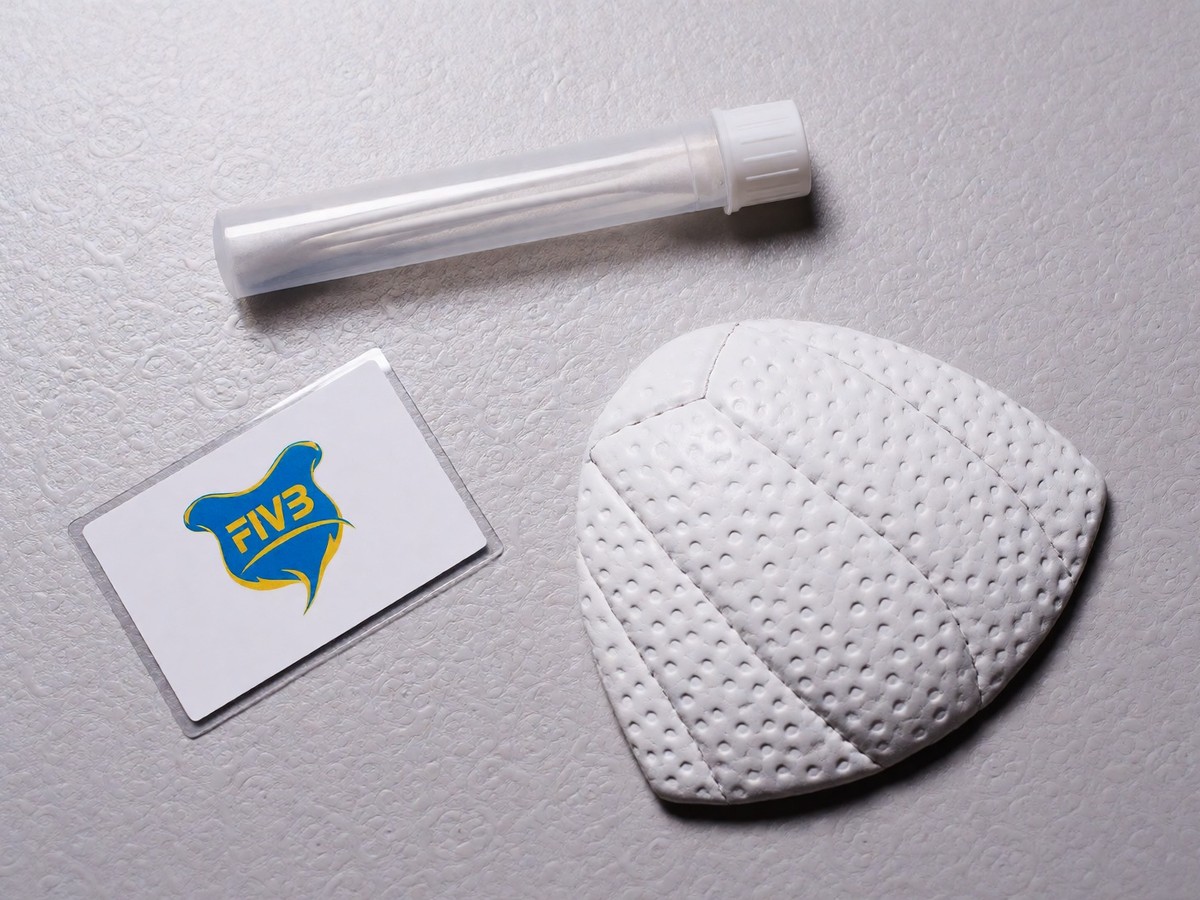
The FIVB Sports Regulations, approved by the Board of Administration on 8 May 2026 and in force from that date, redefined the criterion for eligibility in a sex category based on SRY gene testing. This shift converted the previous flat fee for changing federation origin into a tiered scale ranging from twenty thousand francs down to five thousand francs. The new rules determine competitive participation strictly by the presence or absence of the Y chromosome, with its presence restricting players to the men’s category only. National federations now bear the responsibility of proving player eligibility through results from laboratories approved by the FIVB or the relevant confederation. If a test result does not match the registered category, the decision is final and not subject to appeal, though the route for applying for a change of sex category remains open to the player. Intentionally entering a player in the wrong category is referred directly to the Disciplinary Panel for sanction.
New biometric enforcement
The most significant change in this edition is the explicit use of genetic markers to define competitive categories rather than determining personal identity. The text states expressly that the federation does not seek to determine the sex or gender of any person, but is establishing a criterion for participation in a competitive category. Each national federation must provide the result of an SRY test from an approved laboratory for every player it enters in a specific category. The competition’s medical delegate may require an independent test where valid medical grounds exist, and who bears its cost depends entirely on the test result. The adjudicating body changed its name from the Gender Eligibility Committee to the Sex Eligibility Committee, retaining the requirement of at least one male and one female member. This committee must take into account the player’s physiological development and puberty in reaching its decision.
For players who had been registered with another federation before 3 November 2020 and before the season in which they turned fourteen, a separate route with specified documents is provided. This special path requires proof of a legal restriction arising from nationality laws, a residence permit, three years’ continuous residence, and the player’s undertaking to apply for nationality as soon as the conditions are met. In place of the old flat fee, the tiered scale sets the amount on the basis of the difference in division between the two federations and the number of years the player has spent with the federation of origin. Where the federation of origin does not consent to a change, the power of decision was given to the Executive Committee of the federation. These regulations govern the status of players, teams, leagues, and agents, including eligibility to play for a national team and nationality changes. Financial disputes are heard by the FIVB Tribunal, and non-compliance with its decisions carries an independent sanction.
Coaching and structural context
Julio Velasco’s return to lead Italy’s women’s program coincides with these stricter regulatory frameworks, creating a complex environment for roster management. The FIVB, founded in France in April 1947, has grown to count 222 affiliated national federations as of 2020, making consistent rule application across continents challenging. In 2026, despite the war still ongoing, all sanctions on Russia were lifted, allowing the country to resume competing with its flag and anthem in all international competitions. This restoration impacts qualification pathways and seeding for major events like the World Cup and Olympic Games. The FIVB moved its headquarters from Paris to Lausanne, Switzerland, in 1984 under Mexican president Ruben Acosta Hernandez, intensifying its policy of promoting volleyball worldwide. Current leadership includes Fabio Azevedo as president, overseeing the Board of Administration and the Executive Committee.
The introduction of the "FIVB Heroes" promotion in Rome uses billboards, posters, and statues of top beach volleyball players to enhance visibility, though this campaign focuses on beach rather than indoor volleyball. The main activity of the FIVB involves worldwide planning and organisation of volleyball events, sometimes in conjunction with other international governing bodies such as the IOC. It defines qualification procedures and competition formulae for tournaments, as well as specific details such as player line-up and replacement restrictions. The FIVB maintains extensive special programmes aimed at the advance of world volleyball, including the constitution of development centers in areas where the sport is still unpopular. Support for organizations that fail to meet quality standards required on an international level includes instruction and equipment. Congresses, workshops, and courses for referees, coaches, and teachers promote grassroot volleyball development through initiatives like the Good Net Project launched in 2019.
Does the strict reliance on SRY testing create unintended barriers for athletes whose physiological development does not align neatly with binary genetic markers? The regulations mandate periodic review of this rule in light of scientific developments, yet the current framework leaves no room for individual case-by-case appeals once the initial test result is finalized. The tiered fee structure for changing federation origin aims to discourage late-career moves, but the calculation based on division differences and residency duration adds administrative complexity for clubs and players alike. As Italy rebuilds its squad, the interplay between coaching strategy and these rigid eligibility criteria will determine how quickly the team can stabilize its roster.