The Economics of the 2026 AL West Race
Houston Astros owner Jim Crane keeps the payroll at $218.9 million, just $25 million below the $244 million luxury tax threshold, to avoid steep penalties.
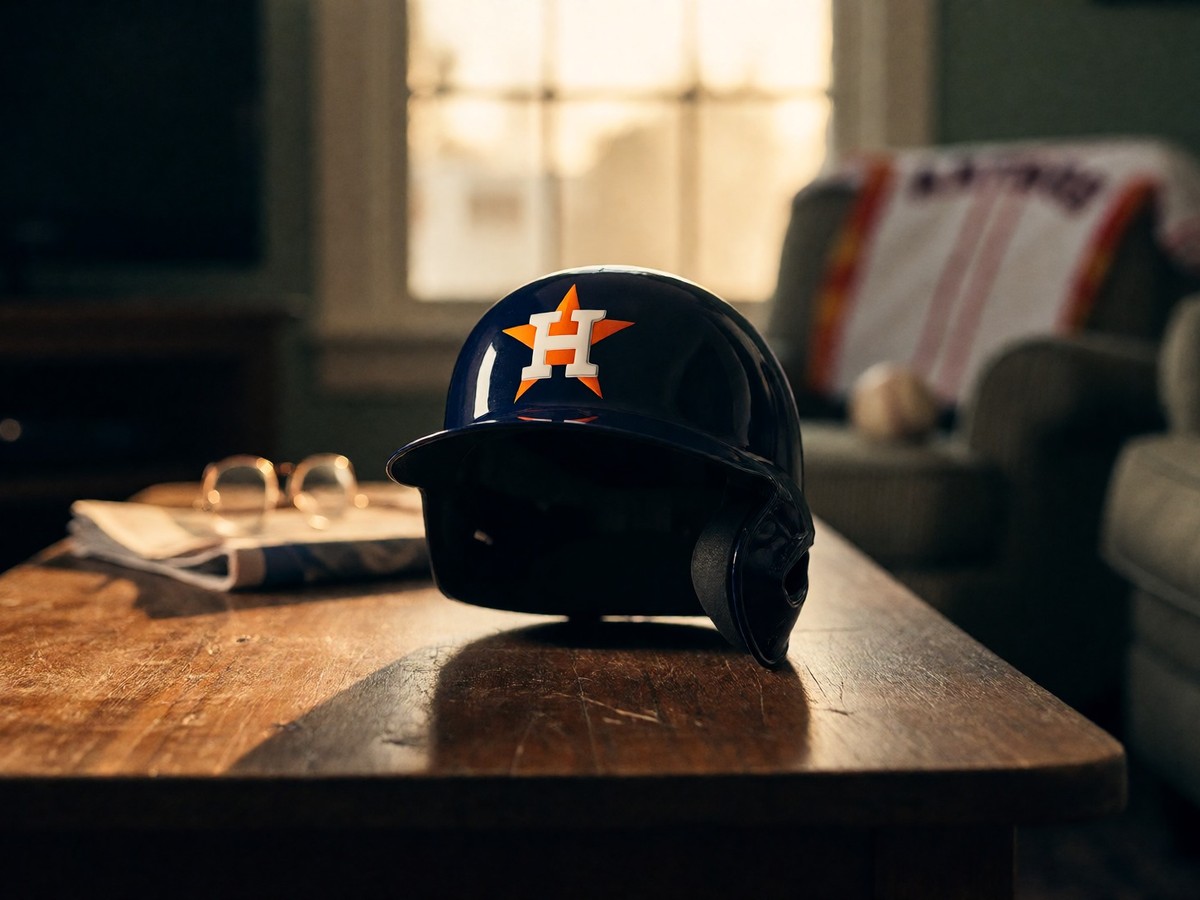
The Houston Astros finished the 2026 season with an 81-81 record, tying for the division lead while their owner Jim Crane remained "wary" of exceeding the luxury tax threshold. This caution stems from a payroll projection that sits just $25 million below the first-tier limit of $244 million. The team’s current standing at $218.9 million reflects aggressive cost-cutting measures taken during the offseason to preserve financial flexibility. By design, this approach aims to avoid the steep penalties associated with repeat offenses under Major League Baseball’s competitive balance rules.
Managing the Payroll Gap
Crane’s strategy relies on trimming net costs through targeted roster moves and non-tenders. The organization removed Ramon Urias and traded Mauricio Dubon for Nick Allen, which shaved $8.7 million off the projected total. Further reductions are possible if the club declines to tender contracts to Jesus Sanchez, Enyel De Los Santos, and Taylor Trammell, actions that would cut another $7.15 million. These savings create essential room for acquiring rotation help, a need made acute by Framber Valdez’s departure as a free agent. Hunter Brown leads a staff where Cristian Javier returns from Tommy John surgery and Lance McCullers Jr. struggled after a two-year absence. The front office also signed Ryan Weiss to a one-year deal worth $2.6 million, a move that underscores the tight budget constraints. With only Yordan Alvarez and rookie Zach Cole providing left-handed power in the lineup, adding a bat will further compress the available space. The farm system, widely regarded as bottom-five, limits trade capital, making every dollar count.
| Luxury Tax Level | 2026 Threshold |
|---|---|
| Base threshold | $244 million |
| First surcharge threshold | $264 million |
| Second surcharge threshold | $284 million |
| Third surcharge threshold | $304 million |
GM Dana Brown has downplayed moving Christian Walker, who is owed $40 million through 2027, and stated he has "no interest" in trading Isaac Paredes. This rigidity leaves the team with limited spending power despite a clear need for starting pitching depth. The current structure forces Houston to choose between immediate wins and long-term financial safety, a dilemma that defines their approach.
The Broader Financial Context
The league-wide economic disparity makes Houston’s careful budgeting even more striking against the backdrop of other franchises. The Los Angeles Dodgers operated with a reported payroll of $415.2 million, significantly higher than any other team. Their luxury tax bill alone exceeded the entire payroll of sixteen different clubs, illustrating the extreme gap between top spenders and mid-market teams. While MLB proposed a new salary minimum of $100 million and a lower tax threshold of $180 million in recent negotiations, the current system still allows massive spending without a hard cap. For the Astros, staying under the $244 million line avoids the 30 percent tax rate applicable to second-time offenders. Exceeding the base threshold by $20 million or less triggers that 30 percent penalty, while larger overages face rates up to 80 percent. The Dodgers’ ability to absorb such costs contrasts sharply with Houston’s need to maintain wiggle-room for in-season dealings. Whether the current model adequately balances competitive integrity with financial freedom remains an open question for the league. The Astros’ decision to prioritize payroll discipline over maximum acquisition suggests they value long-term stability over short-term risk.