The 2012 AL West sprint
The 2012 Oakland Athletics clinched the AL West division title after a surprising season fueled by 15 clutch walk-off victories. Billy Beane utilized advanced metrics and undervalued talent to build a roster that defied low payroll expectations and division standings.
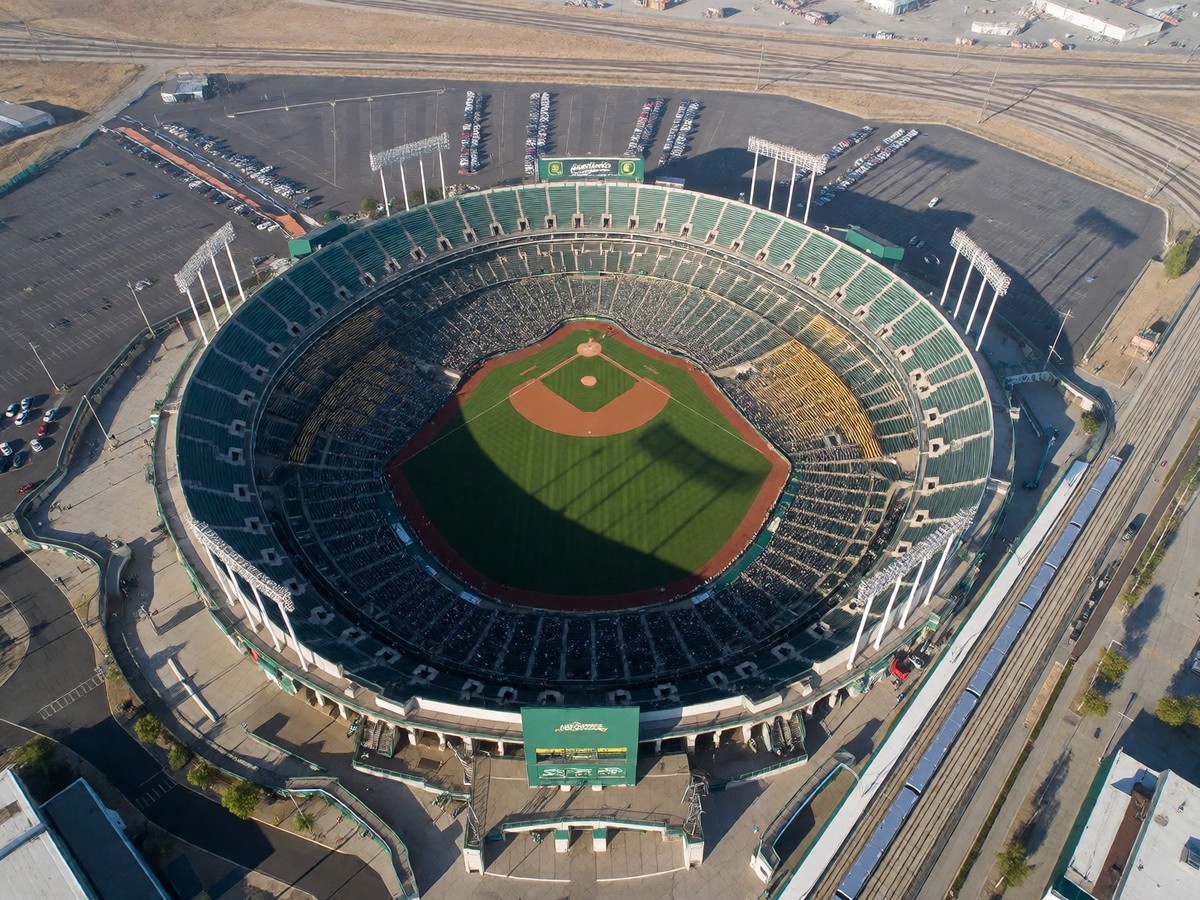
The 2012 Oakland Athletics clinched the AL West division title on the final day of the season. I view the 2012 squad as a collection of breakouts that defied low expectations. They recorded 15 walk-off victories, which included one during the postseason. The team went 19-5 in July and 18-10 in August. On August 31, 2012, the team scored 20 runs against the Boston Red Sox. While the 2012 Oakland Athletics entered the year as a popular pick to finish last in their division, they instead shocked the baseball world by winning the AL West through 15 clutch, walk-off victories. The roster surrendered a season-high 12 runs to the Detroit Tigers on September 18, 2012. In September, the team went 17-11. The team achieved 50 wins at home and 44 wins on the road.
| 2012 Athletics Split | Value |
|---|---|
| July Wins | 19 |
| August Wins | 18 |
| September Wins | 17 |
| Home Wins | 50 |
| Road Wins | 44 |
Managing the roster with analytics
Billy Beane built his rosters using advanced metrics like on-base percentage and slugging percentage. He focused on finding undervalued talent to compensate for low payrolls. In 2012, only 15% of the 1,440 regular season starts for non-pitchers came from players drafted by the Athletics. Jemile Weeks earned 112 starts, while Kurt Suzuki recorded 72 starts, and Cliff Pennington and Anthony Recker combined for 36 starts. You already know Beane prioritizes high on-base percentage over traditional metrics like batting average. The 2012 team ranked 13th in on-base plus slugging percentage at .681, and in the American League, they ranked last in batting average against lefties at .239. He used the PETCO database to compare players across leagues, including minor-league stats and international data. The team traded All-Star catcher Derek Norris to the San Diego Padres for players like Jesse Hahn, even though Norris hit .271 with a .360 on-base percentage and .403 slugging percentage before the trade. Beane also signed Billy Butler to a three-year, $30 million contract to add right-handed power. Kurt Suzuki previously held a salary of $5,000,000 before his departure to the Washington Nationals. Beane managed a 2002 team that won 103 games despite having the 30th largest payroll in the league. Beane often acquires players whose organizations do not appreciate their skills, and he extracts minor league players like Stephen Vogt. He avoids calling players lottery tickets, instead describing them as players whose performance remains less risky than scouts suggest. In 2014, Beane traded five All-Stars, including Josh Donaldson and Brandon Moss.
Modern playoff structures
The 2026 MLB postseason format employs 12 teams per league, including three division winners and three wild card teams. The two division winners with the best records receive byes to the Division Series. The third-place division winner and three wild card teams play in the Wild Card Round. This format differs from the 2012 system, which used a single wild card game. Tie-breakers for the 2026 season rely on head-to-head records and intra-division records. The tie-breaker criteria include head-to-head record, intra-division record, inter-division record, and the record in the last half of intra-league games. If these methods fail, the league uses inter-division records and records from the last half of intra-league games. The 2020 season saw an expansion to a 16-team format, which used best-of-three games for the first round. During that season, the top seed played the eighth seed, the second seed played the seventh seed, the third seed played the sixth seed, and the fourth seed played the fifth seed. The 2022 rules also eliminated the game 163 tie-breaker, a method that previously decided postseason eligibility through a single extra game. In the current system, the 1 seed plays the 4/5 winner, while the 2 seed plays the 3/6 winner. The 3rd place division winner plays the 6th seed wild card. The 4th place wild card plays the 5th seed wild card. How will teams reconcile these complex tie-breaker rules with the demand for decisive postseason results?