Benteke Scoring Drought and D.C. United Playoff Risks
Christian Benteke has recorded zero goals in the November playoffs, exposing a tactical vacuum after Taxi Fountas departed midseason. Strict MLS designated player salary rules limit D.C. United's ability to sign a replacement, forcing reliance on a striker who lacks midfield support.
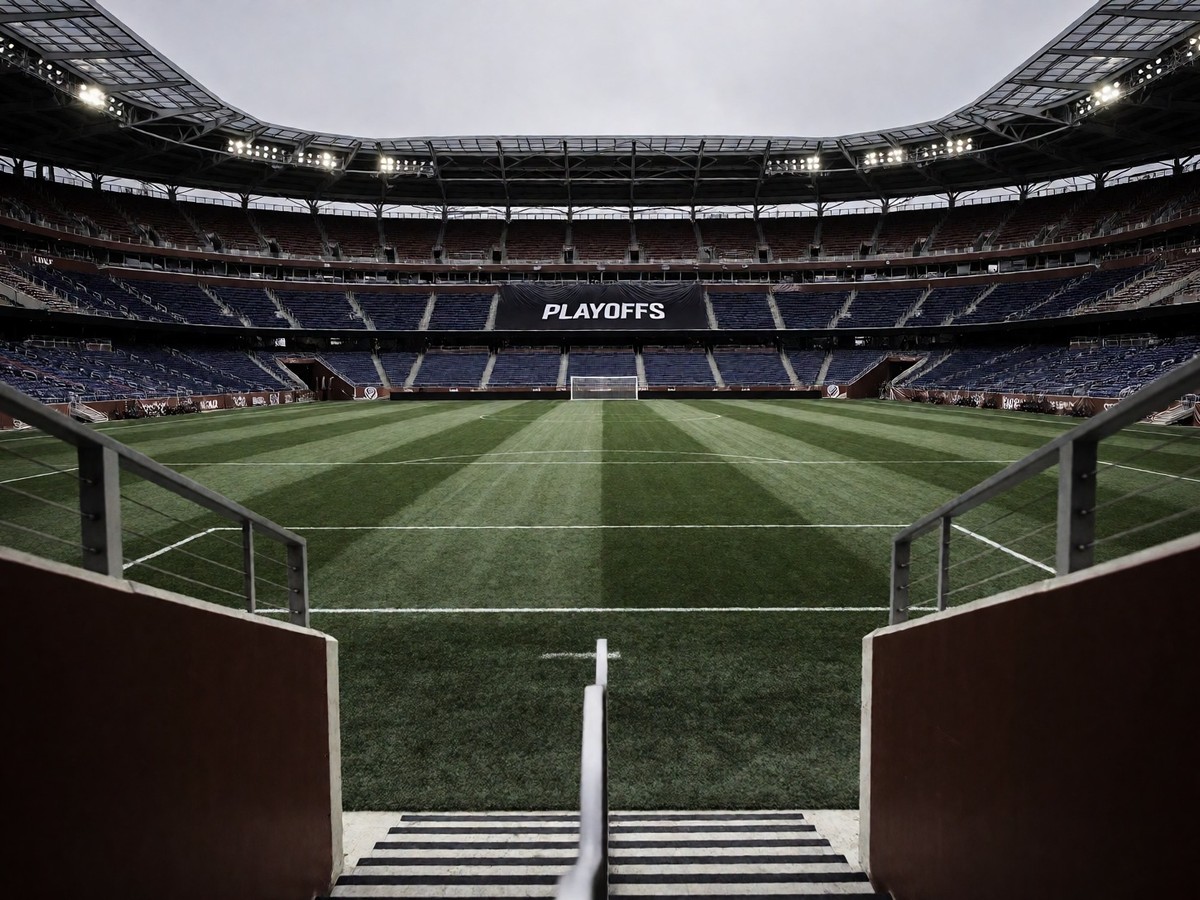
D.C. United faces a critical tactical vacuum as Christian Benteke enters the November playoffs without a single goal, a statistical anomaly that exposes the fragility of their current attacking structure. The absence of Taxi Fountas, who departed midseason, has left the squad without a primary link between midfield and forward, forcing Benteke to operate in isolation against high-pressing defenses. This specific scoring drought is not merely a matter of bad luck; it reflects a deeper structural failure in how the team generates chances for its center forward. With the season now at its peak intensity, the pressure on Benteke to produce results is immense, yet the supporting cast lacks the creativity to unlock tight defensive blocks. I view this situation as a clear indicator that the coaching staff’s reliance on a single aerial threat is no longer viable in the modern game. The risk here is not just about missing goals but about the psychological toll on a striker who cannot find rhythm, leading to a potential collapse in confidence during crucial knockout matches.
The financial implications of this sporting crisis are compounded by the strict enforcement of MLS designated player salary rules, which limits D.C. United’s ability to sign a high-profile replacement before the window closes. The league’s "designated player" mechanism allows clubs to exceed the salary cap for specific players, but recent regulatory changes have tightened the criteria for what constitutes a valid target, effectively freezing out teams with limited budget flexibility. D.C. United’s current roster construction leaves little room for maneuver, as any attempt to sign a new attacker would require releasing existing contracts or accepting a significant drop in squad depth elsewhere. This creates a paradox where the team needs offensive firepower most but has the least financial capacity to acquire it. The midseason departure of Fountas also disrupted the chemical balance of the squad, leaving Benteke without his usual partner in pressuring the opposition’s backline.
| Factor | Impact on D.C. United |
|---|---|
| Benteke Scoring Drought | Zero goals in November playoffs |
| Fountas Departure | Loss of central creative link |
| DP Rule Enforcement | Limited budget for new signings |
| Tactical Isolation | Striker lacks service from midfield |
I ask whether the front office will gamble on a late-window signing despite the financial constraints, a decision that could define the remainder of the season. The answer remains uncertain, but the data suggests that relying solely on Benteke’s individual brilliance is a high-risk strategy that ignores the systemic issues within the team’s playmaking engine. The lack of movement in the transfer market indicates that the club is stuck in a reactive mode, responding to problems rather than solving them proactively. This passivity is dangerous in a league where momentum can shift rapidly based on a single match result.
The technical execution of Benteke’s role has suffered because he receives fewer crosses and through balls than in previous seasons, a direct consequence of the midfield’s inability to penetrate final thirds. Without Fountas providing those final passes, Benteke must create space himself, a task that becomes increasingly difficult against organized defensive units. The enforcement of the new salary rules means that any potential reinforcement must fit within a narrow financial band, limiting the quality of available options. I believe the club should prioritize internal adjustments over external acquisitions, focusing on improving the delivery accuracy of their wingers and fullbacks. However, the current trajectory suggests that management may continue to rely on Benteke to solve a problem that requires a collective solution. The stakes are high, and the margin for error is slim, making every training session and tactical drill critical in the coming weeks.