2015 Warriors Preseason Revolution and 2026 Veteran Rest Policy
The 2015 Golden State Warriors started with a 16-0 record, while the 2026 NBA uses a $3.88 million veteran minimum subsidy to manage aging stars. This financial structure contrasts with the 2015 squad's youth-driven dominance and impacts roster construction.
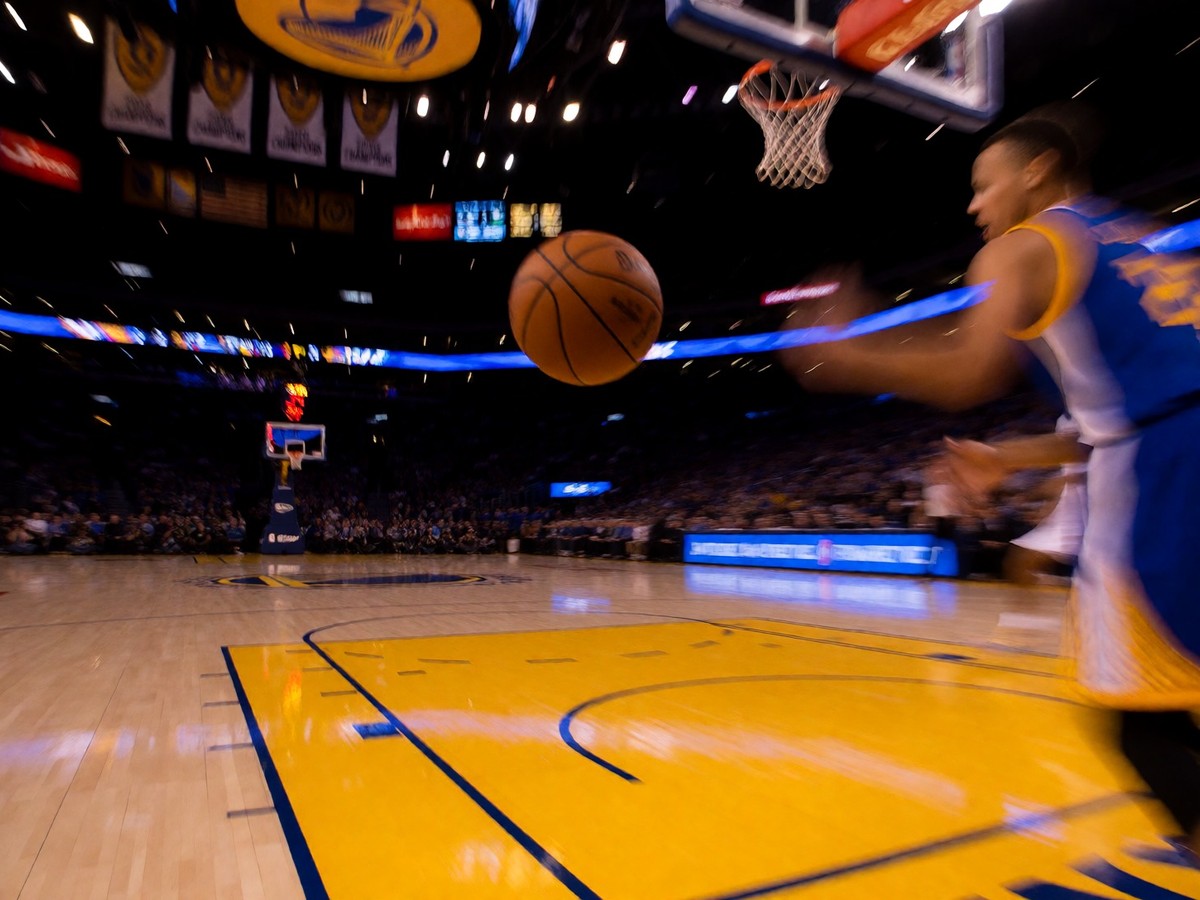
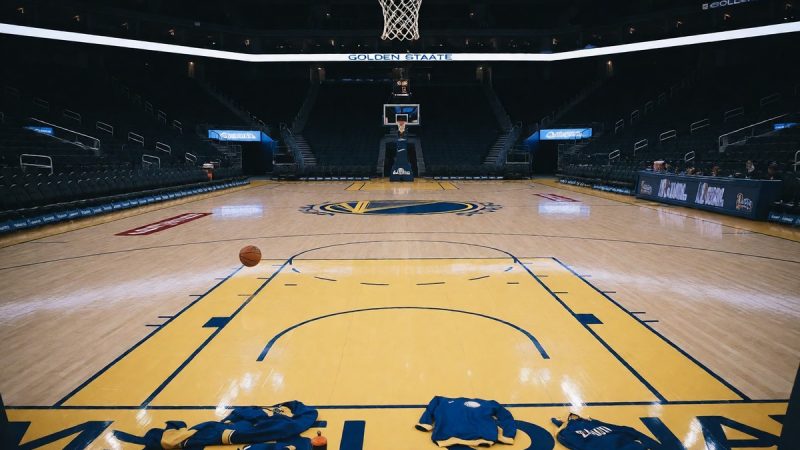
The Golden State Warriors began their historic 2015-16 campaign with a 111-95 victory over the New Orleans Pelicans, a game where Stephen Curry scored 40 points. Assistant coach Luke Walton led the team in Steve Kerr’s absence due to a back injury that would not heal before the regular season opener. Before this debut, the franchise revealed its first title banner in 40 years and held a ceremony for the championship rings of the 2014-15 champions. Every player on the roster attended except for David Lee, who had been traded away during the offseason. This early momentum allowed the Warriors to surpass the 1961-62 Boston Celtics by winning their first four games by a combined margin of 100 points. By November 24, they became the first team in NBA history to start a season with a 16-0 record, beating the Lakers 111-77.
Financial Subsidies and Veteran Rest
The current landscape for veteran players involves complex financial mechanisms that differ significantly from the pure performance metrics of 2015. Under the 2026-27 salary cap structure, a ten-year veteran signing a minimum contract earns $3.88 million, while the team pays only about $2.1 million because the league reimburses the difference. This subsidy keeps veterans employed without burdening team cap space, as the player’s cap hit is limited to the two-year minimum of $1.69 million. LeBron James explicitly ruled out accepting this minimum deal for his 2026 free agency, citing a $52.6 million salary that makes a $3.88 million check financially illogical. His decision highlights how elite production at age 42 still commands fair market value rather than relying on league subsidies.
| Experience | Minimum Salary | Take-Home |
|---|---|---|
| Rookie | $1.36M | ~$72,000/mo |
| 10+ Years | $3.88M | ~$206,000/mo |
The tax implications further complicate these decisions, as a California-based team takes 13.3% state tax compared to Florida’s 0%, creating a $516,000 annual difference for the same gross pay. Players often sign where offers exist rather than optimizing for lower tax jurisdictions, a constraint that limits their financial leverage. This system ensures that journeymen can stay in the league even when their playing time diminishes, but it also creates a disparity where rookies earn roughly $1.36 million while veterans earn nearly triple that amount. The "veteran rest policy" effectively operates through these minimum contracts, allowing teams to retain experienced bodies without significant cap penalties. However, the reality remains that most minimum-salary veterans lack the negotiating power to choose their ideal location or role.
Historical Dominance and Modern Context
The 2015-16 season saw the Warriors break multiple records, including the longest winning streak to start a season with 24 wins before losing to the Milwaukee Bucks. They finished the calendar year with a 72-12 record between two seasons, the second-best winning percentage in NBA history. Draymond Green recorded a five-by-five game against the Boston Celtics, a feat achieved by only three different players since 1983-84. Stephen Curry broke his own single-season three-point record by making his 287th and 288th threes in a win over the Oklahoma City Thunder. The team became the first to score 1,000 three-pointers in a single season during a 136-111 win against the Portland Trail Blazers.
This era of dominance contrasts sharply with the current focus on financial sustainability for aging stars. While the 2015-16 squad relied on youth and explosive scoring, today’s league manages veteran longevity through structured subsidies and strict cap rules. The question of whether such financial engineering preserves competitive balance or merely extends careers artificially remains unanswered. For now, the numbers show that the league prioritizes keeping experienced players on the floor, even if their statistical output no longer matches their historical peak. The Warriors’ legacy from that revolutionary season stands as a benchmark for what pure talent can achieve before financial constraints begin to dictate roster construction.