Common mistakes with Lindy Ruff’s Sabres defensive zone coverage
Buffalo Sabres defensive depth issues emerged after a loss to Pittsburgh, with Michael Kesselring on ice for three goals. Over-reliance on top-four defensemen causes fatigue, while passive neutral zone play limits Tage Thompson's 59-point season.
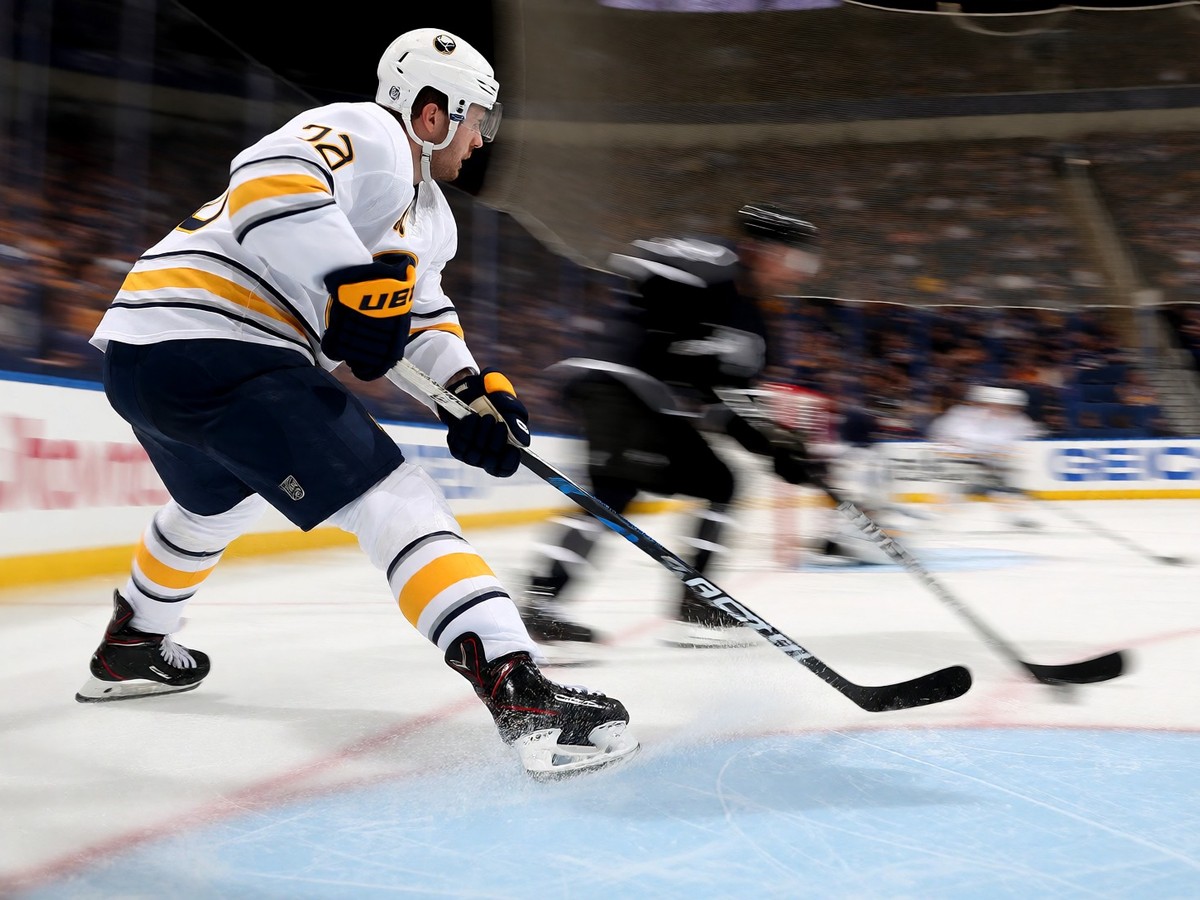
Lindy Ruff’s Buffalo Sabres recently cooled off after winning 20 of their previous 24 games, suffering three defeats in the last four contests. The loss to the Pittsburgh Penguins exposed a glaring problem: defensive depth. Michael Kesselring was on the ice for three of Pittsburgh’s four even-strength goals, while Jacob Bryson played only 4:19 minutes before getting essentially stapled to the bench. Ruff admitted the pair had a tough night and that the team failed to make opponents pay for mistakes. The bottom of the lineup has struggled mightily, forcing Ruff to rely heavily on his top-four defensemen. This over-reliance has created fatigue and opened up critical gaps in the system.
The Depth Crisis and Fatigue
The third defensive pairing has become a worrisome issue as injuries sideline key players like Conor Timmins. Kesselring has battled injuries since training camp and never looked like the breakout star he was with the Utah Mammoth last season. Zach Metsa and Jacob Bryson have filled the void but have not been overly impressive in their minutes. Consequently, Ruff depends on Rasmus Dahlin, Owen Power, Mattias Samuelsson, and Bowen Byram to take care of business. This quartet has mostly succeeded, leading the Sabres’ surge, but they showed signs of fatigue as the Olympic break drew closer. Playing around 25 minutes per game or more is almost unavoidable when you are carrying the entire defensive load. The result is a predictable decline in sharpness during late-game situations. General Manager Jarmo Kekalainen must find more effective depth before the trade deadline on March 6. He rightfully did not tinker with success earlier in the year, but it is now clear the roster has holes. The Sabres have a playoff appearance within reach, and they cannot allow it to slip away because of front office inaction. Kekalainen needs to get aggressive once the NHL roster freeze lifts at day’s end on February 22. You know the stakes here, so watch how quickly the market responds to these specific needs.
Transition Failures and Net Front Neglect
Ruff’s postgame warnings highlight a lack of intensity in the neutral zone and offensive zone. Against Washington, the Sabres fired 30 shots but a high percentage were low-danger chances with no chaos around the crease. Ruff noted that several guys were flat, passes were missing, and lanes were ignored. The team could have turned opportunities into better ones but failed to do so. Bryson’s play on the Penguins’ first goal was about as poor as you will see from an NHL defenseman, reacting at a snail’s pace after the puck was chipped past him. This type of transition failure allows opponents to enter the offensive zone too quickly. The defensemen often drop behind the blueline before the other team has even entered, ceding the zone regularly. They hunch over with sticks outstretched, acting like making a stand-up play isn’t even allowed in hockey. This passive approach neutralizes the speed advantage that players like Tage Thompson provide. Thompson recorded 59 points across 57 appearances, putting him on pace for a 43-goal campaign, yet he struggled against teams that successfully clogged the neutral zone. The Sabres need to ensure off nights don’t become the norm heading into the stretch run. Ruff wants the team to be sharper, but the current system rewards patience over aggression. Will the new acquisitions provide the foot speed needed to fix this?